Corps of Engineers, Indian Army
The Indian Army's Sappers date their raising to 1780 at Madras and were merged into one Corps on 18 November 1932.
Vetnet Editorial
3 min read
At a glance
- Raised
- 1780 (Madras Sappers)
- Corps formed
- 18 November 1932, by merging the Madras, Bengal and Bombay Sappers
- Motto
- Sarvatra (Everywhere)
- Regimental centres
- Bangalore (Madras Sappers), Roorkee (Bengal Sappers), Kirkee (Bombay Sappers)
- Four pillars
- Combat Engineers, MES, Border Roads Organisation, Military Survey
- Training
- College of Military Engineering, Pune
- Wayanad, 2024
- 190-ft Bailey bridge at Chooralmala built by the Madras Sappers in about 33 hours
Madras 1780 and the merger of 1932
Two companies of pioneers raised at Madras in 1780 give the Corps of Engineers its official birth year. They were the beginning of the Madras Sappers, the senior group of the Corps.
The Bengal and Bombay Sappers were formed later in their own Presidencies. On 18 November 1932 the three groups were merged to form the Corps.
Each kept its identity, and each still has a regimental centre: the Madras Engineer Group at Bangalore, the Bengal Engineer Group at Roorkee and the Bombay Engineer Group at Kirkee. The Corps' members are called Sappers, although their units are known as Engineers. The motto is Sarvatra, which the Army glosses with the Latin Ubique, meaning everywhere.
Metemma 1941 and the road to Rajauri, 1948
On the night of 31 January to 1 February 1941, after the capture of Metemma in Abyssinia, Second Lieutenant Premindra Singh Bhagat of 21 Field Company, Royal Bombay Sappers and Miners, went ahead of the column to clear the road.
He led it for four days over 55 miles and cleared no fewer than 15 minefields. The Victoria Cross was gazetted in June 1941. The Army records him as the first Indian officer to win the VC in the Second World War. He later rose to Lieutenant General.
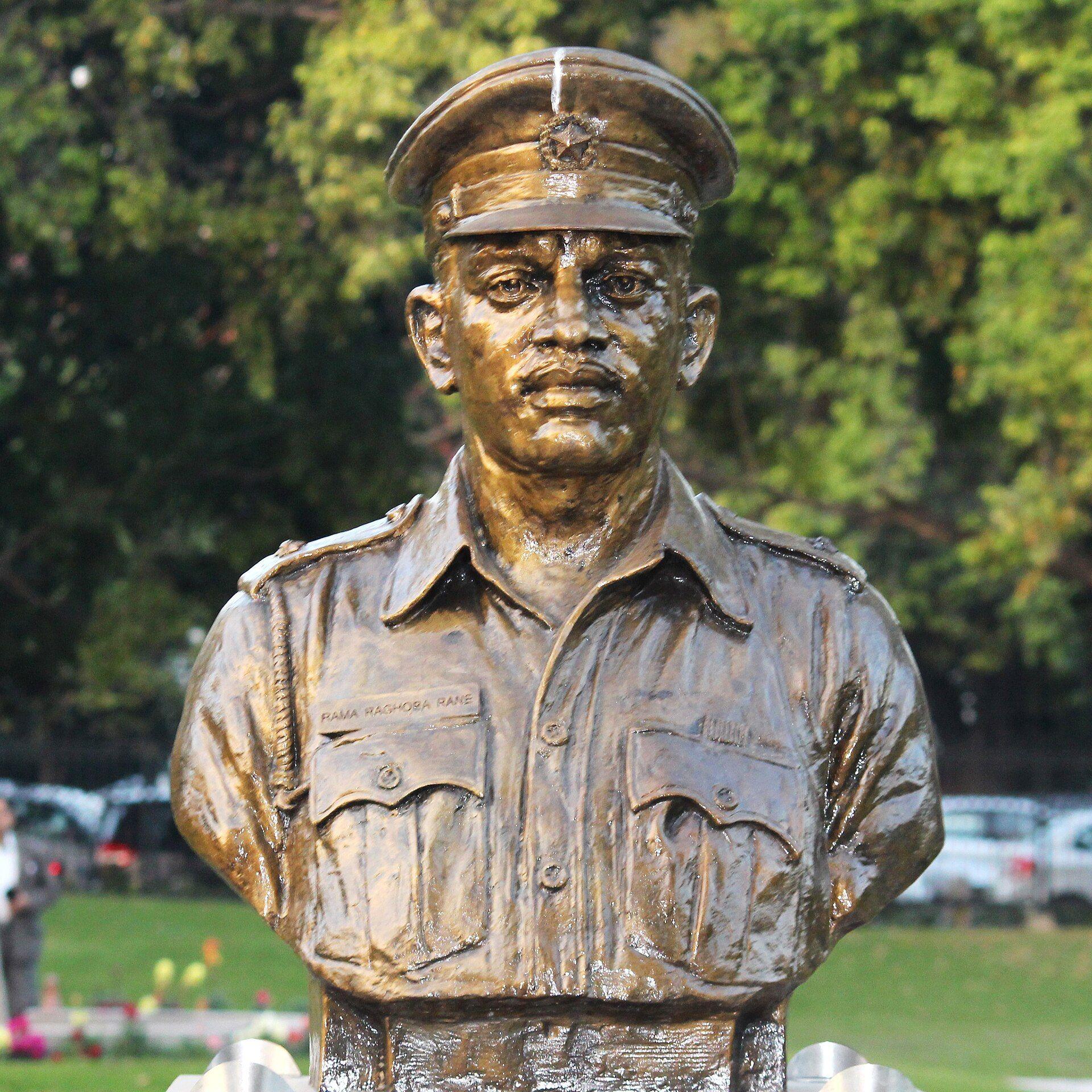
Seven years later a Sapper officer won the Param Vir Chakra. Second Lieutenant Rama Raghoba Rane of 37 Assault Field Company was decorated for action on 8 April 1948, when 4 Dogra began the advance on Rajauri. The Army's account credits him with making a passage through enemy minefields while crawling in front of a tank.
Four pillars of the modern Corps
The Corps' tasks include bridging, road construction, laying and clearing minefields, and handling explosives. Its official description names four pillars: Combat Engineers, the Military Engineer Services, the Border Roads Organisation and Military Survey.
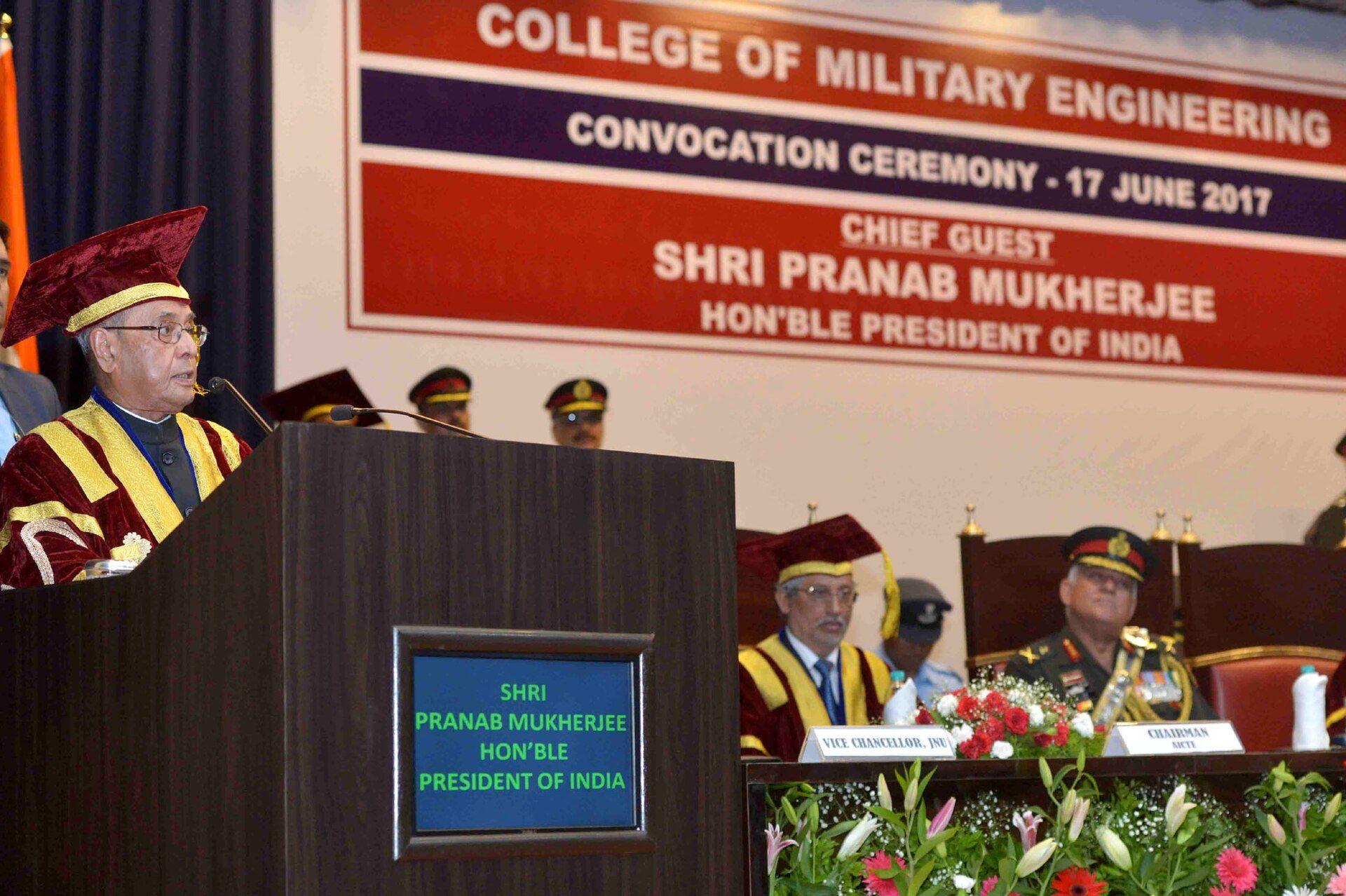
The College of Military Engineering at Pune is its principal training institution.
Corps Day falls on 18 November and is numbered from 1780. That date in 2023 was marked as the 243rd Engineers Corps Day.
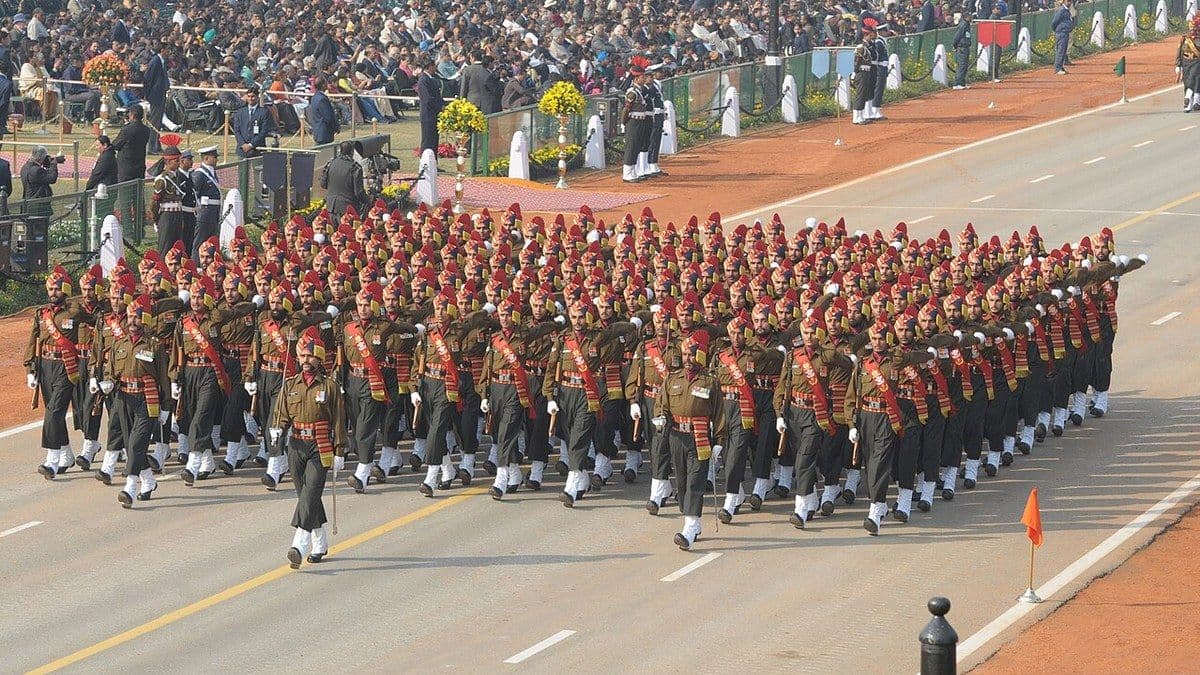
Cover image: Ministry of Defence (India), GODL-India, via Wikimedia Commons. Resized for this page. https://commons.wikimedia.org/wiki/File:Bengal_Engineer_Group_marching_contingent_passes_through_the_Rajpath_during_the_63rd_Republic_Day_Parade-2012,_in_New_Delhi_on_January_26,_2012.jpg
A bridge for Wayanad, 2024
On 30 July 2024, landslides in Wayanad, Kerala, destroyed the British-era bridge that linked Mundakkai and Chooralmala across the Iruvanjippuzha river. Rescuers trying to reach people stranded on both banks were working with ropes and a temporary bridge, against a strong current and heavy rain.

The Madras Engineer Group, the Madras Sappers, built a Bailey bridge in its place: a prefabricated steel truss bridge developed during the Second World War. The panels came from Bengaluru in 20 trucks, and 19 panels went into the span, supported by a single pier. Work began at about 9 am on 31 July with 144 soldiers and two officers, carried on through the night, and finished at about 6 pm on 1 August, some 33 hours later. Major Seeta Ashok Shelke of the Madras Sappers led the construction.
The finished bridge is 190 feet long and three metres wide, and can carry 24 tonnes. That let earthmovers, excavators and trucks reach Mundakkai; until then, relief supplies had moved only by jeep. The Week described it as a Class 24 Bailey bridge, to stay in place until a permanent bridge is built.
- Indian Army
- Corps of Engineers
Sources
- 242nd Corps of Engineers Day celebrated at Pune · Press Information Bureau (Ministry of Defence)
- Corps of Engineers Day 2020 · Press Information Bureau (Ministry of Defence)
- CME Pune Pays Tribute on 243rd Corps of Engineers Day with Wreath-Laying Ceremony · Punekar News
- Premindra Singh Bhagat VC PVSM · Victoria Cross Online
- Wayanad landslides: All you need to know about how the Bailey bridge was built · The News Minute
- All you need to know about Bailey bridge being used for rescue operations in Wayanad · The Week