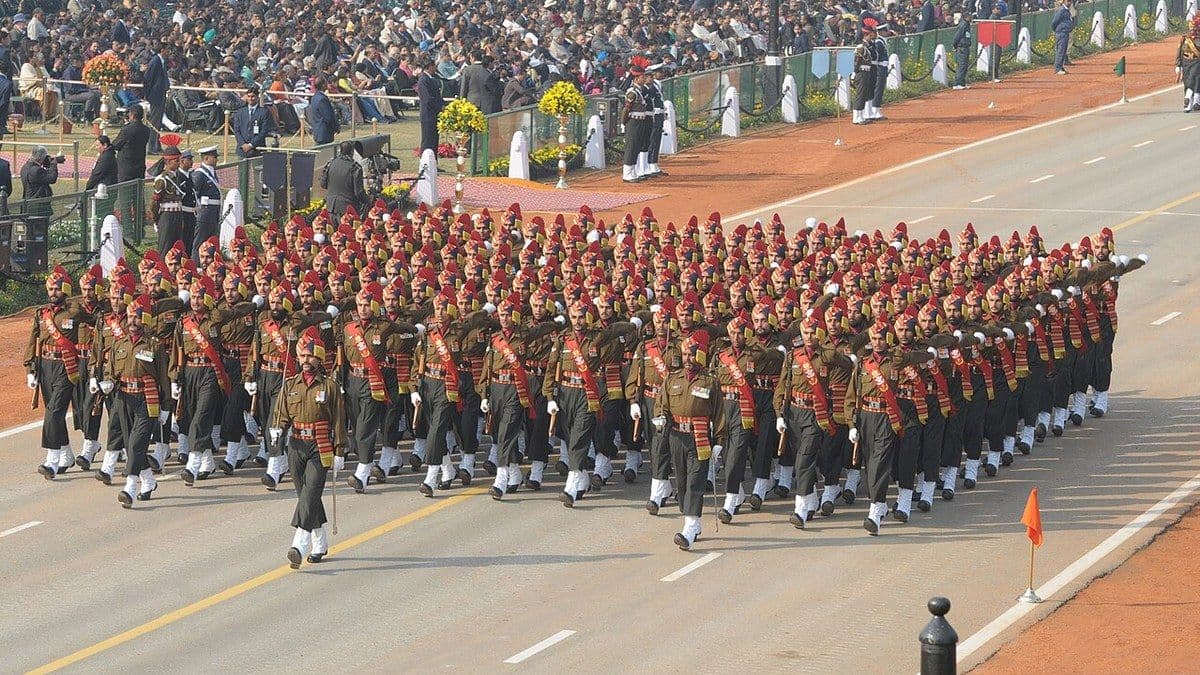
Naib Subedar Gurnam Singh, Ashoka Chakra
Naib Subedar Gurnam Singh, an Army engineer, was killed on 23 September 1973 trying to make safe a mine-clearing charge at Pune.
Vetnet Editorial
4 min read

At a glance
- Award
- Ashoka Chakra (posthumous)
- Date of action
- 23 September 1973
- Place
- College of Military Engineering, Pune
- Unit
- 108 Engineer Regiment, Corps of Engineers (Bombay Sappers)
- Service number
- JC-47692
- Born
- 18 August 1935, Bhullar village, Amritsar district
- Remembered
- 23 September is Ashoka Chakra Day at the Bombay Engineer Group and Centre
The Charge at the College of Military Engineering
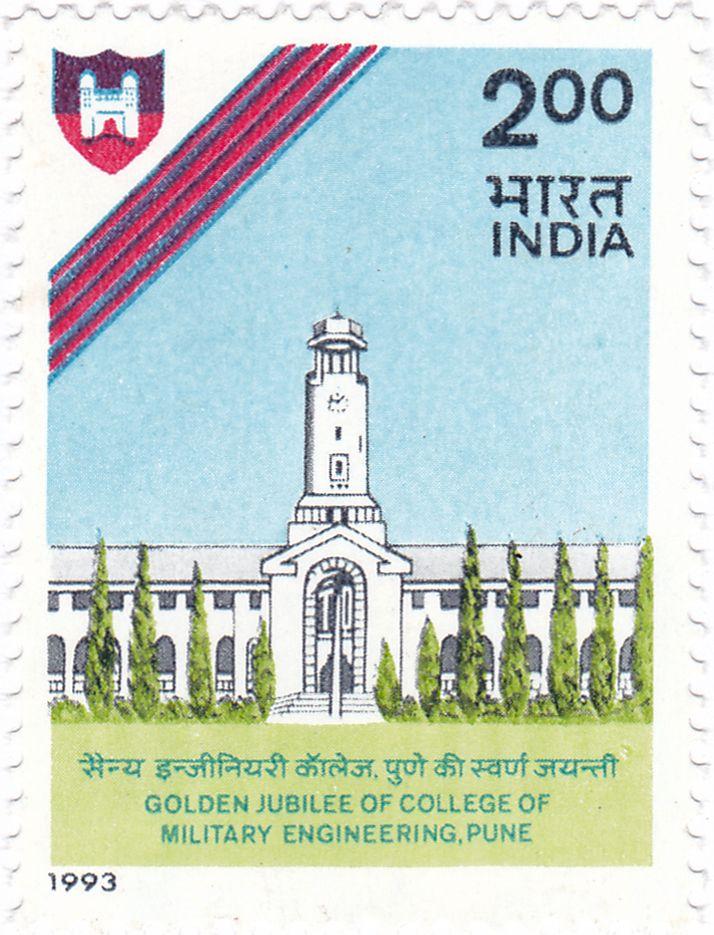
On 23 September 1973, a demonstration was under way at the College of Military Engineering, Pune, for staff and student officers of the Defence Services Staff College, Wellington. Naib Subedar Gurnam Singh was assigned to fire a Charge Line Mine Clearing explosive charge, with seven sappers assisting under his supervision.
The tail initiator of the charge fired prematurely. He ordered his men to a safe distance and stayed with it.
He then tried to uncouple the initiator by hand and make the charge safe. It exploded before he could finish, and he was killed.
Bhullar Village to Pune
The official record gives his domicile as Amritsar district, Punjab, his service number as JC-47692 and his unit as 108 Engineer Regiment. The Honourpoint memorial profile says he was born on 18 August 1935 in Bhullar village, served with the Bombay Sappers, and was posted as an instructor at the college on 5 January 1971.
The Ministry of Defence gallantry awards portal now publishes the official citation, and The Indian Express (2016) and The Times of India (2023) have also reported the events at Pune. The portal lists his unit as the Bombay Engineers Group.
The Ministry of Defence records his Ashoka Chakra as posthumous, at Republic Day 1974.
Ashoka Chakra Day at the Bombay Sappers
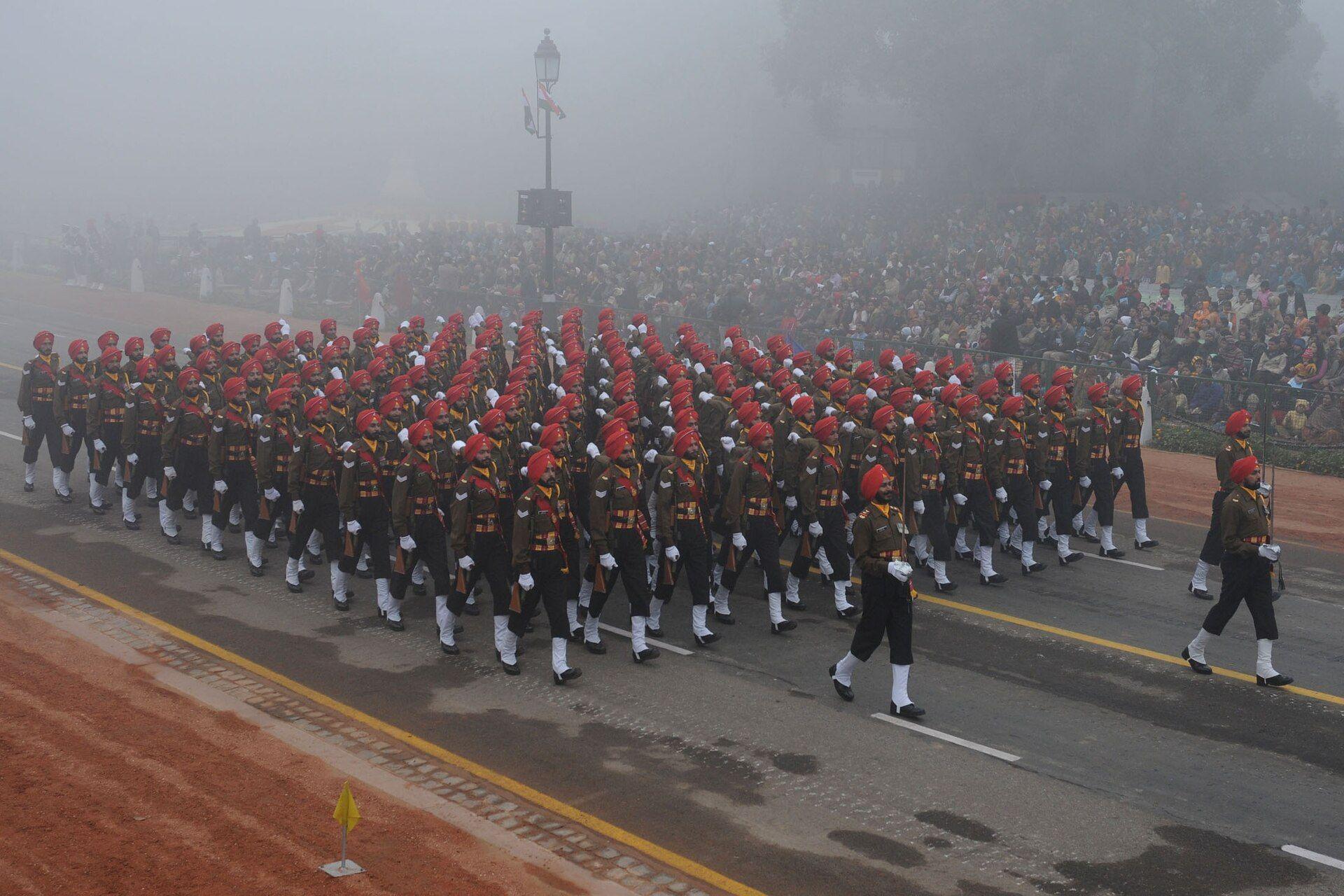
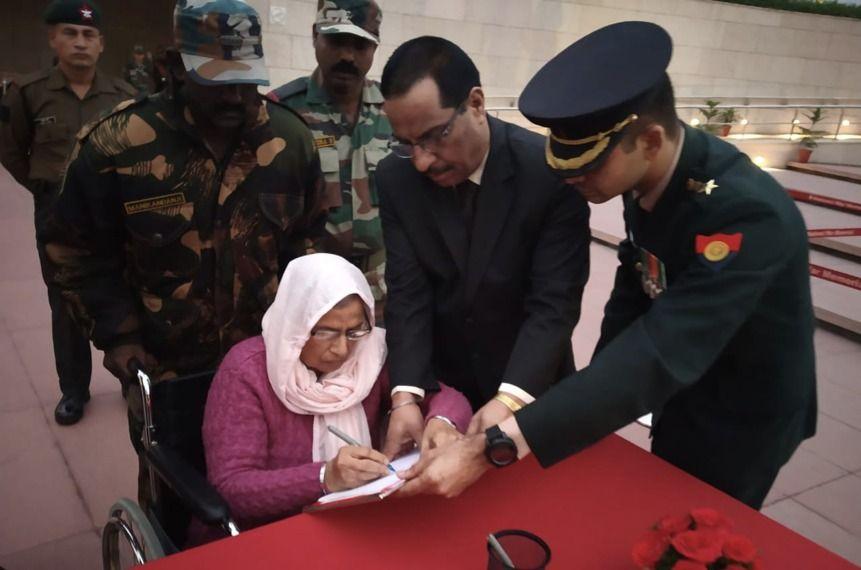
The Bombay Engineer Group and Centre, home of the Bombay Sappers, has marked 23 September as Ashoka Chakra Day in his memory since his death. On the 50th anniversary in 2023, the sappers held a 10 km run, a cyclothon and a wreath-laying ceremony at the Integrated Training Area on the College of Military Engineering campus, where the accident took place. His wife, Jagir Kaur, then 85, and three of their sons, Karamjit, Charanjit and Sarabjit, attended.
Jagir Kaur told The Times of India that she raised seven children, three sons and four daughters, after his death. Karamjit, the eldest son, later served with the Bombay Engineer Group himself and retired in 2001. He recalled that the day of the accident was a Sunday, that his mother was in the Command Hospital at the time, and that he went with her to New Delhi to receive the Ashoka Chakra on Republic Day 1974.
The centre has named a Gurnam block and a Gurnam lake, which are used to train newly recruited sappers.
What the citation recorded
In summary, the official citation, published on the Ministry of Defence gallantry awards portal, records that an initiator on a mine-clearing charge fired early during a demonstration, that Naib Subedar Gurnam Singh sent his party to safety, and that he tried by hand to uncouple the initiator before the charge exploded and killed him.
The citation in full
The citation on the Ministry of Defence gallantry awards portal reads:
On the 23rd September 1973, a demonstration was arranged by the College of Military Engineering for the visiting staff and student-officers of the Defence Services Staff College. One item of the demonstration was the actual firing of the Charge Line Mine Clearing, an explosive device for the clearing of enemy minefields, which was recently introduced in the service. Naib Subedar Gurnam Singh was detailed to fire this explosive charge under simulated battle conditions. He was assisted by a party of seven sappers in this task.
While Naib Subedar Gurnam Singh was in the process of setting up and preparing the Charge Line Mine Clearing for firing, the tail initiator of the charge got prematurely actuated. He at once realised that the entire explosive was likely to blow up within 10 seconds. Realising the danger to the lives of the men under his command, he immediately ordered them to run to a safe distance and he himself, in utter disregard of his personal safety, set upon the hazardous task of uncoupling the actuated tail initiator to render the Charge Line Mine Clearing completely safe and to ensure the safety of the equipment as also to avoid the upsetting of the proceedings of the demonstration. But unfortunately, inspite of his best efforts and determination he was not able to prevent the explosion within the few seconds at his disposal. There was an explosion and Naib Subedar Gurnam Singh was blown to pieces. Thus, in order to save the lives of the men under his command, Naib Subedar Gurnam Singh made the supreme self-sacrifice.
In this action, Naib Subedar Gurnam Singh displayed most conspicuous gallantry, leadership and devotion to duty in the highest traditions of the Army.
- Indian Army
- Ashoka Chakra
- Corps of Engineers
Sources
- Gurnam Singh, Ashoka Chakra (Posthumous): profile and citation · Gallantry Awards portal, Ministry of Defence
- Bombay Sappers' ode to Ashoka Chakra awardee Gurnam Singh (24 September 2023) · The Times of India
- Naib Subedar Gurnam Singh, AC · Honourpoint
- Remembering Naib Subedar Gurnam Singh · The Indian Express
- Gurnam Singh (soldier) · Wikipedia