Army Aviation Corps, Indian Army
How the Indian Army's aviators grew from an Air OP flight formed at Partition into a corps raised on 1 November 1986.
Vetnet Editorial
3 min read
At a glance
- Air OP origin
- 14 August 1947, from the split of RAF 659 Air OP assets
- Corps raised
- 1 November 1986
- First operation as a Corps
- Operation Pawan, Sri Lanka
- Air OP awards, 1965 and 1971
- 2 Maha Vir Chakras, 12 Vir Chakras, 4 Vayu Sena Medals
- President's Colour
- 10 October 2019, Nashik Road
- Honours and awards (2019)
- 273
- Fleet (2022)
- About 380 helicopters, including some 150 ALHs (76 Rudras)
Air OP flights after the 659 Squadron split
At midnight on 14 August 1947, the assets of the Royal Air Force's 659 Air Observation Post Squadron were divided between India and Pakistan. India's share became 1 Independent Air OP Flight, equipped with Tiger Moths and Austers. Its pilots flew in support of the artillery, spotting and directing fire.
The arm stayed small through the 1950s and 1960s. Lt Gen BS Pawar, a former head of the Corps, records four flights and one squadron, named 659 Air OP Squadron on the eve of the 1965 operations.
Those aircraft went to war unarmed. By Pawar's count, Air OP units earned 2 Maha Vir Chakras, 12 Vir Chakras and 4 Vayu Sena Medals in 1965 and 1971.
From Austers to the Chetak and Cheetah
Helicopters began replacing the fixed-wing aircraft in the late 1960s. The Alouette III and the Lama entered service under the names Chetak and Cheetah.
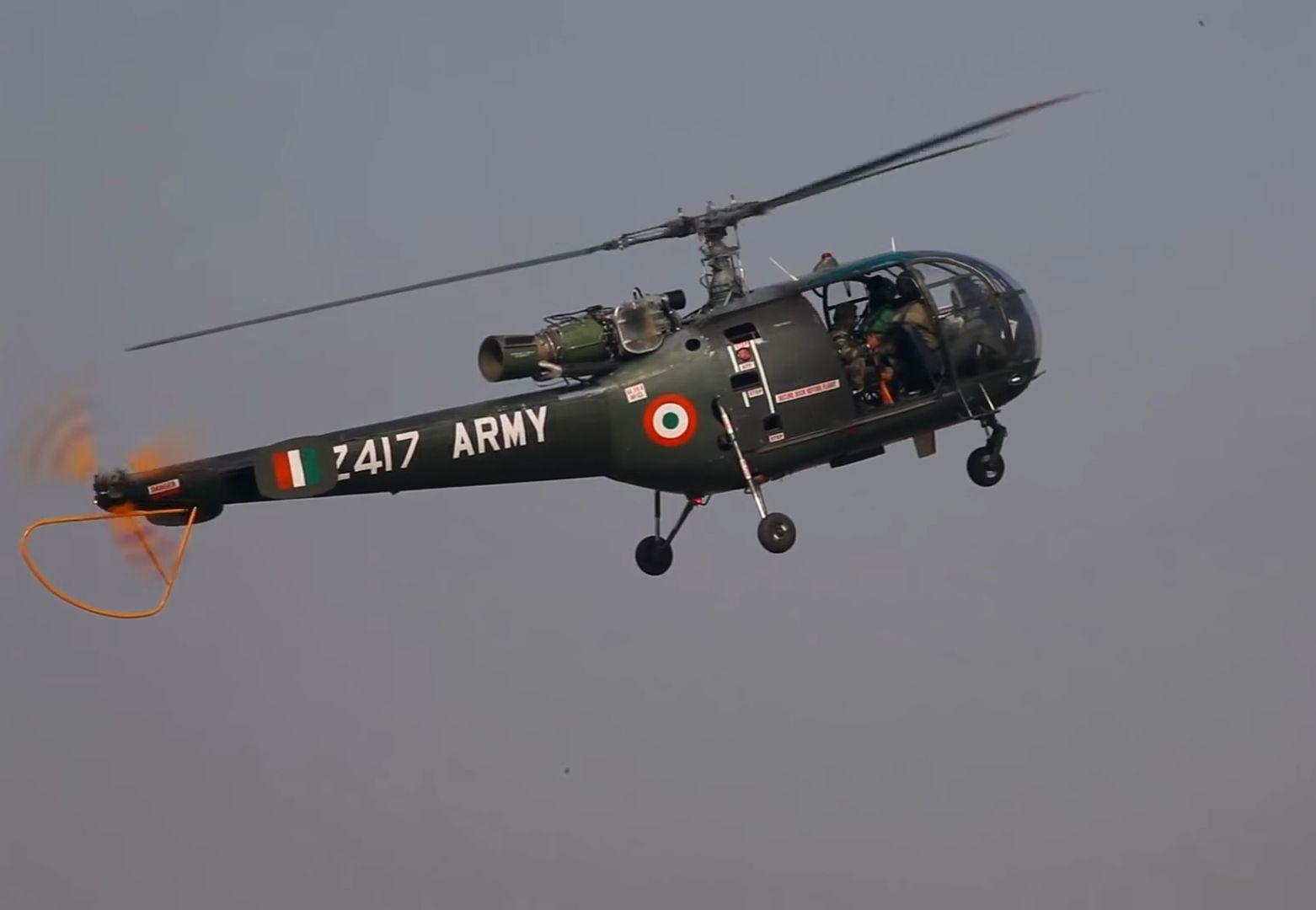
The Siachen Glacier tested the Cheetah at its limits. In a 2019 address, the President of India dated the Corps' presence there to 1984 and the launch of Operation Meghdoot, two years before the Corps itself existed. The Indian Army's own account says the Cheetah works at 20,000 feet and above, on the extreme fringe of its flight envelope.
The Corps raised on 1 November 1986
The Army Aviation Corps came into being on 1 November 1986. Pilot selection opened to all arms, and the Corps of Electrical and Mechanical Engineers took over maintenance.
Its first test followed quickly in Sri Lanka, on Operation Pawan. Cheetahs flying there in a fire support role were called Ranjits. Operation Vijay followed in Kargil in 1999, and the Army records service with United Nations missions in Somalia and the Democratic Republic of Congo.
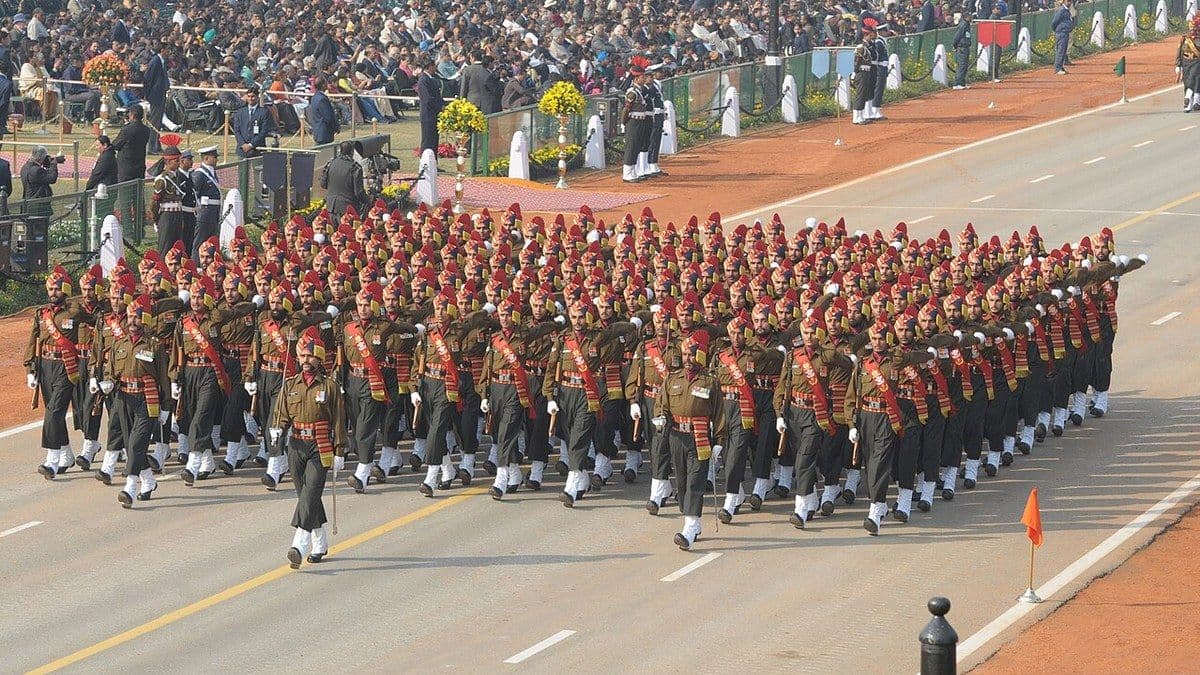
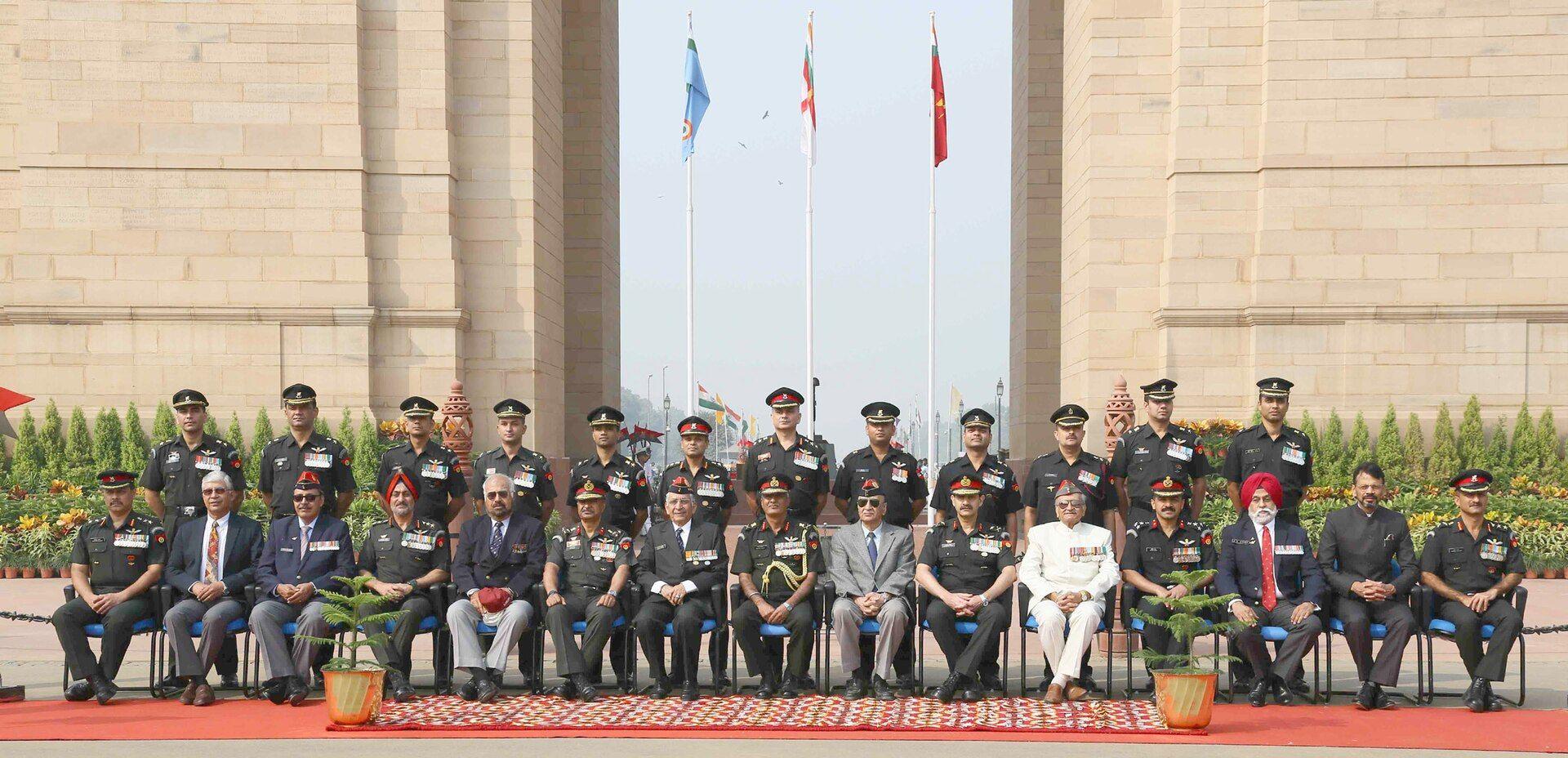
President Ram Nath Kovind presented the Colour to the Corps on 10 October 2019, at a parade at the Army Aviation Base, Nasik Road. The Combat Army Aviation Training School received it on the Corps' behalf. The President told the parade that the Corps had earned 273 honours and awards for gallantry and distinguished service.
Pawar dates the raising of the first Light Combat Helicopter unit to June 2022.
Cover image: Anirvan Shukla, CC BY-SA 3.0, via Wikimedia Commons. Resized for this page. https://commons.wikimedia.org/wiki/File:Indian_Army%27s_HAL_Cheetah_at_Leh_(1).JPG
The fleet in 2022
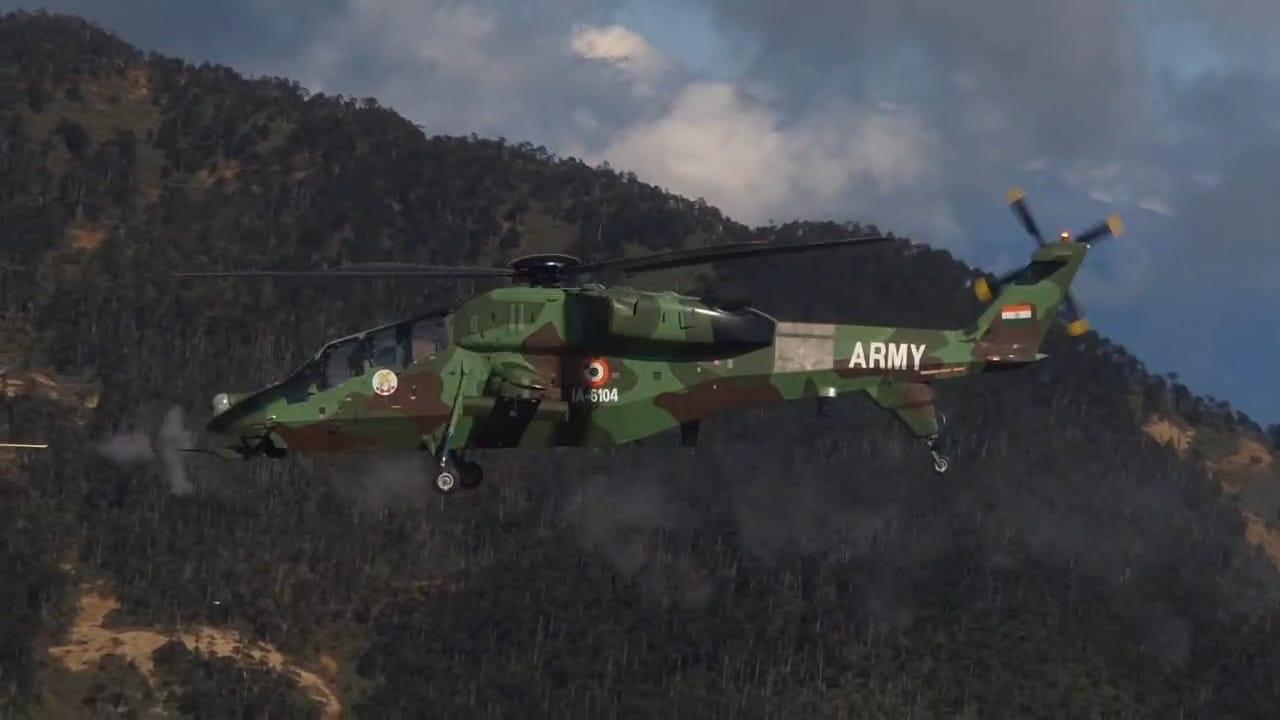
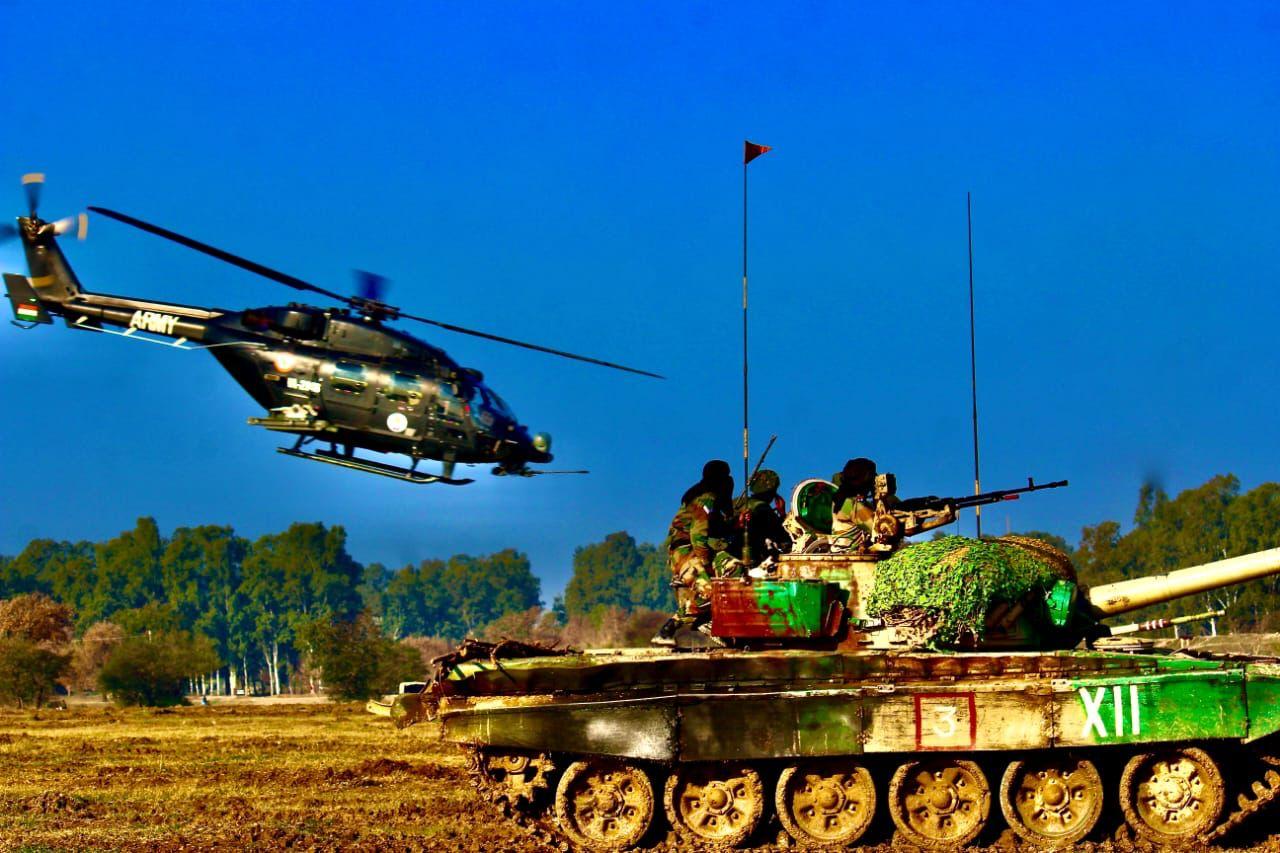
Writing for the Corps' 36th raising day in November 2022, Lt Gen Pawar put its inventory at about 380 helicopters: the Chetak, the Cheetah, the Advanced Light Helicopter (ALH), the Rudra, which is the armed ALH, and the Light Combat Helicopter. Some 150 were ALHs, 76 of them Rudras, and they were deployed in eastern Ladakh.
He counted almost 200 Chetaks and Cheetahs, types inducted in the late 1960s and 1970s, and wrote that they would reach the end of their total technical life by the end of 2023. The Cheetal, an upgraded Cheetah built by HAL, was being inducted in small numbers, 30 for the Army. The planned replacement was HAL's Light Utility Helicopter, a single-engine machine in the three-tonne class. Of 184 planned, 123 were for the Army.
The Corps had also been given command and control of the Army's unmanned aerial vehicles. Its Combat Army Aviation Training School at Nashik conducts both ab initio and advanced training of pilots.
- Indian Army
- Army Aviation
Sources
- 75 years of Air Observation Post / Army Aviation Corps (Lt Gen BS Pawar, Retd) · Aviation & Defence Universe
- Address by the President of India on the presentation of Colour to the Army Aviation Corps, Nasik, 10.10.2019 · President of India (Ram Nath Kovind archive)
- President's Colours to Army Aviation Corps presented · Deccan Herald