Longewala from the Air, 1971
Six Hunters at Jaisalmer attacked a Pakistani armoured column at Longewala on 5 December 1971. The Air Force and Army accounts still differ on the result.
Vetnet Editorial
3 min read
At a glance
- Date
- 5 December 1971
- Air base
- Jaisalmer, under Wing Commander M.S. Bawa
- Aircraft
- Four Hunter 56s and two Hunter 66s
- Air OP
- 12 AOP Flight: Capt P.S. Sangha and Maj Atma Singh, both Vir Chakra
- Enemy force
- About 45 tanks and an infantry brigade (Bawa)
- Claims for 5 December
- 20 tanks (Bawa); 21 tanks (Atma Singh)
- Pakistani message, 5 December
- 40 per cent of troops and tanks destroyed, injured or damaged (as intercepted)
Six Hunters at Jaisalmer
In the early hours of 5 December 1971, Major General R.F. Khambatta, commanding 12 Division, radioed the base commander at Jaisalmer, Wing Commander M.S. Bawa. An armoured column appeared to be heading for Ramgarh, and the post at Longewala had heard tanks through the night.
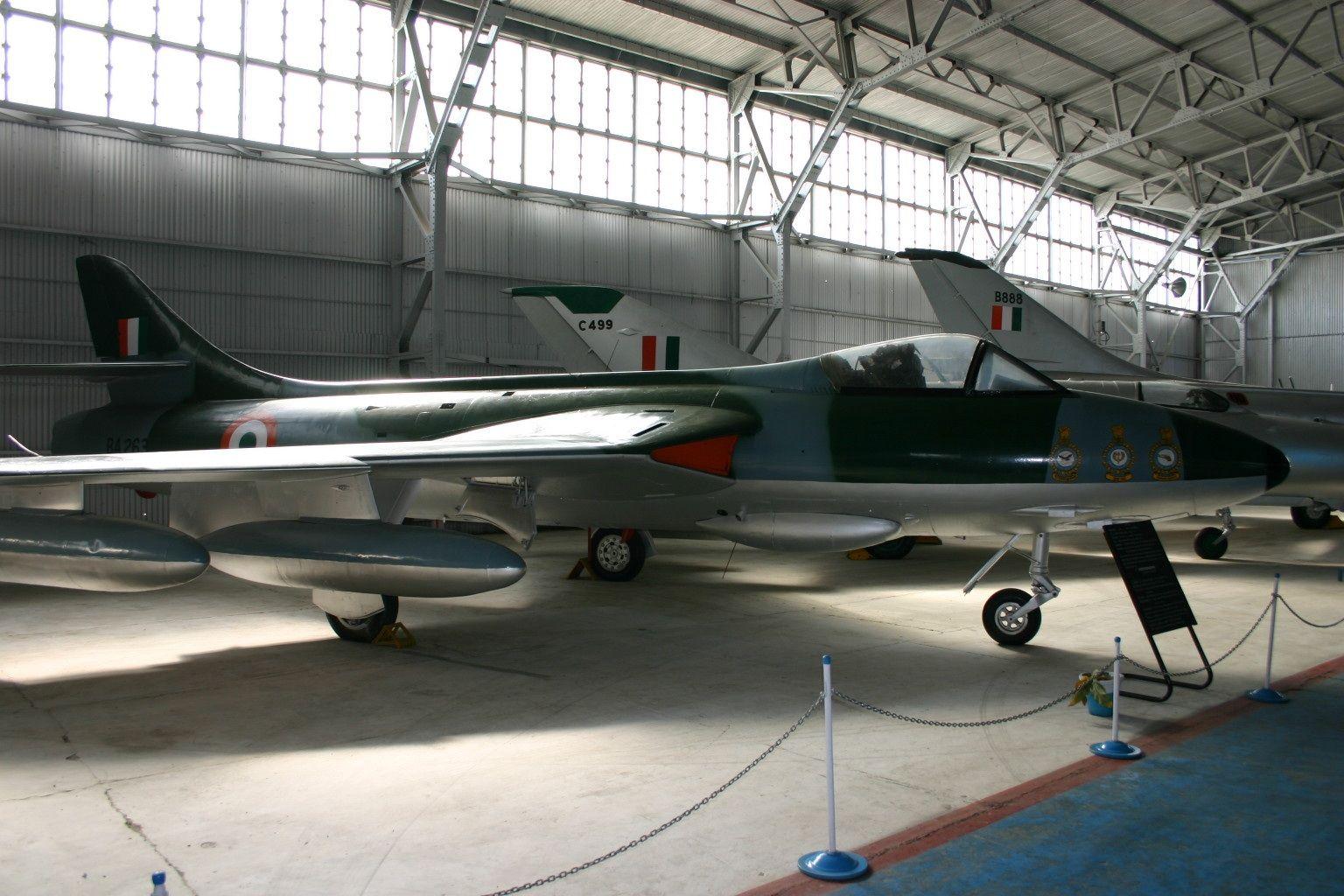
Jaisalmer then held four single-seat Hunter 56s and two two-seat Hunter 66s. Longewala was held by a company under Major Kuldip Singh Chandpuri, and the Army's 12 AOP Flight was ordered at 0400 to get airborne at first light and guide the Hunters. Captain P.S. Sangha, in an unarmed Krishak, found the column and directed four Hunter missions that day. Major Atma Singh also flew, and force-landed at the Longewala helipad.
Flight Lieutenant D.K. Dass and Flying Officer R.C. Gosain flew the first mission. By Bawa's account they claimed two tanks destroyed and five damaged. The next pair, Bali and Yadav, claimed two and six, and a later mission by Tully and Suresh three destroyed and seven disabled. Bawa wrote that tanks set ablaze were claimed as destroyed and crippled ones as damaged.
The night of 5 December and the morning after
While the Hunters were still over the column on 5 December, Indian listeners in the Longewala sector intercepted a Pakistani message. In the English translation Bawa gives, it reported that one aircraft left and another came and stayed overhead for twenty minutes, that 40 per cent of the troops and tanks had been destroyed, injured or damaged, and that without air support even a safe withdrawal would be difficult.
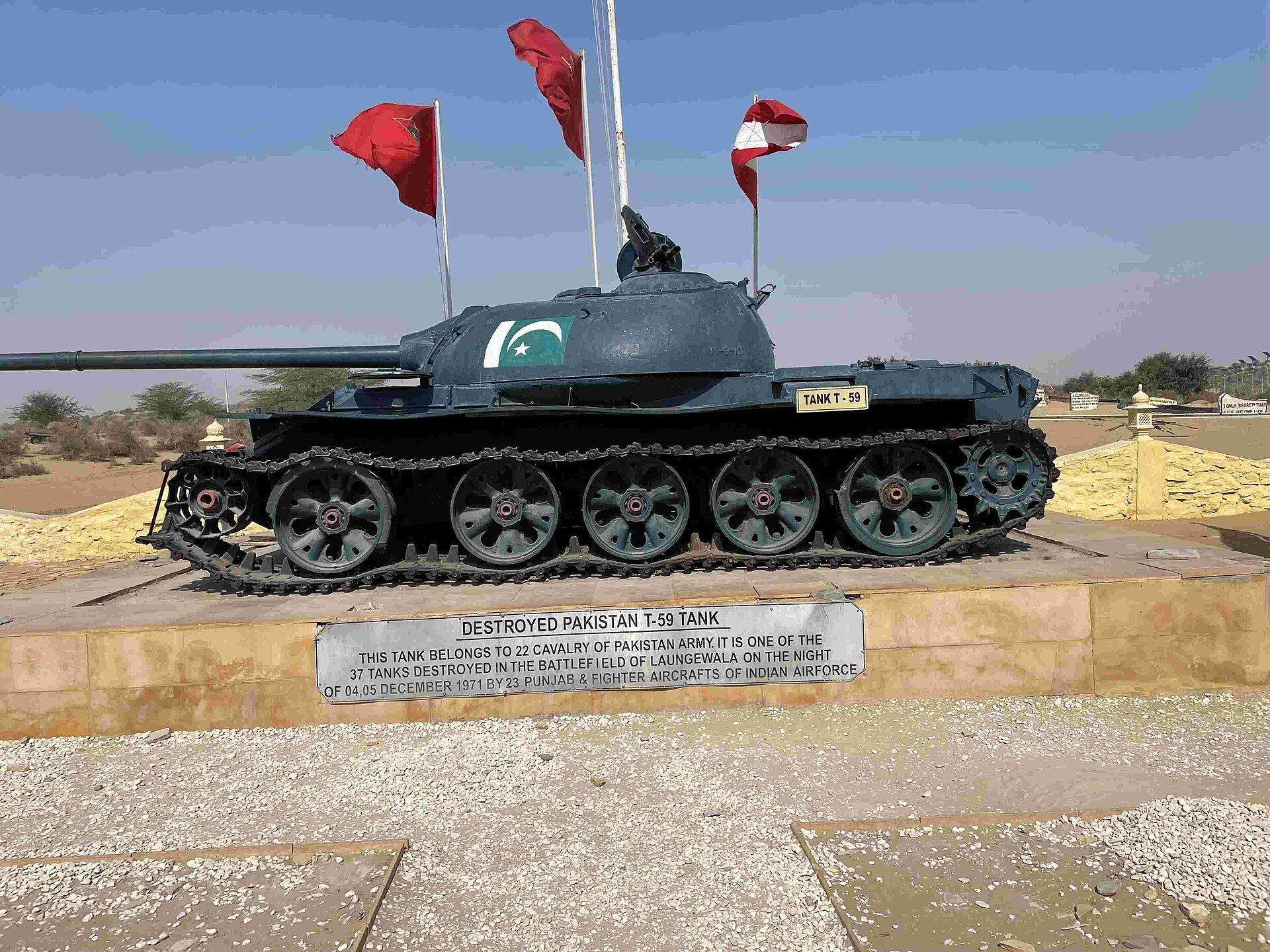
The last mission of the day found the column pulling back along the sandy track towards Ghabbar in Pakistan, and vehicles were hit all along it. That night Khambatta telephoned the base to warn that what was left of the armour, roughly a squadron of tanks, might bypass Ramgarh and make for Jaisalmer airfield. At 0437 on 6 December Major Atma Singh reported a low-level bomber raid heading for the airfield. The anti-aircraft guns opened fire and the aircraft turned away before it reached the airfield boundary.
On the morning of 6 December the first Hunter airborne checked the routes leading to Jaisalmer, especially those from the Shahgarh bulge, and found no enemy. A later reconnaissance over Sadewal, Sandh, Ghabbar and Longewala looked for a hook towards Tanot and found none. That mission destroyed vehicle concentrations near Ghabbar, which the pilots took to be the enemy's administrative echelon, and reported charred and abandoned tanks along the route from Kharo Tar to Longewala.
Whose battle it was
The totals are disputed, as is the credit. Bawa, writing in the Indian Air Force Journal in 1997, gave 20 tanks and many vehicles destroyed or damaged by the end of 5 December. He put the attacking force at about 45 tanks, of which 37 were accounted for, and held that the thrust was stopped by air action alone.
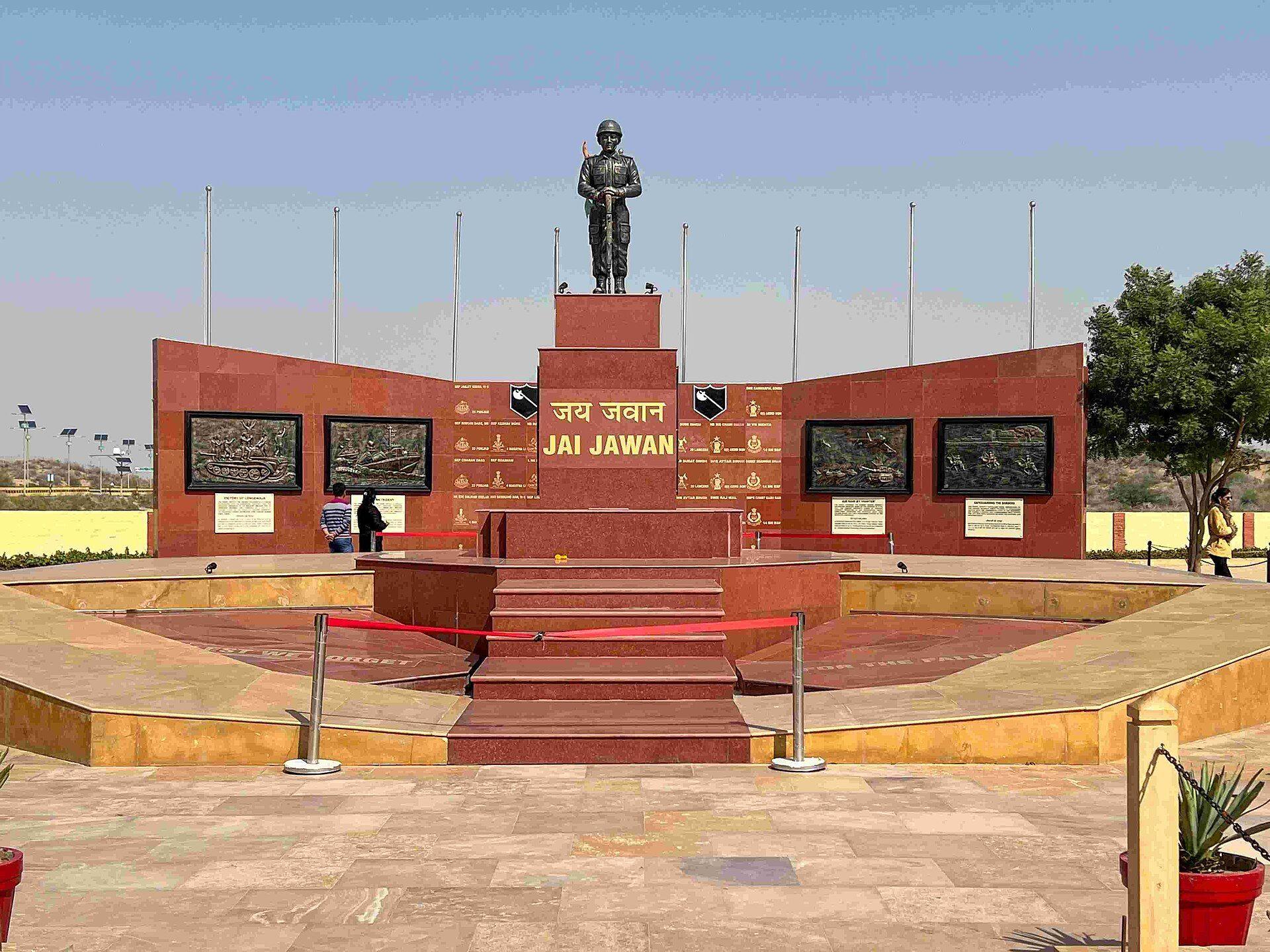
Another version gives the company at the post 12 tanks destroyed with its own anti-tank weapons before the Hunters came. The 1997 film Border followed that account, and Defence Minister A.K. Antony was given it at Longewala in 2008.
Atma Singh, later a major general, wrote a book to reject it. A review in Salute reports his count as 21 tanks destroyed from the air on 5 December, with artillery finishing the remnants after a second day of air attack.
The signal of 5 December
Sangha and Atma Singh were awarded the Vir Chakra. Bharat Rakshak's gallery of the Jaisalmer pilots also lists the Vir Chakra against Suresh, Jagbir Singh and Wing Commander D.M. Conquest. Khambatta's signal to the base at 10 pm on 5 December praised the accuracy of the pilots' shooting and credited them with destroying a number of enemy tanks. It gave no figure.
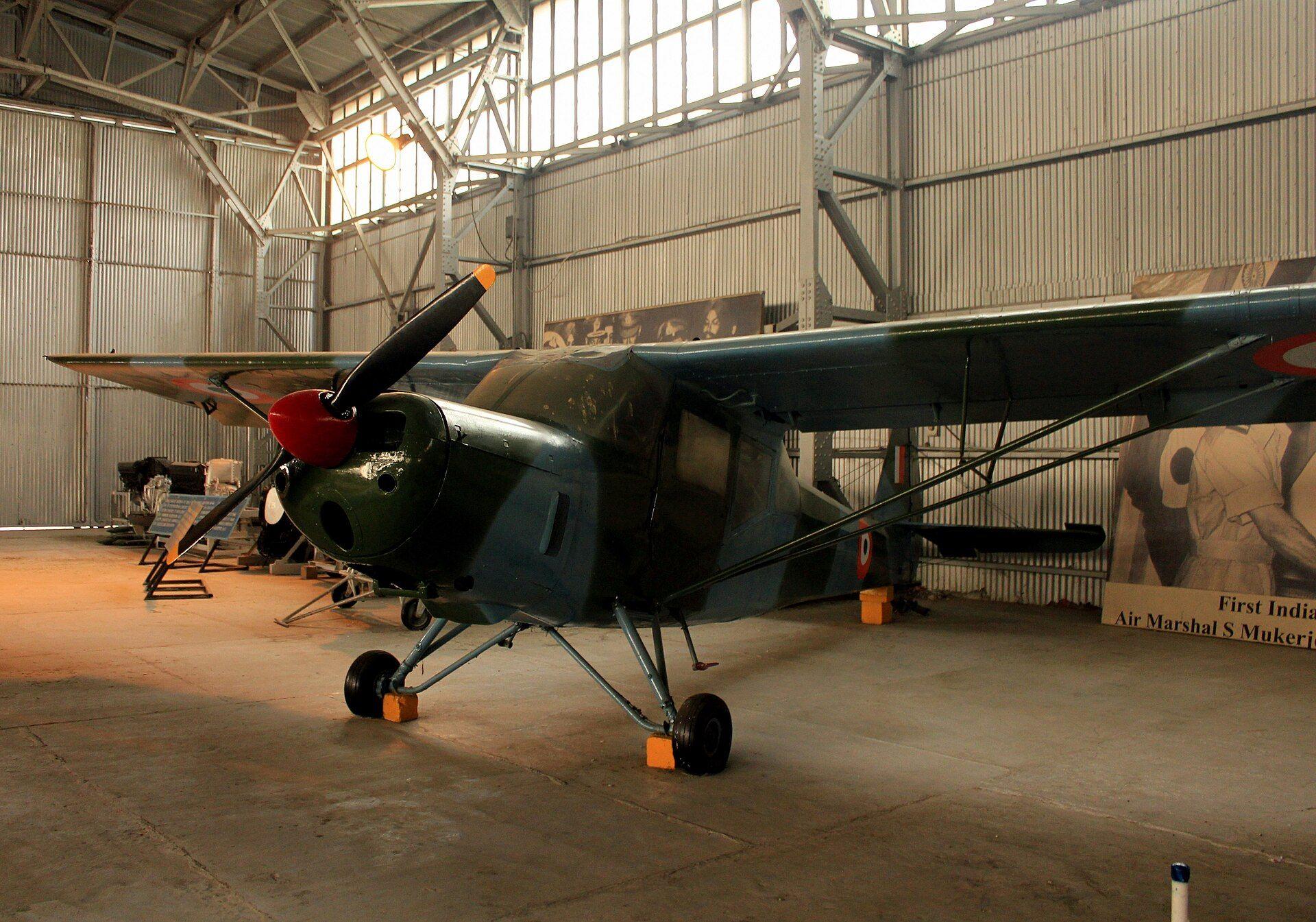
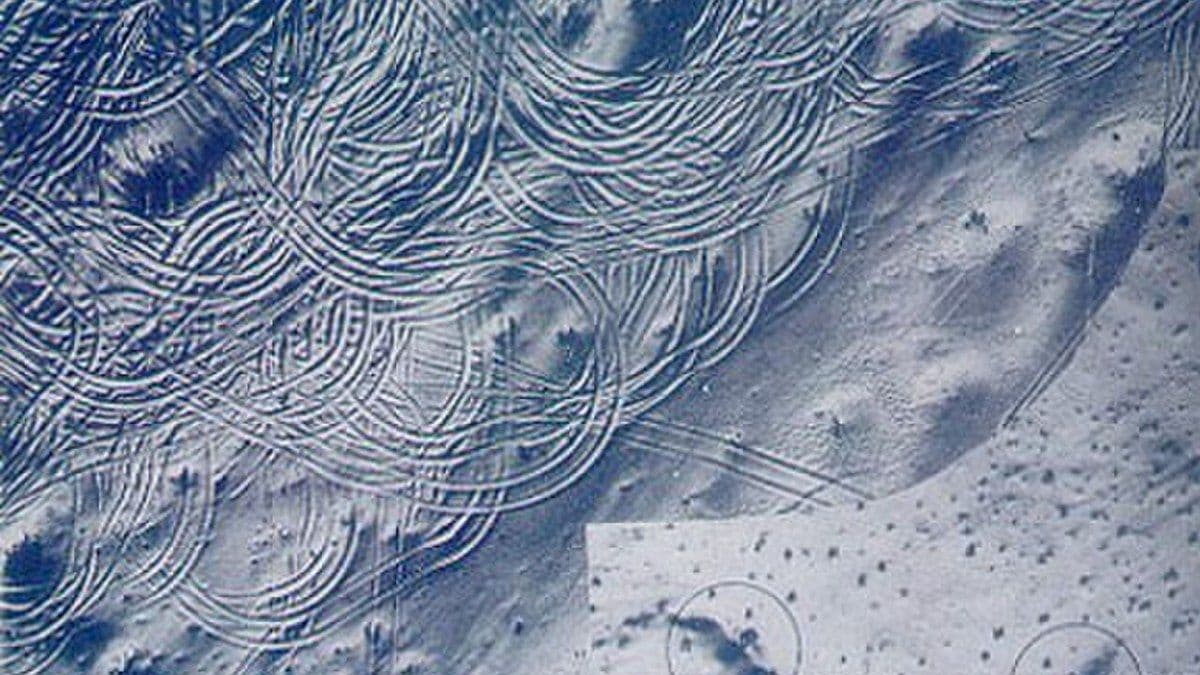
Cover image: Indian Air Force, GODL-India, via Wikimedia Commons. Resized for this page. https://commons.wikimedia.org/wiki/File:Tank_tracks_during_the_Battle_of_Longewala_in_1971.jpg
- Indian Air Force
- 1971 war
Sources
- Saga of Longewala (Air Marshal M.S. Bawa) · Bharat Rakshak
- The Pilots of Longewala · Bharat Rakshak
- Cobwebs of controversy are now cleared · Salute