The Battle of Boyra, 1971
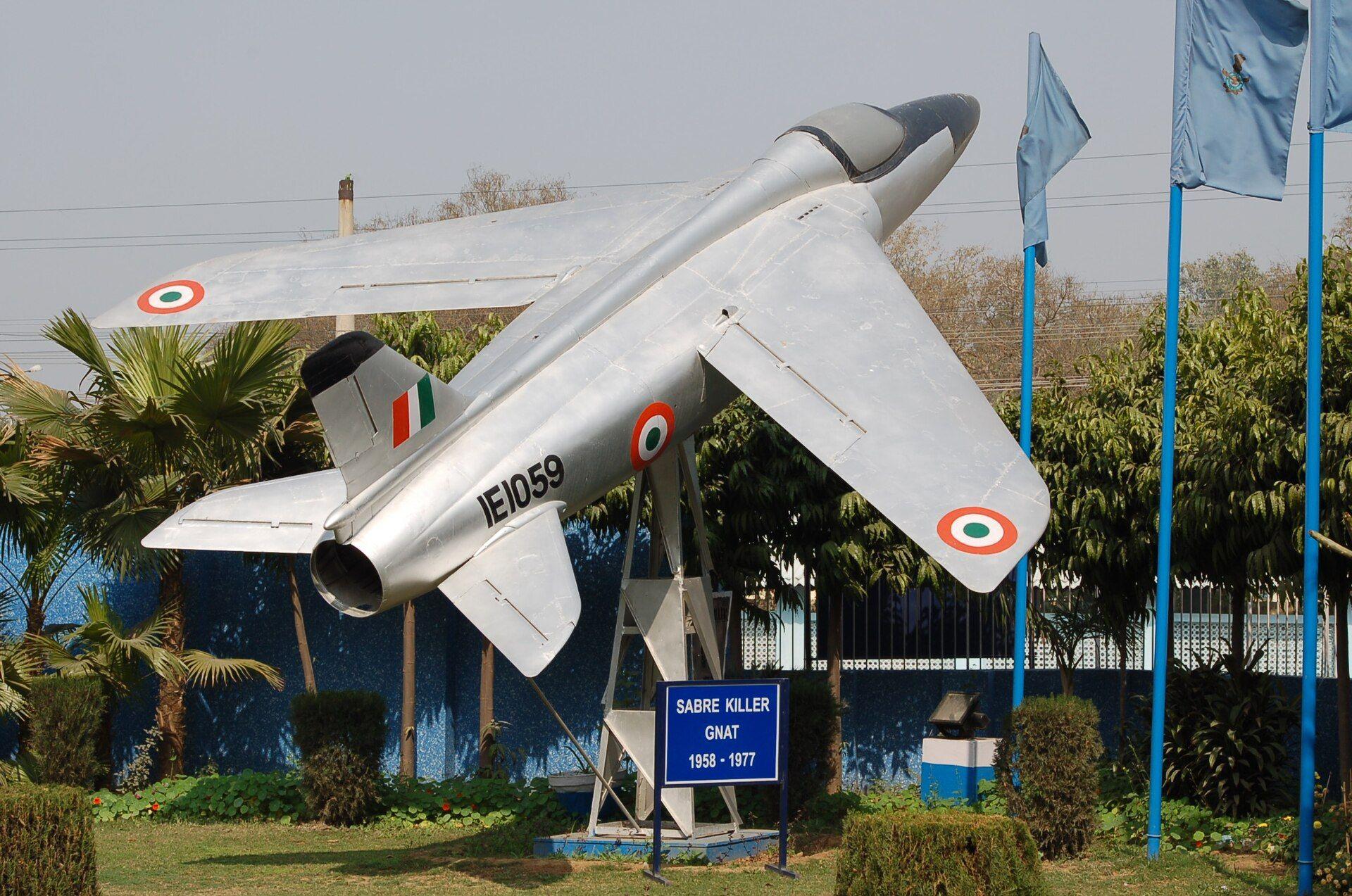
On 22 November 1971, four IAF Gnats from Dum Dum intercepted four PAF Sabres over the Boyra salient, 11 days before war was formally joined.
Vetnet Editorial
4 min read
At a glance
- Date
- 22 November 1971
- Indian unit
- No. 22 Squadron IAF (Gnats), Dum Dum detachment
- Opponent
- No. 14 Squadron PAF (Sabres)
- Shoot command
- 1459 hours, from fighter controller Fg Offr K.B. Bagchi
- Result (usual count)
- Two Sabres shot down, one damaged
- Awards
- Vir Chakra to Massey, Ganapathy and Lazarus; Vayu Sena Medal to Bagchi
- Ground action
- Battle of Garibpur, 21 November 1971: 14 Punjab and C Squadron, 45 Cavalry (PT-76)
Three raids on 22 November
Radar picked up four Pakistan Air Force Sabres at about 1448 hours on 22 November 1971. Within three minutes, four Gnats of No. 22 Squadron were airborne from Dum Dum. It was 11 days before Pakistan's air strikes of 3 December opened the full war.
The Sabres of No. 14 Squadron PAF were supporting Pakistani troops in the fighting at Garibpur, in the Boyra salient, where tanks had clashed the day before. They had already raided twice that day, at 0811 and 1028 hours, and left before the Gnats could engage.
No. 22 Squadron, under Wing Commander B.S. Sikand, was based at Kalaikunda and had kept a detachment at Dum Dum since September.
The tank fight at Garibpur
The Sabres were over Boyra because of a ground battle that began the day before. Mukti Bahini fighters, with Indian Army elements, had taken a foothold at Garibpur, inside East Pakistan. Troops of 14 Punjab were digging in between Garibpur and Jagannathpur, supported by PT-76 tanks of C Squadron, 45 Cavalry.
In the early hours of 21 November, under dense fog, Pakistan's 107 Infantry Brigade attacked with two infantry battalions, artillery and 3 Independent Armoured Squadron, equipped with Chaffee tanks. The fighting lasted almost four hours. Three Maha Vir Chakras came out of it: to Lt Col RK Singh, commanding 14 Punjab, to Subedar Malkiat Singh, and posthumously to Major Daljit Singh Narang, who commanded C Squadron and was killed on his tank.
Accounts differ on the tank losses. Bharat Rakshak gives 13 Pakistani tanks knocked out for four Indian; a Tribune account by Lt Col Dilbag Singh Dabas (Retd), who served as a gun position officer in the battle, gives 11 Pakistani tanks for two. Pakistan then asked for air support, which arrived on the second day. Prime Minister Indira Gandhi described the action in Parliament on 24 November, before war had been declared.
1459 hours
Flying Officer K.B. Bagchi, the fighter controller, talked the formation on to its targets. Flight Lieutenant Roy Massey led, with Flying Officer S.F. Soares as his wingman. Flight Lieutenant M.A. Ganapathy and Flying Officer Donald Lazarus made up the second section. The order to shoot came at 1459.
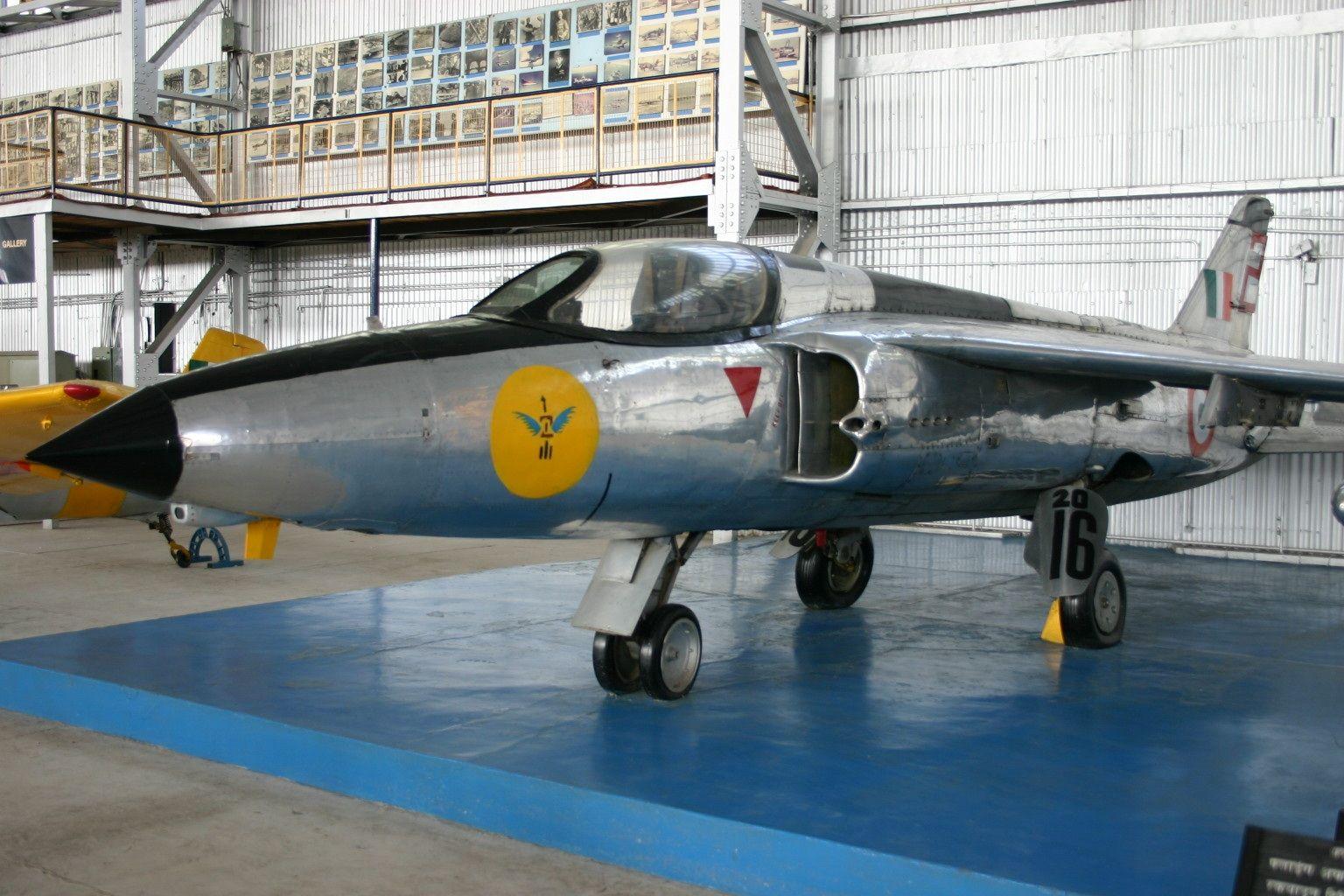
Two Sabres pulled out of their attack directly in front of Ganapathy and Lazarus. Both pilots fired, and both Sabres went down. Their pilots ejected and were captured: Flight Lieutenant Parvez Mehdi Qureshi and Flying Officer Khalil Ahmed. Indian accounts, reconstructed afterwards with the Pakistani version, credit Ganapathy with Ahmed's aircraft and Lazarus with Qureshi's.
Massey fired on a third Sabre, missed with his first burst and hit its port wing with a second at 700 yards. His starboard cannon then stopped. The Sabre crossed back into East Pakistan trailing smoke.
What the record claims
The usual count is two Sabres shot down and one damaged. Early reports said the third pilot, Wing Commander Chaudhary, had ejected near Jessore. It later emerged that he flew the aircraft back to Tezgaon. Bharat Rakshak marks its own detailed account as the version known in 2005, and points readers to an updated one in Eagles over Bangladesh by P.V.S. Jagan Mohan and Samir Chopra.
Massey, Ganapathy and Lazarus received the Vir Chakra. Bagchi received the Vayu Sena Medal for directing the interception. Sikand received the VSM for the action and for his squadron's later work in the war. Qureshi later became Chief of the Air Staff of the Pakistan Air Force.
Cover image: Aryan Gupta, CC BY-SA 4.0, via Wikimedia Commons. Resized for this page. https://commons.wikimedia.org/wiki/File:IAF_Gnat_IE1059.jpg
After Boyra
The Gnats made a low pass over Calcutta before landing back at Dum Dum with little fuel to spare. Defence Minister Jagjivan Ram came to Dum Dum with Air Marshal HC Dewan, the air officer commanding-in-chief, and congratulated Sikand, the four pilots and Bagchi. The next day's newspapers carried the story on their front pages, with pictures supplied by the Ministry of Defence.
Massey later commanded No. 224 Squadron at Adampur, which flew the MiG-23MF. He was killed on 28 November 1983, when his aircraft came down after a bird hit. Lazarus trained on the MiG-25 at Krasnodar in 1981 and 1982, was a flight commander and then commanding officer of No. 102 Squadron at Bareilly until February 1985, and took voluntary retirement as a Group Captain on 31 October 1991. Ganapathy died in the 1970s.
When Qureshi became Chief of the Air Staff of the Pakistan Air Force in 1996, Lazarus wrote to congratulate him. Qureshi wrote back and complimented the Indian pilots on the fight they had put up.
- Indian Air Force
- 1971 war
Sources
- The Boyra Air Battle, 22 November 1971 · Bharat Rakshak
- Service record: Wing Commander Roy Andrew Massey (Vir Chakra citation) · Bharat Rakshak
- Service record: Group Captain Donald Lazarus (Vir Chakra citation) · Bharat Rakshak
- Boyra Boys and under-3 minute battle with Pakistan drew first blood for India in 1971 · ThePrint (Anshuman Mainkar)
- When Indira Gandhi broke tradition and mentioned Garibpur battle in Parliament (Lt Col Dilbag Singh Dabas, Retd) · The Tribune