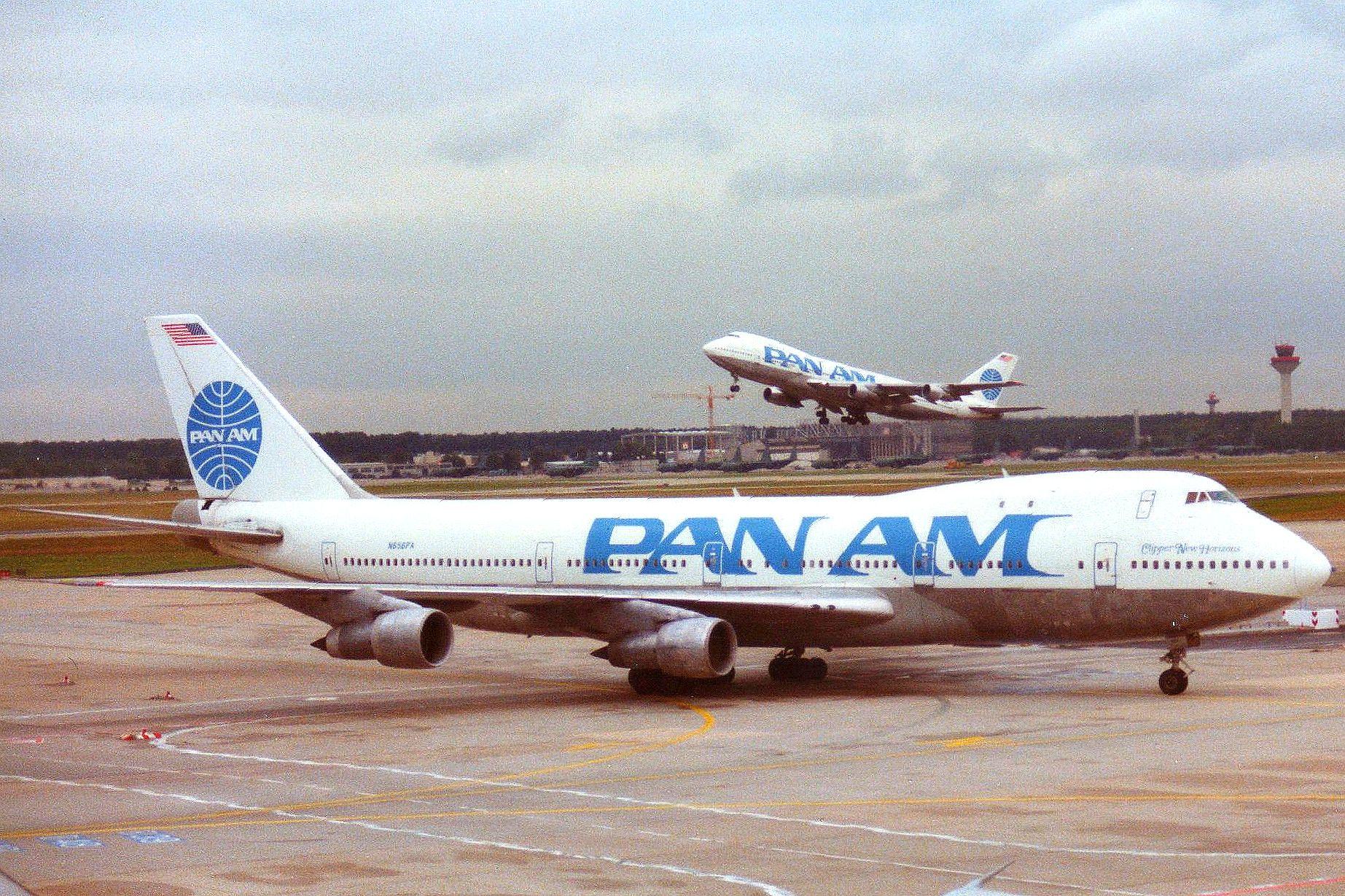
Flight Captain D. K. Jatar, Ashoka Chakra
Air India Captain D. K. Jatar commanded the Kashmir Princess, bombed in flight on 11 April 1955 and lost off the Natuna Islands.
Vetnet Editorial
2 min read
At a glance
- Award
- Ashoka Chakra (posthumous), 1955
- Aircraft
- Air India Lockheed Constellation 'Kashmir Princess'
- Date
- 11 April 1955
- Route
- Hong Kong to Jakarta, for the Bandung Conference
- Place
- Off the Natuna Islands, Indonesia
- On board
- 19; 16 killed, 3 crew survived
- Survivors
- M. C. Dikshit (co-pilot), J. C. Pathak (navigator), A. S. Karnik (engineer)
Bomb Aboard the Kashmir Princess
The Kashmir Princess, an Air India Lockheed Constellation under charter, left Hong Kong for Jakarta on 11 April 1955 carrying delegates, mainly journalists, to the Bandung Conference. Captain D. K. Jatar was in command.
A time bomb exploded behind the No. 3 engine, and fire followed. Jatar shut that engine down and feathered the propeller. The crew sent three distress signals before the radio failed.
He tried to bring the aircraft down on the sea. Smoke in the cockpit, loss of pressure and failing electrical circuits defeated the attempt. Life jackets were issued and the emergency doors opened as the aircraft descended.
Three Survivors off the Natuna Islands
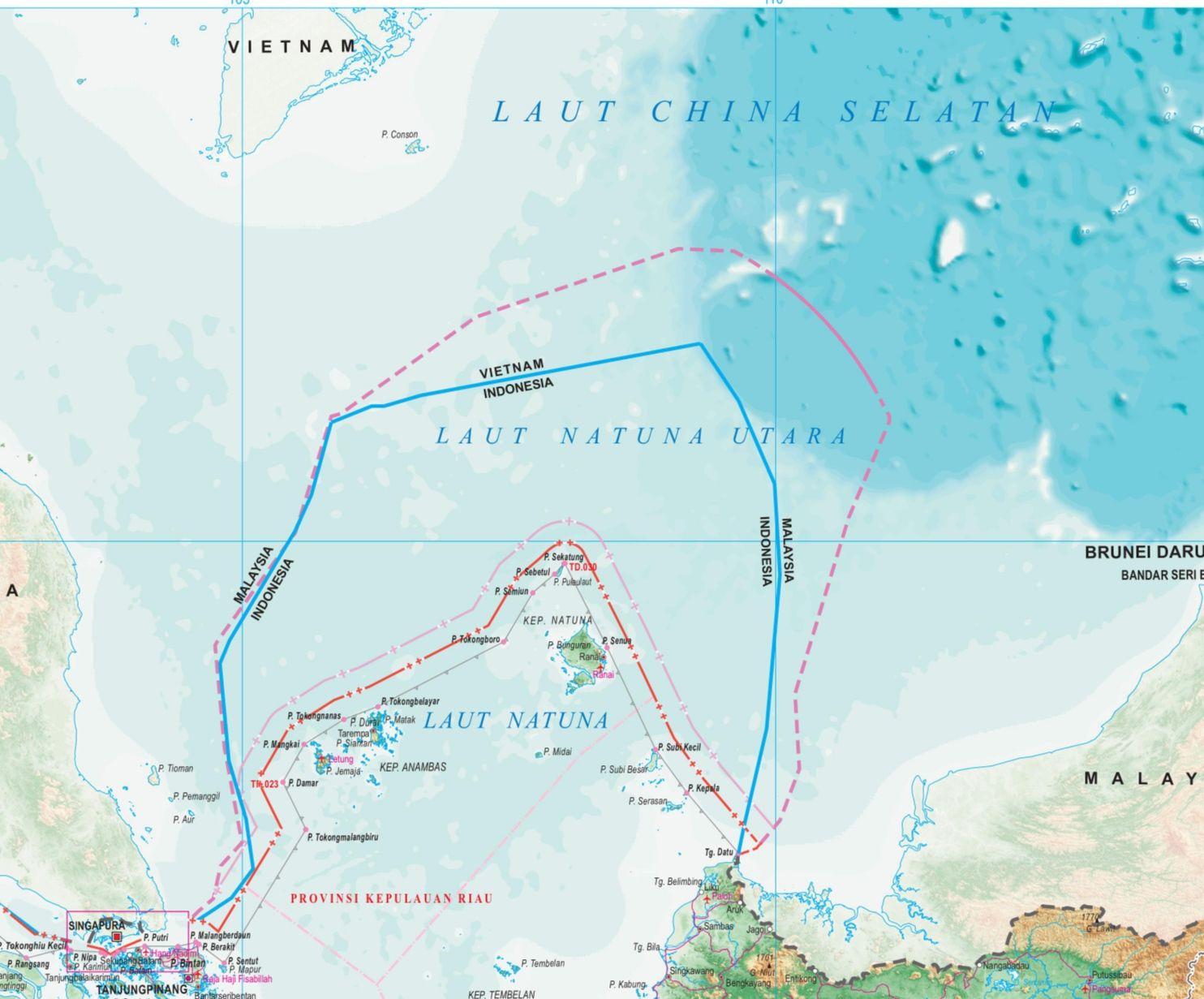
The Constellation came down off the Natuna Islands in Indonesia. Of the 19 on board, 16 died, Jatar among them. The first officer, navigator and maintenance engineer reached safety.
The intended target was the Chinese premier, Zhou Enlai, who did not take the flight. Hong Kong investigators held Kuomintang agents responsible.
Jatar's posthumous Ashoka Chakra, listed in 1955, was the first to a civilian. The Defence Ministry's portal gives his home state as Maharashtra.
The survivors and the investigations
The three who lived were the co-pilot, M. C. Dikshit, the navigator, J. C. Pathak, and the maintenance engineer, A. S. Karnik. They kept themselves afloat until Indonesian fishermen rescued them the next day. Indian investigators found that the starboard side of the aircraft struck the water first, and that the captain stayed in his seat and supervised the rescue effort. Karnik later wrote a book about the crash. Dikshit, the last of the three, died in Delhi on 5 December 2022 at the age of 105.
India sent R. N. Kao, who later became the first chief of the Research and Analysis Wing, to investigate, and the survivors' evidence was central to that inquiry.
In Hong Kong, investigators identified an airport cleaner, Chow Tse Ming, as the man who had planted the bomb, which was fitted with an American-made detonator. He had already left for Taiwan, on board an aircraft of an airline known to be a CIA proxy. The Hong Kong government arrested 71 suspected Taiwanese agents and later released them all for lack of evidence, and no one was ever punished for the bombing.
What the citation recorded
The official citation could not be read for this article. The Defence Ministry's portal leaves the citation field blank in the archived record. Published accounts of the loss say that after the bomb exploded he shut down the damaged engine and tried to bring the Constellation down on the sea, and that the crew issued life jackets. This is a summary, not the official wording.
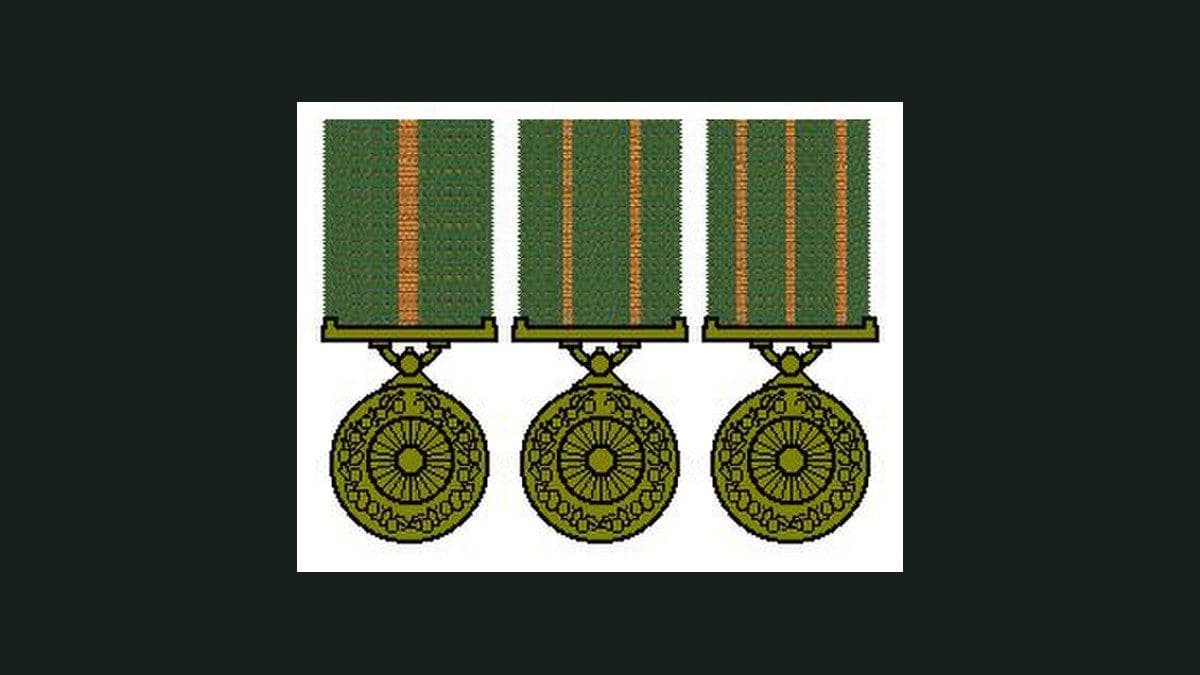
Cover image: Robert Prummel, CC BY-SA 3.0, via Wikimedia Commons. Resized for this page. https://commons.wikimedia.org/wiki/File:Ashoka_Chakra_India_De_drie_medailles_van_voor_1967.jpg
- Air India
- Ashoka Chakra
- Civilian
Sources
- The death of an unknown Indian pilot, lost history of a CIA plot to kill a Chinese Premier (P. Raman, 5 December 2022) · The Indian Express
- Déjà vu from 30,000 ft (Anvar Alikhan, 4 January 2015) · The Times of India
- Kashmir Princess · Wikipedia