Major Sudhir Kumar Walia, SM and Bar, Ashoka Chakra
Major Sudhir Kumar Walia of 9 Para (Special Forces) charged a militant hideout in the Haphruda forest, Kupwara, on 29 August 1999.
Vetnet Editorial
4 min read

At a glance
- Award
- Ashoka Chakra (posthumous), Republic Day 2000
- Unit
- 9 Para (Special Forces)
- Date of action
- 29 August 1999
- Place
- Haphruda forest, Kupwara district, Jammu and Kashmir
- Other awards
- Sena Medal and Bar
- Kargil
- Led the 9 Para team that captured Zulu Top, Mushkoh Valley, July 1999
- Commissioned
- June 1988, Jat Regiment, from the Indian Military Academy
- Service number
- IC-47623
The hideout in the Haphruda forest
On the morning of 29 August 1999, Major Sudhir Kumar Walia took a five-man squad of 9 Para (Special Forces) into the Haphruda forest in Kupwara district. Crawling uphill with one companion, he reached a small knoll and saw two armed men about four metres away, with a large hideout in a depression below. He shot the nearer man and charged the hideout, covered by his companion.
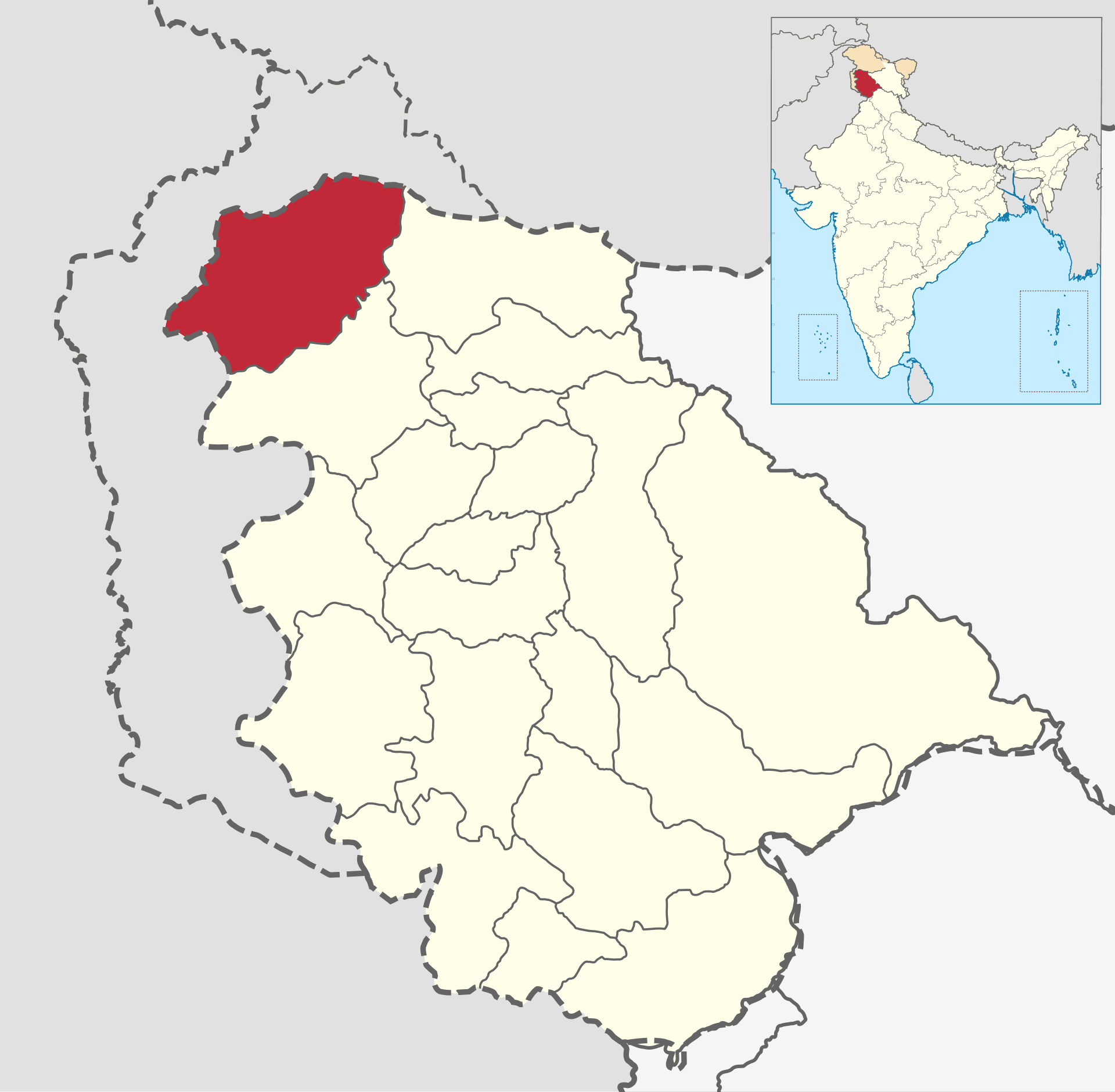
About 20 militants came out, according to the published accounts. He fired on them at about two metres and was hit in the face, chest and arm. His official citation says he killed four; another account gives nine. Lying wounded at the entrance, he stayed on the radio to his commanders, telling them to hold their positions and block escape routes. He was evacuated after about 35 minutes of fighting and died of his wounds.
Banuri to Zulu Top
Walia's family came from Banuri village in Kangra district, Himachal Pradesh. Sources disagree on his birth year. Commissioned into 4 Jat, he joined 9 Para in 1990 and received the Sena Medal twice. He was aide-de-camp to General V. P. Malik and, at his own request, joined his unit in the Kargil war, where he led a team that captured Zulu Top in the Mushkoh Valley.
Sainik School, Sri Lanka and two Sena Medals
Walia was the son of Subedar Major Rulia Ram Walia and Rajeswari Devi. After the local government school he won a place at Sainik School, Sujanpur Tihra, and went on to the National Defence Academy at Khadakwasla. He was commissioned from the Indian Military Academy into the Jat Regiment in June 1988, served with the Indian Peace Keeping Force in Sri Lanka, and later opted for the Special Forces.
His two Sena Medals came from Jammu and Kashmir. The Tribune records one for covert operations in which several militants were killed and their hideouts destroyed, and the other for his part in an expedition to climb Mount Brammah II in the Kishtwar region.
In 1997 he was sent to the United States for a specialised course, and addressed a gathering at the Pentagon. General V. P. Malik later wrote that his course mates there called him "Colonel".
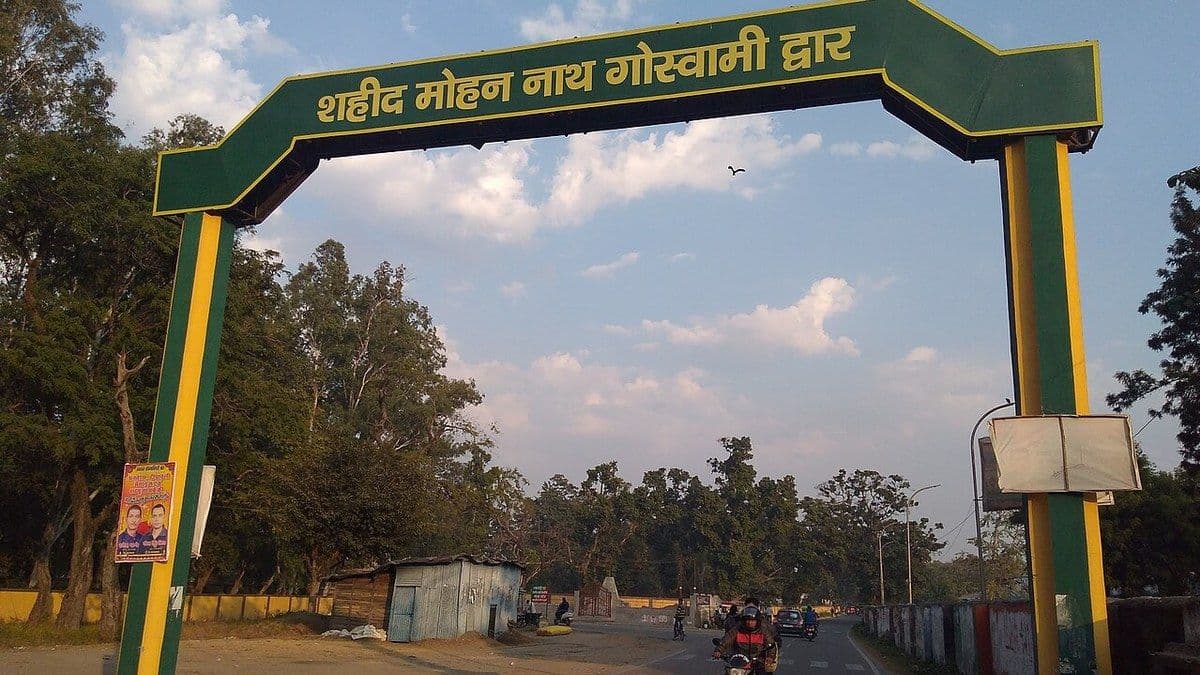
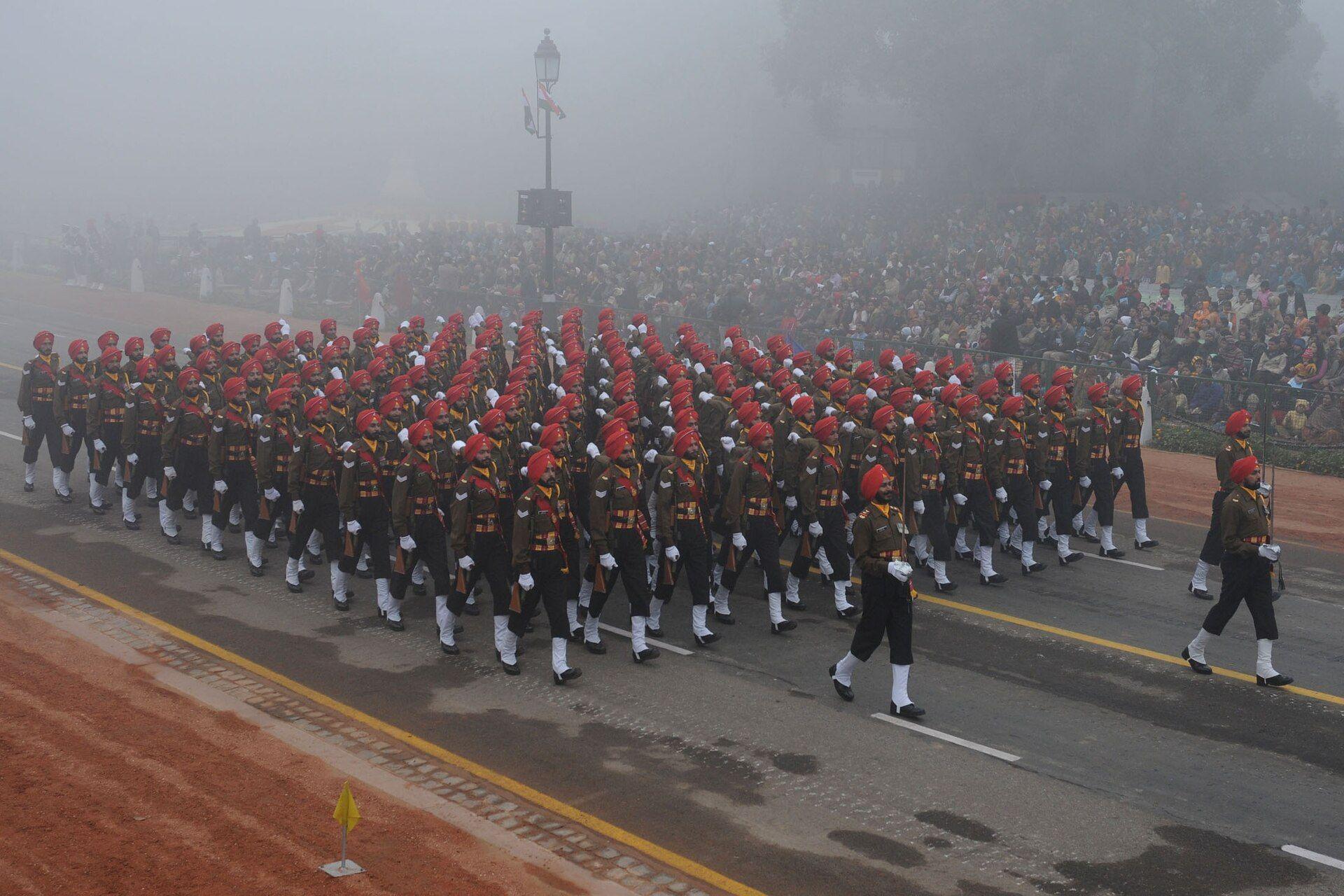
His father received the Ashoka Chakra from President K. R. Narayanan at the Republic Day parade in 2000. A square a short distance from the family house in Banuri is dedicated to him.
What the citation recorded
In summary, the award recorded his action of 29 August 1999 in the Haphruda forest, Kupwara district, where he located a concealed militant hideout, attacked it at close range and was gravely wounded. He kept directing the operation by radio before evacuation and died of his wounds.
The citation in full
Major Sudhir Kumar (IC-47623), SM*, 9 Para (Special Forces) (Posthumous)
On 29 August 1999 at 0830 hours, Major Sudhir Kumar led a squad of five men into the dense undergrowth in Haphruda forest in Kupwara district of Jammu and Kashmir. Soon he heard voices of militants but was unable to see them. He, along with his buddy crawled uphill and on reaching a knoll, observed two armed militants barely four metres ahead, and a large covered hideout in a depression 15 metres below. The officer immediately fired killing the closest sentry and charged at the second, who jumped back towards the hideout. Major Sudhir Kumar without hesitation charged at the hideout with only his buddy giving him covering fire.
The militants who numbered about twenty were shocked and rushed out in an attempt to flee. The officer single handedly grappled with them and firing from a distance of two metres, killed four militants. In this action, he was, however, hit on his face, chest and arm and fell down bleeding profusely at the entrance to the hideout.
Major Sudhir Kumar, although unable to move, called up his troop commanders and all the stops on the radio set and directed them to hold fast and not to allow the rest of the militants to escape. It was only after 35 minutes, when the fire fight stopped that he permitted his evacuation. Bleeding profusely, he continued to pass instructions to his troops on his radio set. He passed away holding his set.
Major Sudhir Kumar, thus, displayed most conspicuous gallantry and bravery beyond compare and made the supreme sacrifice in the highest traditions of the Indian Army.
Source: Ministry of Defence gallantry awards portal. Reproduced as published.
- Indian Army
- Ashoka Chakra
- 9 Para (Special Forces)
Sources
- Sudhir Kumar Walia, SM*, AC - awardee profile and citation · Gallantry Awards, Ministry of Defence
- Maj Sudhir Kumar, SM**, Ashoka Chakra (Posthumous) - awardee page (archived 24 May 2021) · Gallantry Awards, Ministry of Defence (via Internet Archive)
- Our Heroes · The Parachute Regiment, Indian Army (via Internet Archive)
- Thrice-decorated Major Sudhir Walia personified raw courage, dedication to duty · The Tribune
- Rambo of Palampur: The soldier who fought till his last breath · The Tribune
- Major Sudhir Kumar Walia AC SM* · Honourpoint