Operation Trident, Karachi 1971
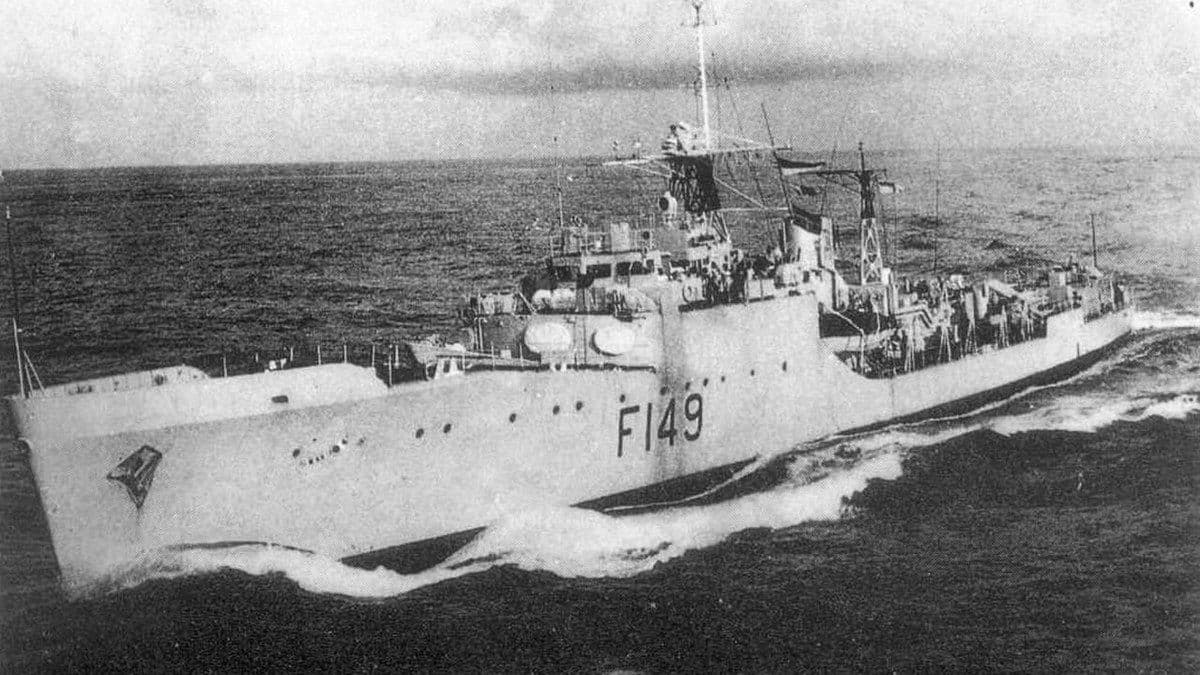
On the night of 4-5 December 1971, three Indian missile boats struck Karachi, sinking PNS Khaibar and PNS Muhafiz without Indian loss.
Vetnet Editorial
3 min read
At a glance
- Date
- Night of 4-5 December 1971
- Strike force
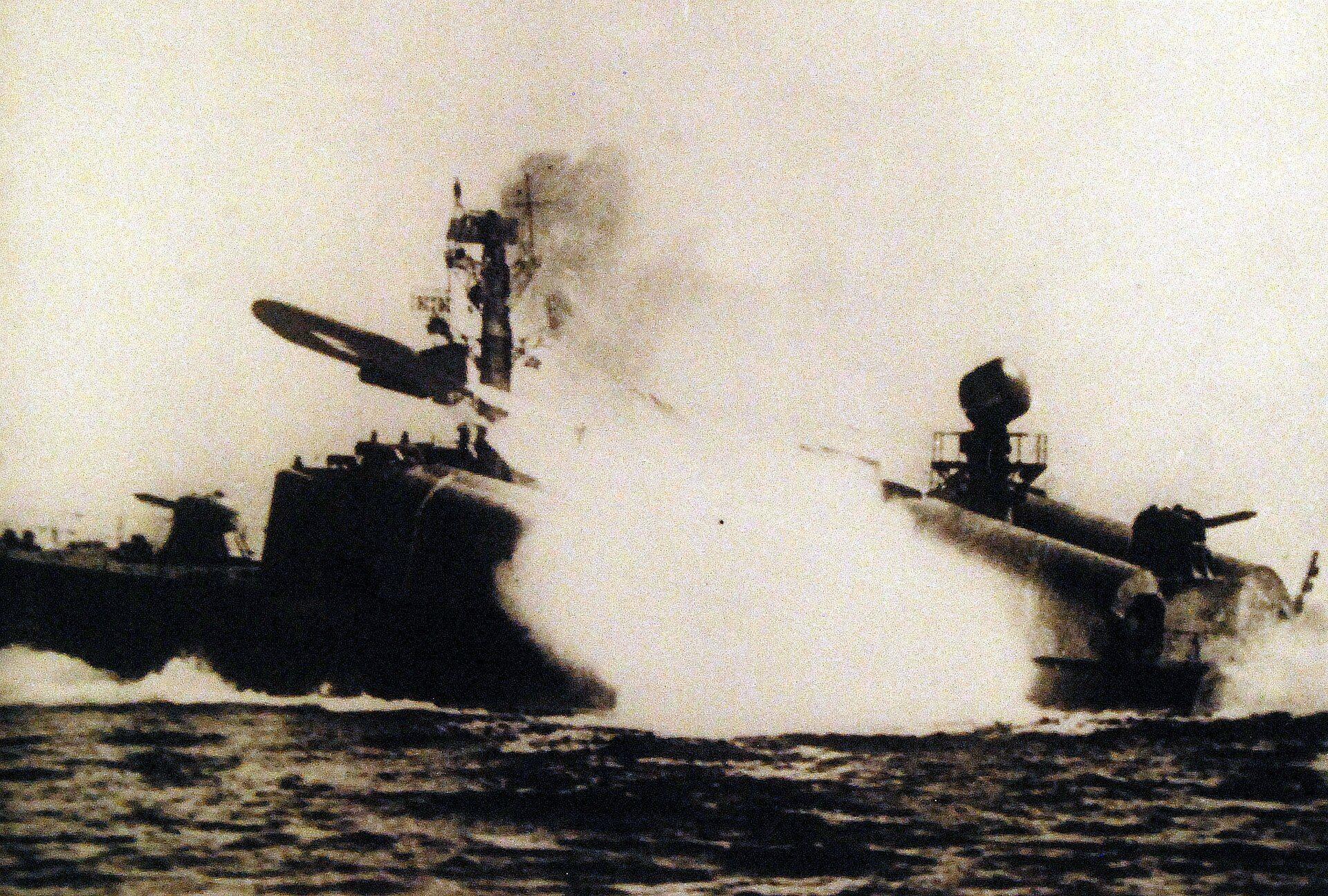
- Missile boats INS Nipat, Nirghat and Veer of the 25th Missile Boat Squadron, escorted by INS Kiltan and Katchall, with tanker INS Poshak
- Squadron commander
- Commander Babru Bhan Yadav, embarked in INS Nipat (Maha Vir Chakra)
- Weapon
- Soviet P-15 (SS-N-2) Styx anti-ship missiles
- Pakistani losses
- Destroyer PNS Khaibar and minesweeper PNS Muhafiz sunk
- Indian losses
- None
- Pakistani deaths
- 222 in PNS Khaibar and 33 in PNS Muhafiz (Indian Express)
- Follow-up
- Operation Python, second missile attack on Karachi, 8 December 1971
The 25th Squadron goes to sea
On the night of 4-5 December 1971, three Indian missile boats attacked Pakistani ships off Karachi with Styx missiles. Pakistan had opened the war on the evening of 3 December, too late for the force to reach its start point that night, and the operation was set for the next day.
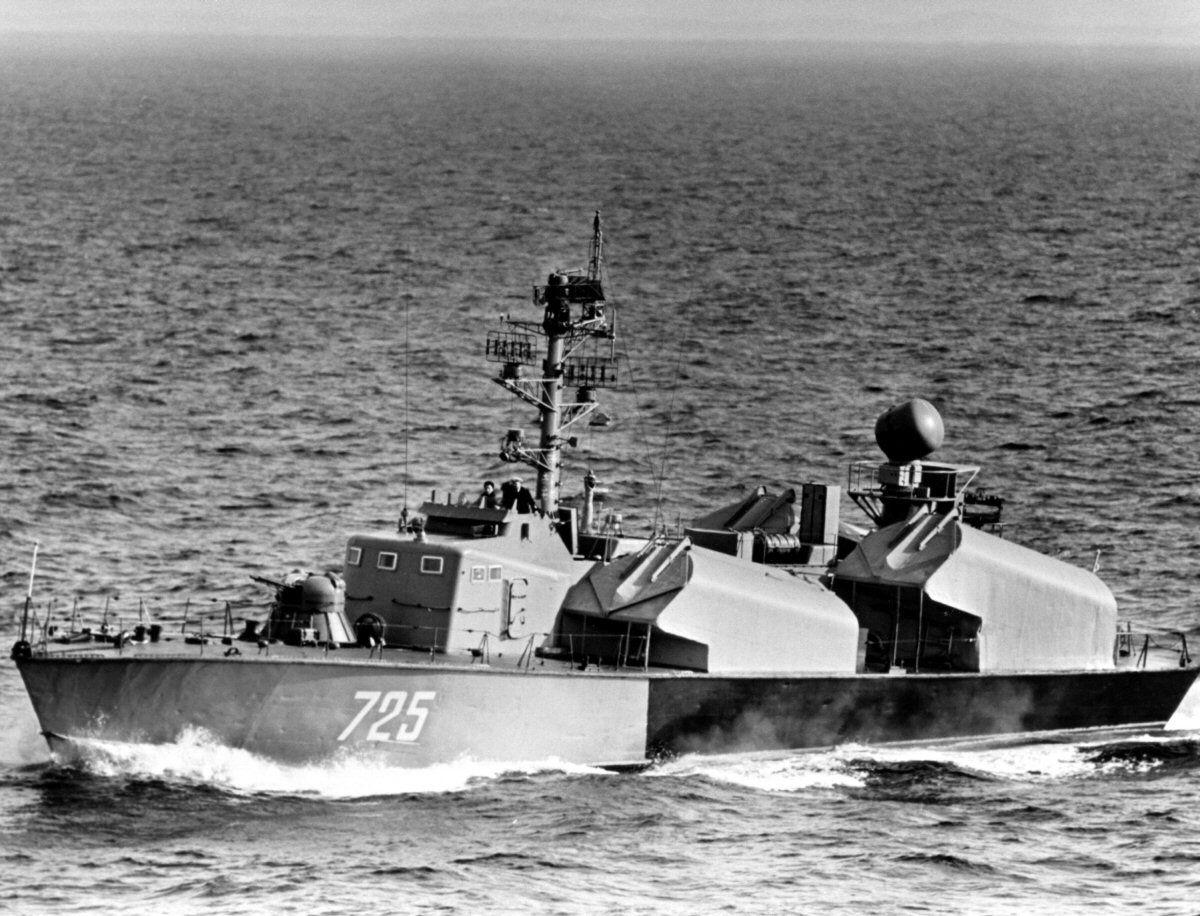
The boats, Soviet-built Osa I craft, had been commissioned at Kolkata earlier in 1971. They were INS Nipat, under Lieutenant Commander B.N. Kavina, INS Nirghat, under Lieutenant Commander I.J. Sharma, and INS Veer, under Lieutenant Commander O.P. Mehta.
Commander Babru Bhan Yadav, commanding the 25th Missile Boat Squadron, embarked in Nipat. The escorts were INS Kiltan and INS Katchall, with the fleet tanker INS Poshak.
Why the boats went in at night
The Osa boats had a short range. The plan was to tow them towards Karachi and send a fleet tanker with the force so that they could get back to Indian ports. Each boat carried four Styx missiles with a range of about 40 nautical miles.
On 4 December the task group waited about 250 nautical miles south of Karachi, outside the reach of the Pakistan Air Force, and went in after dark because most Pakistani aircraft could not bomb at night. A fourth boat, INS Vidyut, stayed on patrol off Dwarka to cover the force. Kiltan and Katchall, Petya class anti-submarine corvettes, were to handle communications, point out targets with their better radar and guard against submarines. Kiltan was commanded by Commander K.P. Gopal Rao.
Khaibar, Venus Challenger and Muhafiz
At about 2230 Pakistan time, some 70 nautical miles south of Karachi, the boats detected targets to the north-west and north-east.
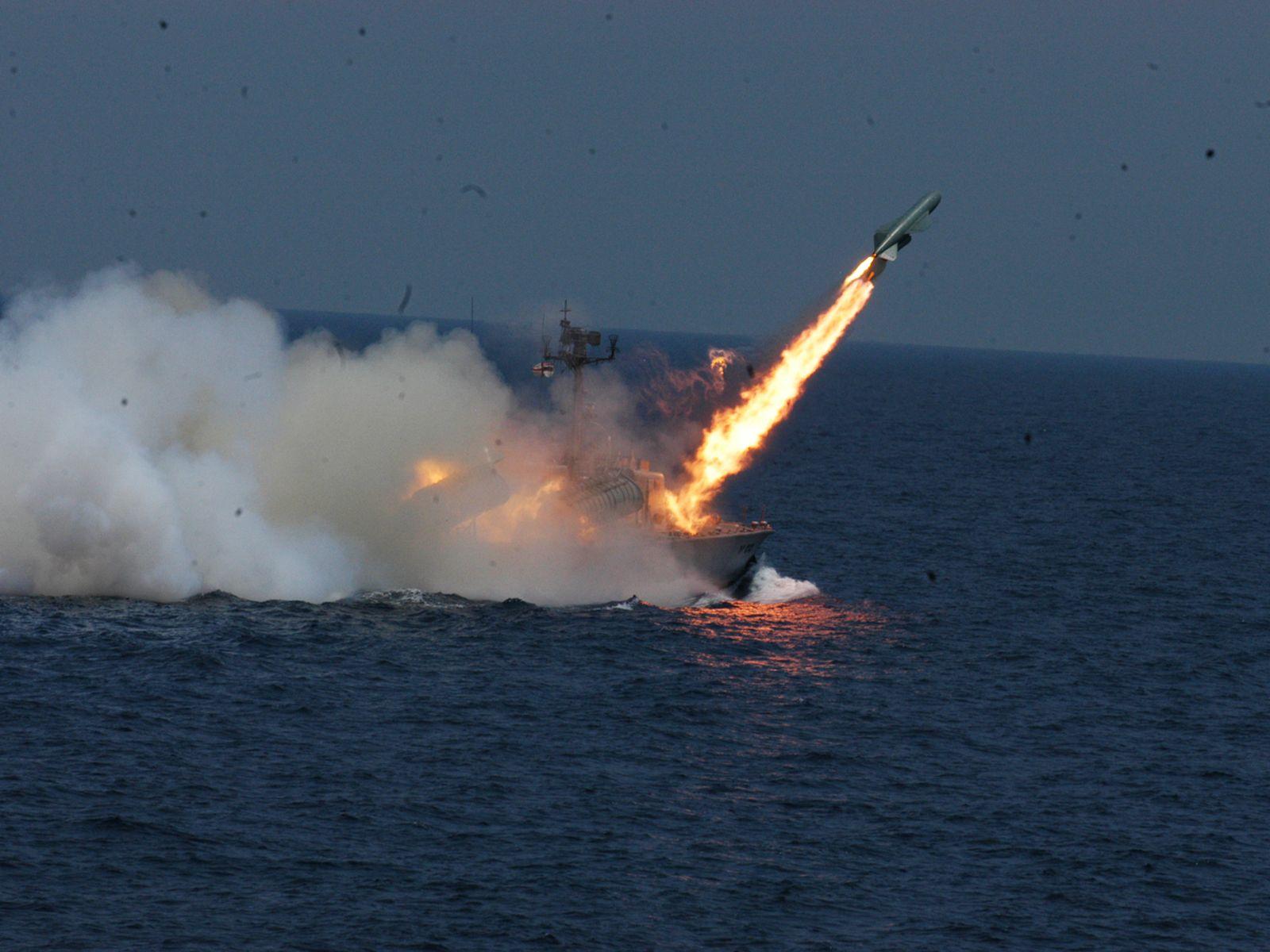
Nirghat fired at about 2240 on the destroyer PNS Khaibar, which turned to intercept. Two missiles hit, and she sank about 45 minutes later.
Nipat fired two missiles at a contact later identified as the merchant ship MV Venus Challenger. Some accounts place the destroyer PNS Shah Jahan in the same engagement. Veer's single missile set the coastal minesweeper PNS Muhafiz on fire, and she also sank.
Nipat then fired at the oil installations at Karachi at about midnight. Accounts differ on how much of the damage at Keamari came from this missile, from the second naval attack of 8-9 December, or from Indian Air Force raids.
What Karachi heard
Khaibar took the first missile for an aircraft and fired at it with her anti-aircraft guns. Her emergency signal to naval headquarters reported an air attack and gave a wrong position, which delayed the rescue of survivors. The rescue effort that followed was disjointed and haphazard. Muhafiz broke up before she could send any signal. Headquarters learnt of her loss from survivors picked up by a patrol vessel that was searching for Khaibar's crew.
The Indian Express puts Pakistani deaths at 222 in Khaibar and 33 in Muhafiz.
On 5 December the Navy's Western commander-in-chief, Vice Admiral S.N. Kohli, received the code word "Angaar", which meant the operation had succeeded. The second missile attack on Karachi, on 8 December, was code-named Operation Python.
The return to Bombay
A communications fade meant the task group commander in Kiltan did not receive Yadav's withdrawal order. He closed to 20 miles from Karachi before finding the boats had turned back. Veer slowed for repairs on the way.
The Indian force suffered no casualties or damage. Its ships refuelled on the Saurashtra coast on 5 December and reached Bombay on 6 December.
Yadav received the Maha Vir Chakra. The Navy has since marked 4 December as Navy Day.
- Indian Navy
- 1971 War
Sources
- 40 Years Since Operation Trident · SP's Naval Forces
- The Veer Ahir who set Karachi ablaze · Hindustan Times
- December 4, 1971: When Navy got credit for IAF's strikes on Karachi oil tanks · The Indian Express