The Indian Navy
How the Indian Navy grew from the East India Company's 1612 marine force into a service run through three naval commands.
Vetnet Editorial
4 min read
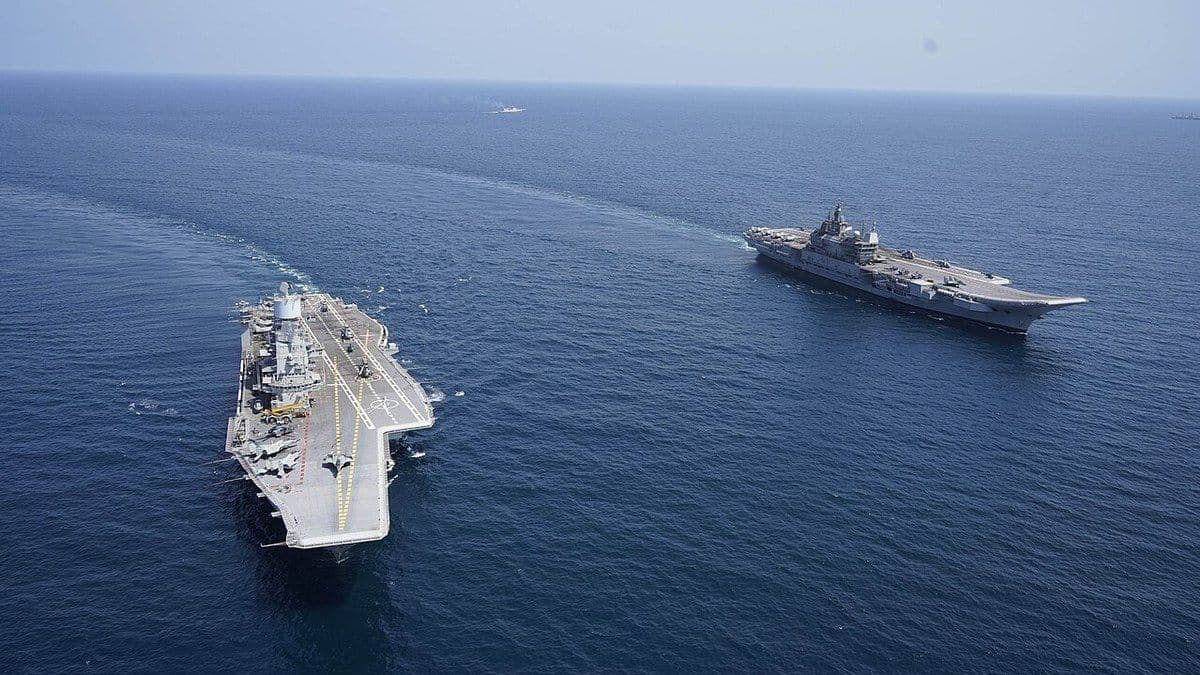
At a glance
- Origins
- 5 September 1612, East India Company squadron at Swally, near Surat
- Royal Indian Navy
- 1934 (King’s Colour 1935)
- At Independence
- 32 ageing vessels and 11,000 officers and men
- “Royal” dropped
- 26 January 1950
- President’s Colour
- 27 May 1951, first of the three services
- First Indian Chief
- Vice Admiral R.D. Katari, 22 April 1958
- Navy Day
- 4 December, marking Operation Trident, Karachi, 1971
- Commands
- Western (Mumbai), Eastern (Visakhapatnam), Southern (Kochi)
Swally, 1612, to the Royal Indian Navy
The Navy traces its origins to 5 September 1612, when the first squadron of fighting ships of the East India Company's marine force arrived on the Gujarat coast. Named the Honourable East India Company's Marine, it worked from Swally, near Surat, and protected Company trade in the Gulf of Cambay and the mouths of the Tapti and Narmada.
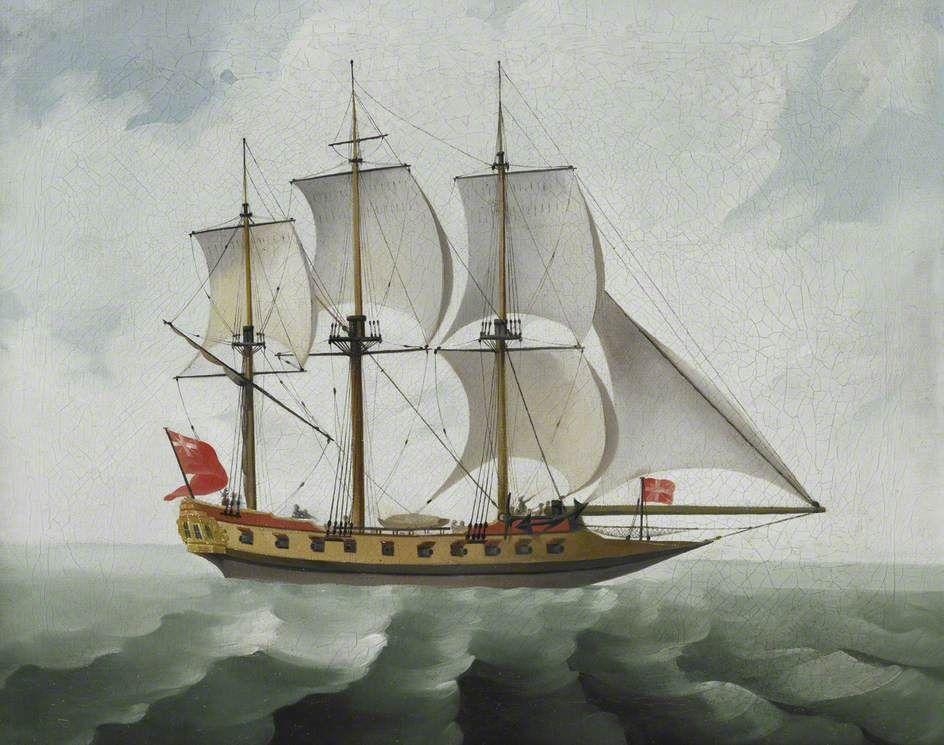
By 1686, with English commerce moving to Bombay, the force had become the Bombay Marine. Further changes of name followed through the nineteenth century.
It took the title Royal Indian Marine in 1892, by which time it had more than 50 vessels. In 1934 it was reorganised as the Royal Indian Navy, and in 1935 it received the King's Colour.
Two world wars and Independence
In the First World War the Royal Indian Marine put a fleet of minesweepers, patrol vessels and troop carriers into action after mines were found off Bombay and Aden. It was used mainly for patrols, for ferrying troops and for carrying war stores to Iraq, Egypt and East Africa. The first Indian to be granted a commission, Sub Lieutenant D.N. Mukherji, joined it as an engineer officer in 1928.
The Royal Indian Navy entered the Second World War with eight warships. By the end of the war it had 117 combat vessels and 30,000 personnel, who had seen action in several theatres.
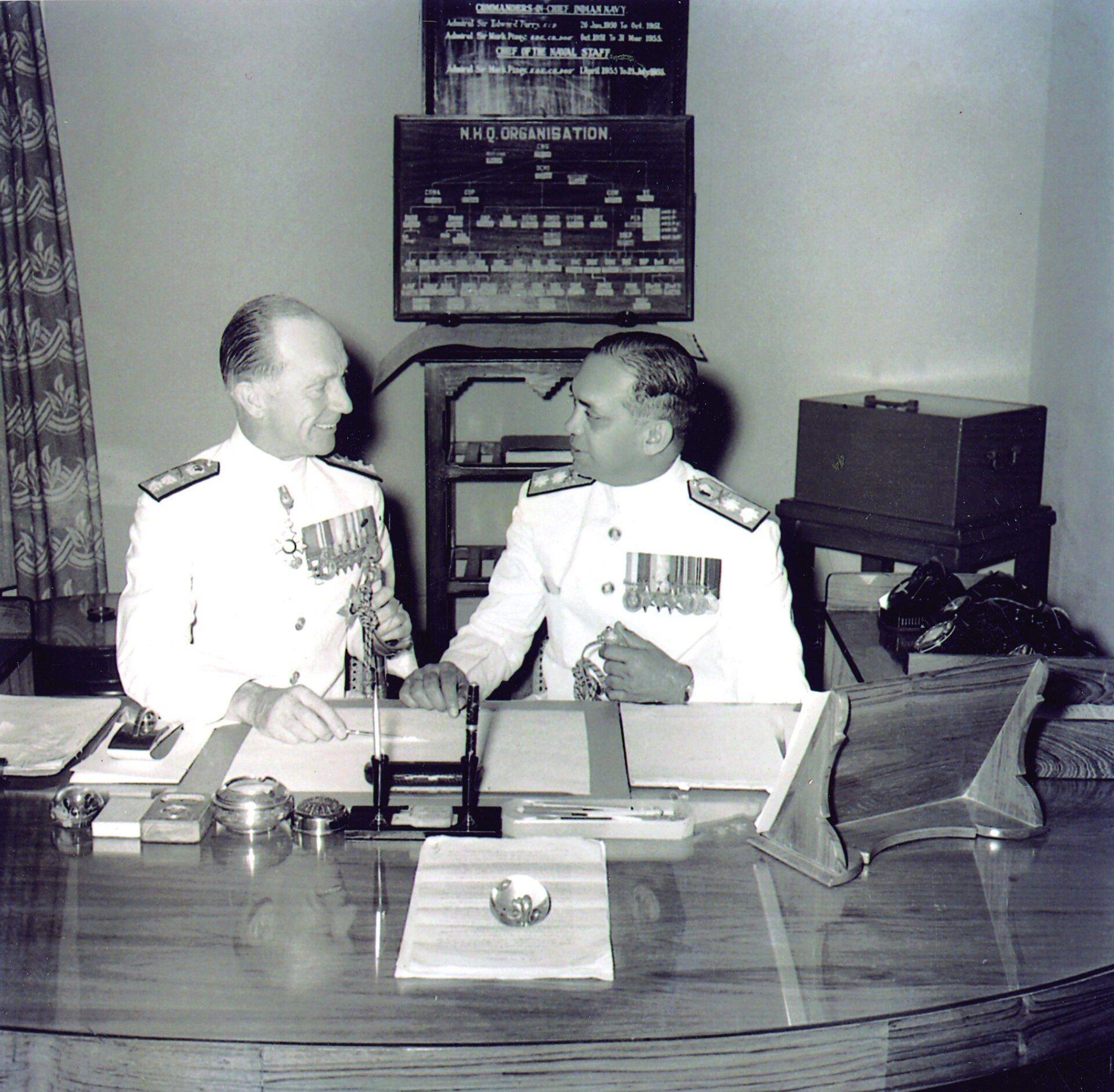
At Independence it was left with 32 ageing vessels, fit only for coastal patrol, and 11,000 officers and men. Its senior officers still came from the Royal Navy, and Rear Admiral I.T.S. Hall was the first post-independence Commander-in-Chief. Admiral Sir Edward Parry, the first Commander-in-Chief of the Indian Navy, handed over in 1951 to Admiral Sir Mark Pizey, who became the first Chief of the Naval Staff in 1955. Pizey was succeeded by Vice Admiral S.H. Carlill.
The Republic and the first Indian Chief
The prefix Royal was dropped on 26 January 1950, when India became a Republic, and ships took the prefix INS.
On 27 May 1951, President Rajendra Prasad presented the President's Colour to the Navy, the first of the three services to receive it. Vice Admiral R.D. Katari became the first Indian Chief of the Naval Staff on 22 April 1958.
The 1971 war and Navy Day
The Navy marks 4 December every year as Navy Day. The date recalls Operation Trident in the 1971 India-Pakistan war, when the Navy's missile boats fired their missiles at ships, an oil installation and shore defence installations at Karachi. In the east, fighter aircraft from INS Vikrant struck harbours and the airfield at Chittagong and Khulna, destroying ships and defence installations. The Navy also sank Pakistani ships carrying war stores. A 2020 Ministry of Defence release says the Karachi missile strikes and the air attacks from Vikrant together led to the defeat of Pakistani forces in East Pakistan.
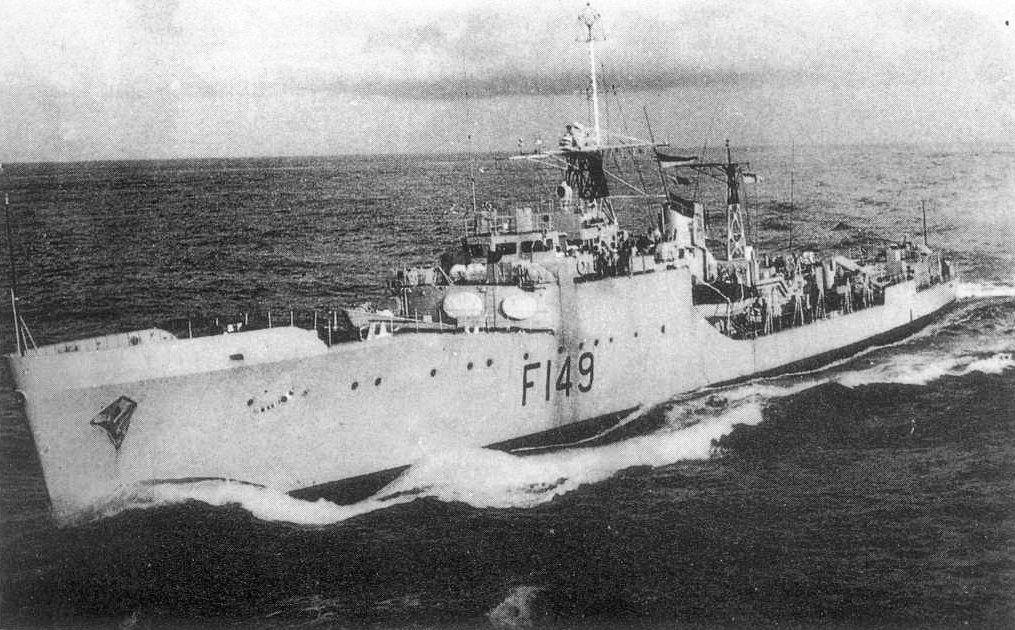
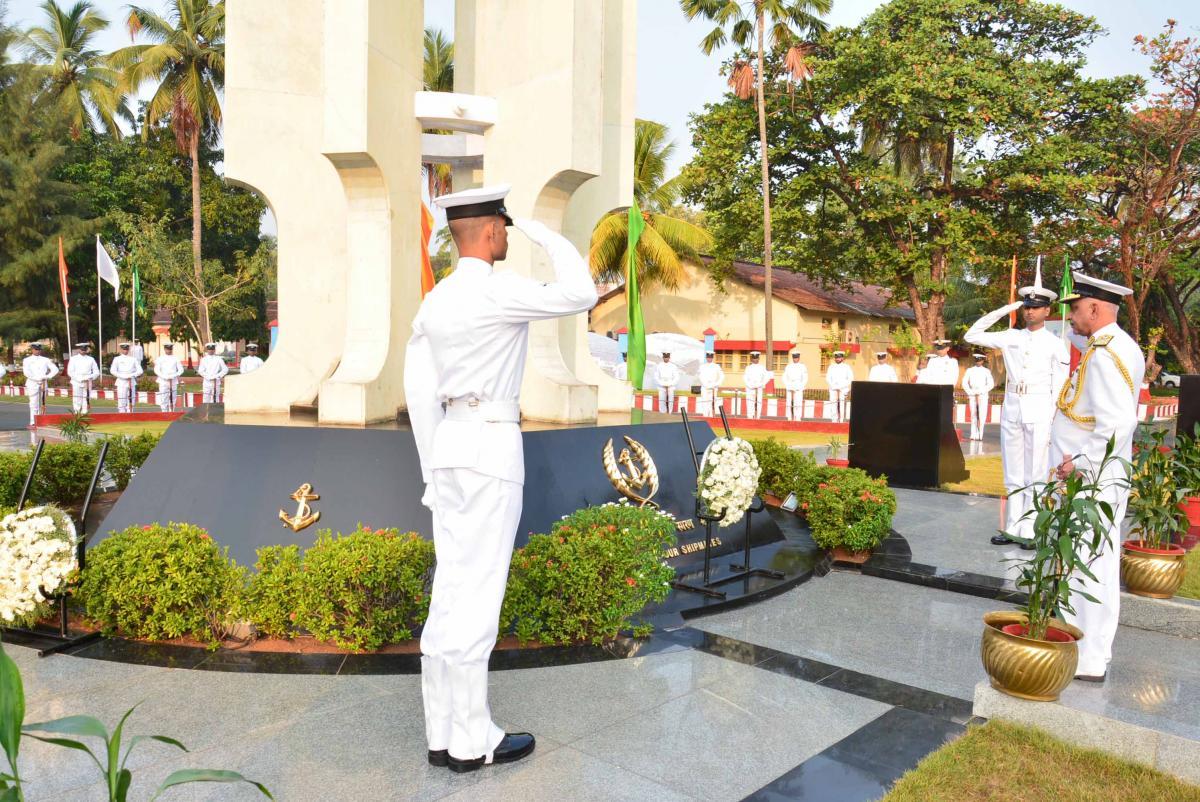
The first INS Khukri was lost off the coast of Diu during the war. Her crew, led by the late Captain Mahendra Nath Mulla, MVC, are remembered at the Khukri Memorial in Diu, where a scaled-down model of the ship is displayed.
A second Khukri, a missile corvette built by Mazagon Dock, was commissioned in Mumbai on 23 August 1989 by Defence Minister K.C. Pant and Sudha Mulla, Captain Mulla's widow. She served in both the Western and Eastern Fleets, was decommissioned on 23 December 2021, and was towed to Diu to be handed over to the Diu administration on 26 January 2022 for development as a museum.
Naval Headquarters and the three commands
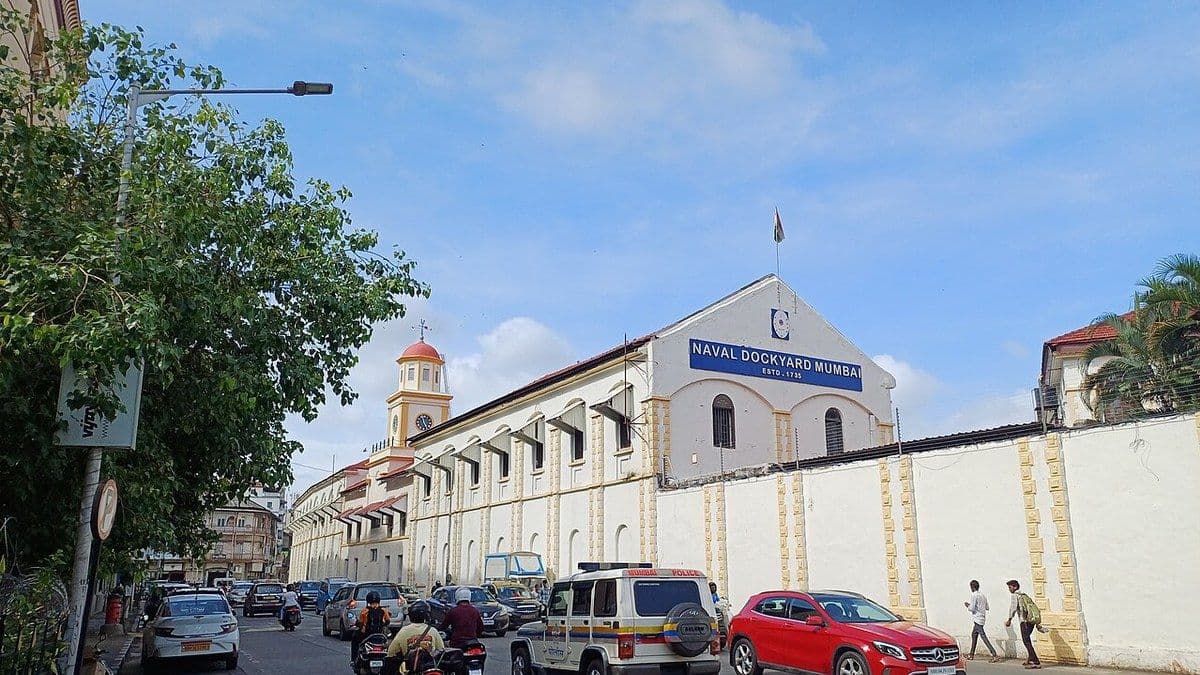
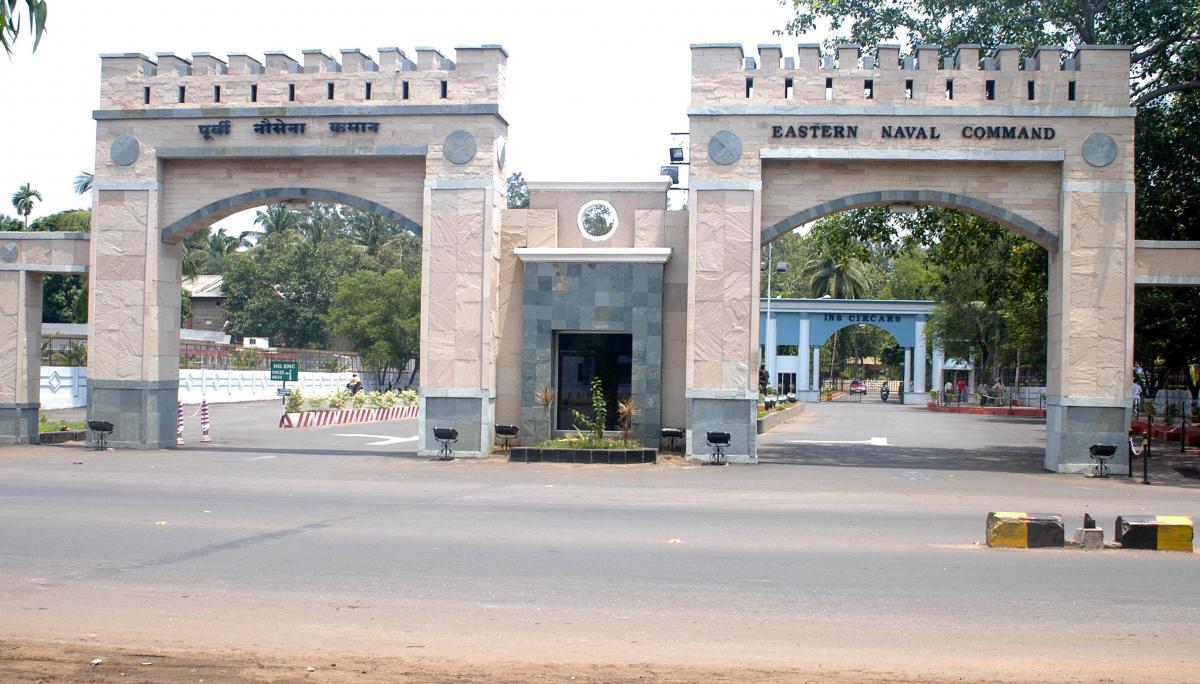
The Navy is administered from Naval Headquarters in New Delhi under the Chief of the Naval Staff, an Admiral. Operationally it is organised into three commands, each under a Flag Officer Commanding-in-Chief: Western at Mumbai, Eastern at Visakhapatnam and Southern at Kochi.
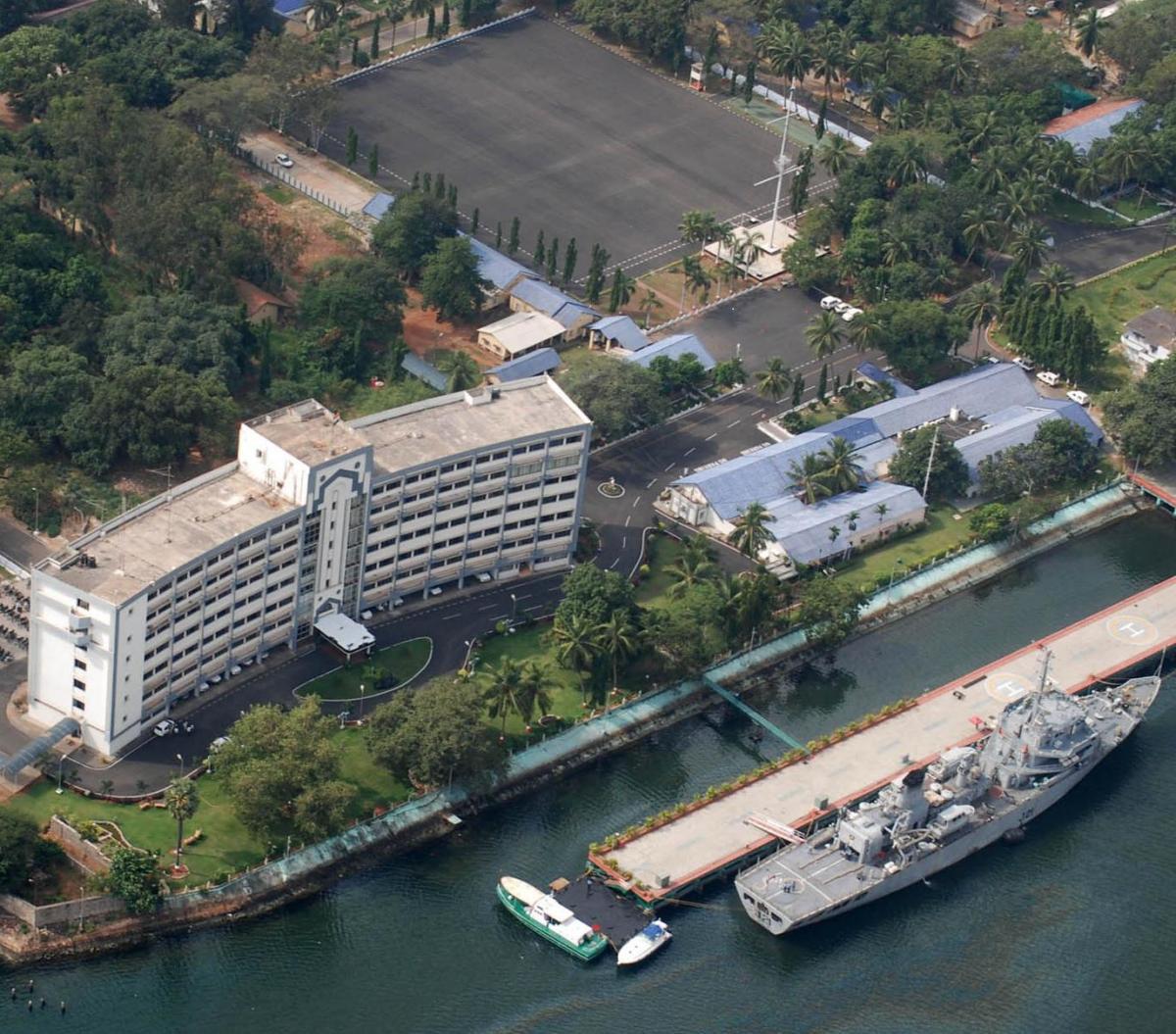
Western and Eastern are the operational commands, each with its own fleet. Southern has been the Training Command since 1 July 1986. The Navy also serves in the tri-service Andaman and Nicobar Command at Port Blair.
Two arms have their own flag officers: the Flag Officer Submarines and the Flag Officer Naval Aviation.
Admiral Krishna Swaminathan assumed charge as the 27th Chief of the Naval Staff on 31 May 2026, succeeding Admiral Dinesh K Tripathi.
Cover image: Indian Navy, GODL-India, via Wikimedia Commons. Resized for this page. https://commons.wikimedia.org/wiki/File:INS_Vikrant_(R11)_and_INS_Vikramaditya_(R33)_during_exercise.jpg
- Indian Navy
- Organisation
Sources
- Genesis of Indian Navy · Indian Navy
- Organisation · Indian Navy
- Leadership · Indian Navy
- Naval Aviation gets President’s Colour: here’s all you need to know of the honour · ThePrint
- Navy Day 2020 at ANC · Press Information Bureau, Ministry of Defence
- Decommissioned 'Khukri' to be handed over to Diu administration – 26 Jan 22 · Press Information Bureau, Ministry of Defence