Naval Air Arm, Indian Navy
Indian naval aviation from the first Sealand of 1951 and INS Garuda of 1953 to the President's Colour presented at INS Hansa in 2021.
Vetnet Editorial
3 min read
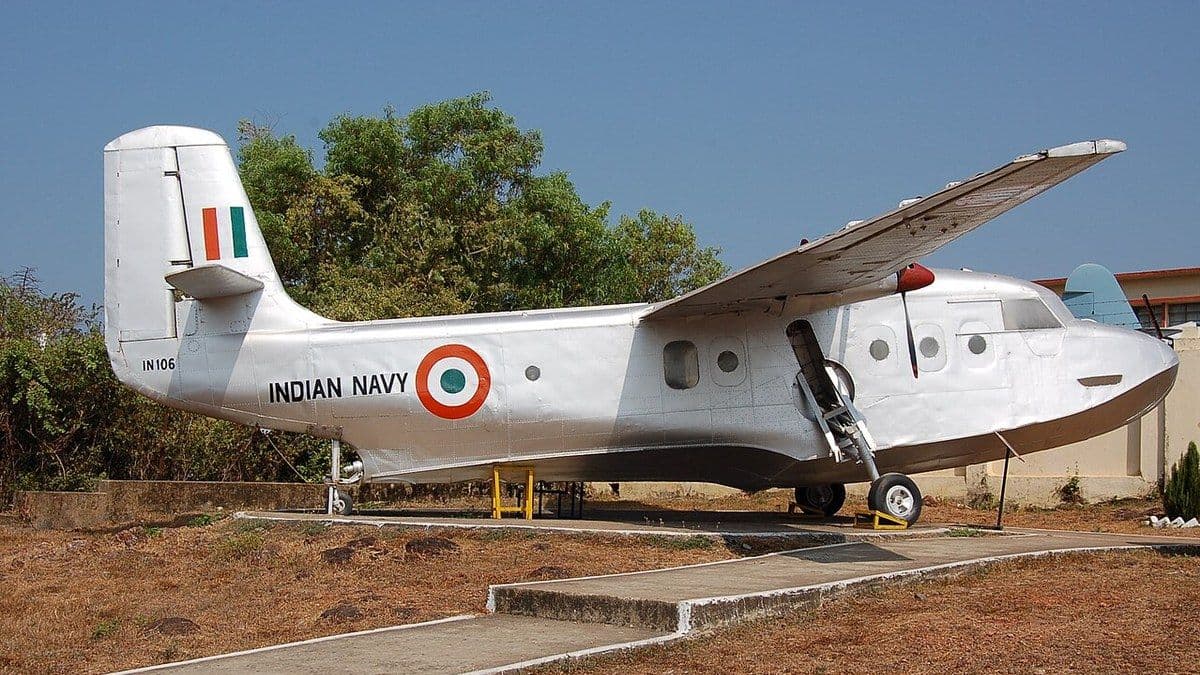
At a glance
- First aircraft
- Sealand, acquired 13 January 1951
- First air station
- INS Garuda, Kochi, commissioned 11 May 1953
- First carrier
- INS Vikrant, commissioned 4 March 1961
- Carriers
- Vikrant (1961-1997), Viraat (1987-2017), Vikramaditya (2013), new Vikrant (2022)
- President's Colour
- 6 September 2021, INS Hansa, Goa
- Strength (2021)
- 9 air stations, 3 naval air enclaves, more than 250 aircraft
The Sealand and INS Garuda
Indian naval aviation began with the acquisition of a Sealand aircraft on 13 January 1951. The Navy's first air station, INS Garuda at Kochi, was commissioned on 11 May 1953, and official statements use either date as the starting point. President Ram Nath Kovind's 2021 address counted from 1953.
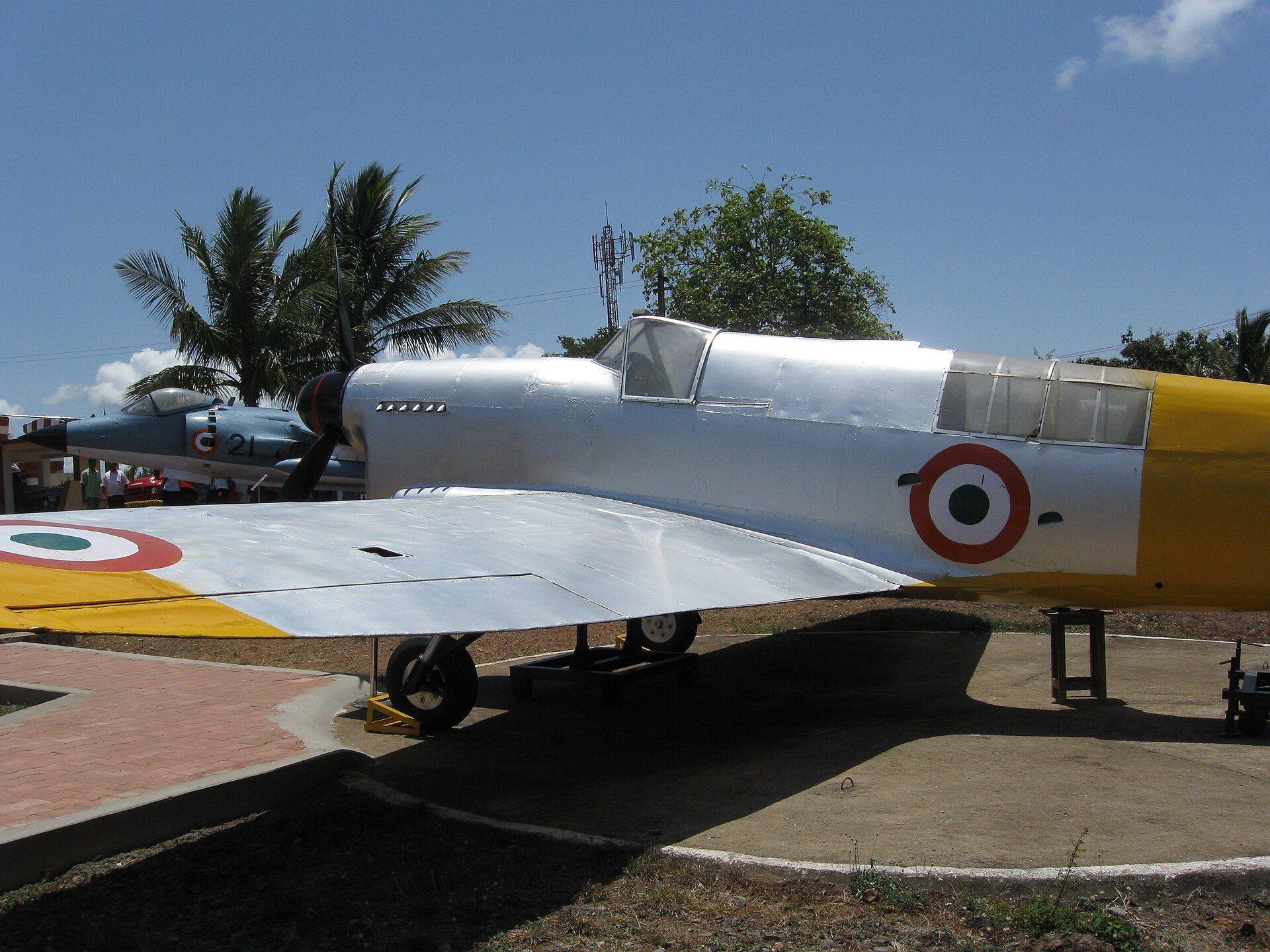
Armed Firefly aircraft arrived in 1958. The next year Indian Naval Air Squadron 550 was commissioned with 10 Sealands, 10 Fireflies and three HT-2s.
Carriers from Vikrant to Vikramaditya
INS Vikrant was commissioned in 1961, with Sea Hawk fighters and Alize anti-submarine aircraft as her integral squadrons. She took part in the liberation of Goa that year. The President's 2021 address also recorded naval aviation's part in the wars of 1962 and 1965.
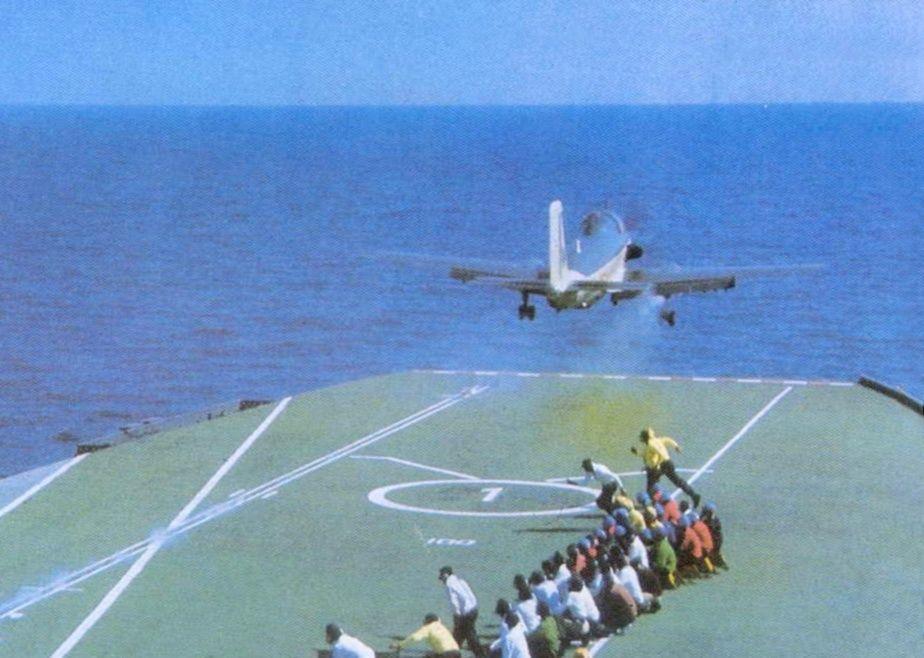
In the 1971 war Vikrant served on the eastern seaboard. Her aircraft and ships of the Eastern Fleet opened attacks on East Pakistan on 4 December, damaging the airfield at Cox's Bazar.
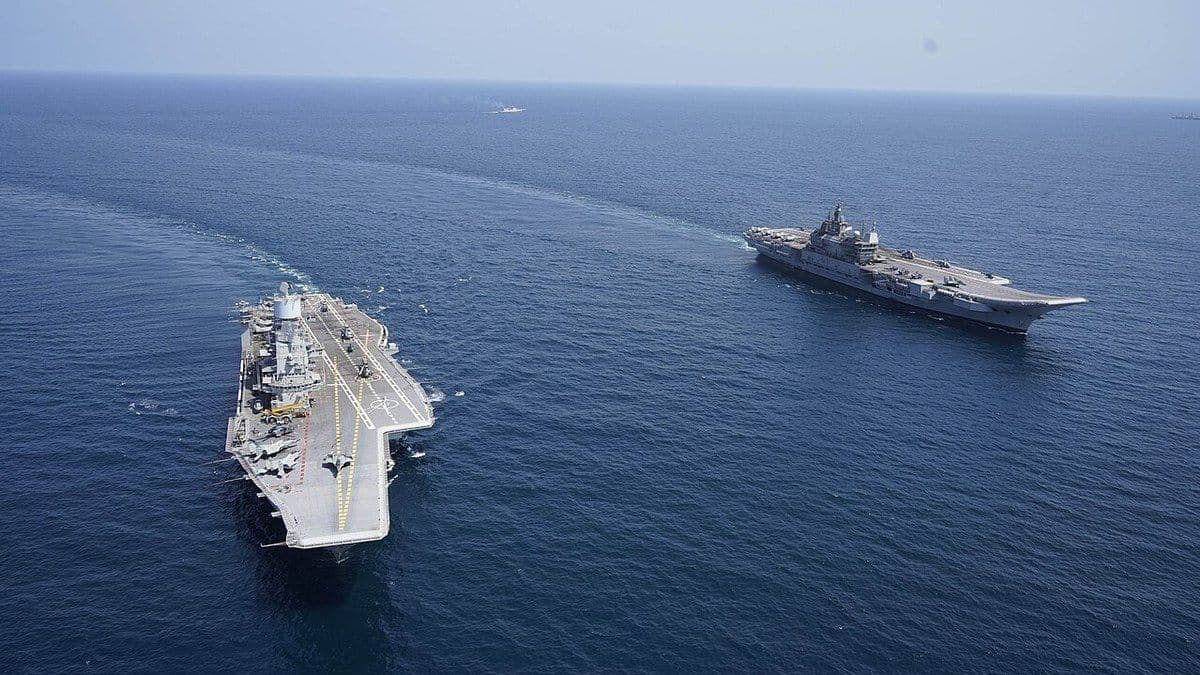
INS Viraat and the Sea Harrier came in the 1980s. MiG-29K fighters followed on INS Vikramaditya, commissioned in 2013.
The carriers, from Hercules to the new Vikrant
The first Vikrant was launched in Britain on 22 September 1945 as Hercules. Her construction stalled, and she was completed after India bought her in 1957. She was commissioned as Vikrant on 4 March 1961 under Captain Pritam Singh Mahindroo, and entered Bombay on 3 November 1961.
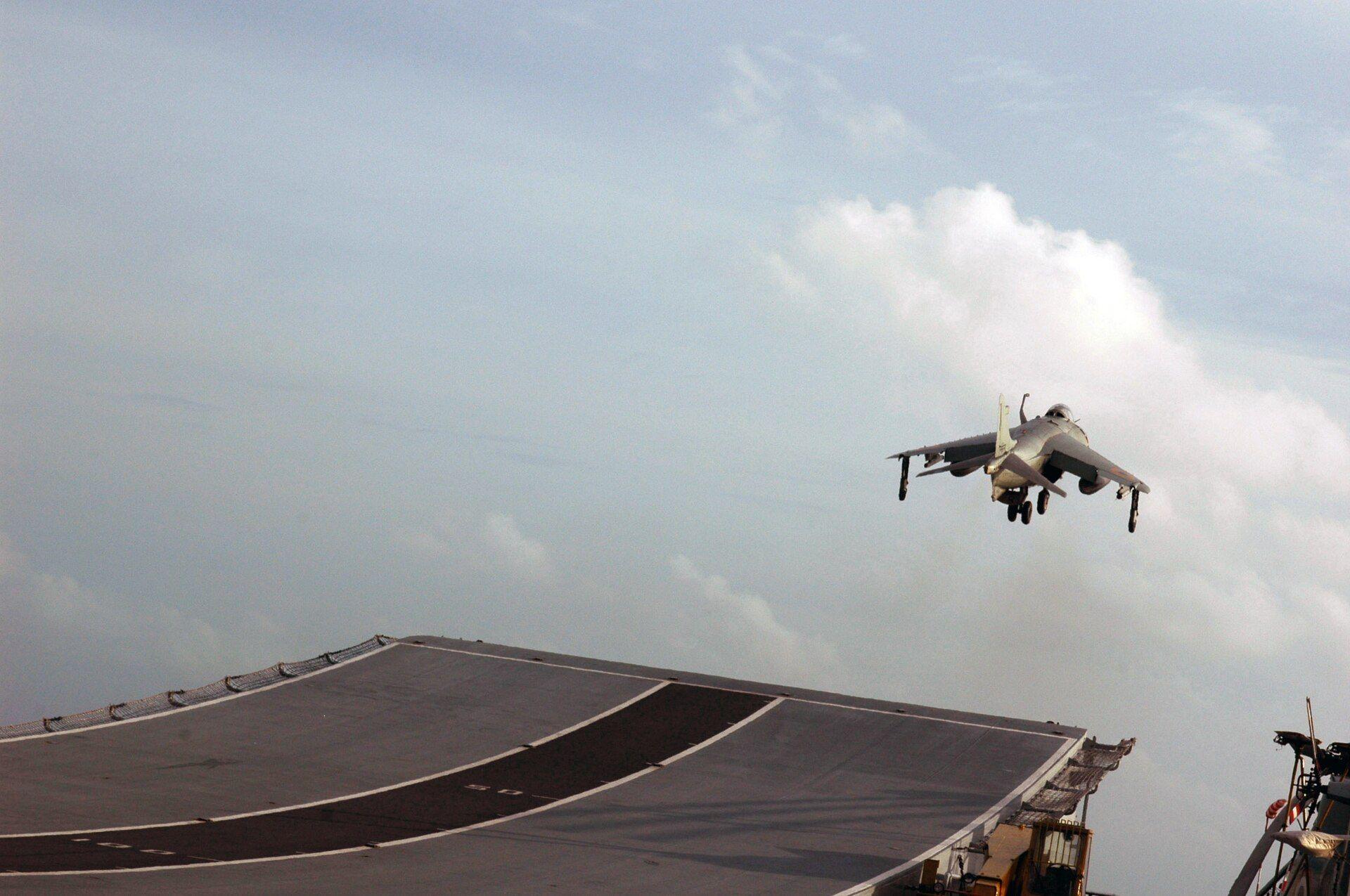
In the 1971 war her Sea Hawks and Alizés struck Chittagong, Cox's Bazar, Khulna and Mongla, damaging ships and harbour installations and putting the runways at Chittagong and Cox's Bazar out of use. With other units of the fleet she enforced a blockade off East Pakistan. She was rebuilt in 1984 as a short take-off and vertical landing carrier for the Sea Harrier, and was decommissioned on 31 January 1997 after 36 years.
INS Viraat had served the Royal Navy as HMS Hermes from 18 November 1959. India acquired her on 24 April 1986 and commissioned her on 12 May 1987. Her deck saw 22,034 hours of flying, and she spent 2,250 days at sea before she was decommissioned on 6 March 2017.
INS Vikramaditya, the refurbished Russian carrier Admiral Gorshkov, was commissioned at Severodvinsk on 16 November 2013. On 2 September 2022 Prime Minister Narendra Modi commissioned a new INS Vikrant, India's first indigenous aircraft carrier, designed by the Navy's Warship Design Bureau and built by Cochin Shipyard. She is named after the 1961 carrier.
Patrol aircraft and the 2021 Colour
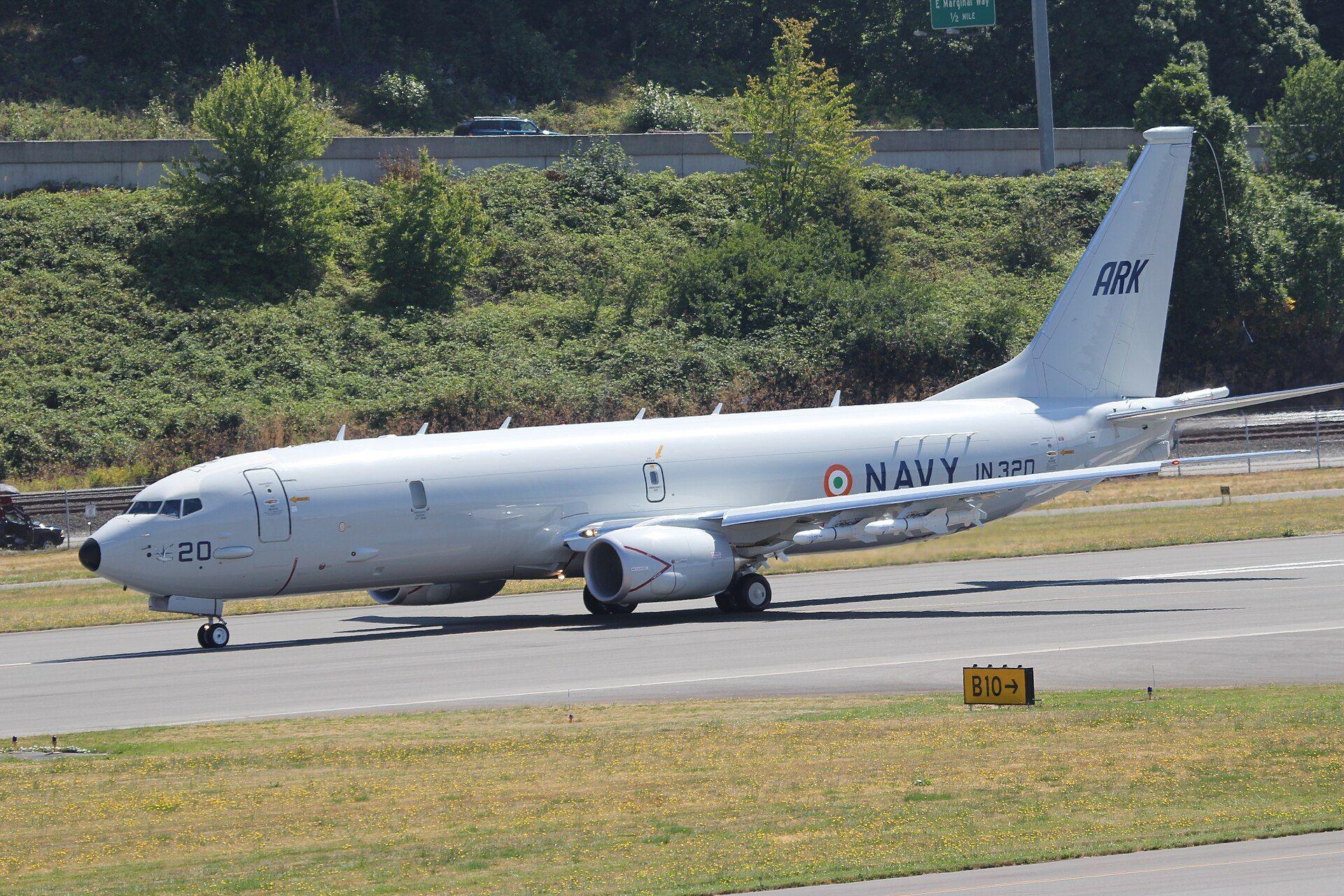
Long-range maritime reconnaissance grew separately. The Navy took the Super Constellation from the Indian Air Force in 1976, then added the IL-38 in 1977, the TU-142M in 1989, the Dornier 228 in 1991 and the Boeing P-8I in 2013.
Helicopter types have included the Alouette, S-55, Sea King, the Kamov 25, 28 and 31, the UH-3H, the Advanced Light Helicopter and the MH-60R.
Naval aviators had by 2021 received one Maha Vir Chakra, six Vir Chakras, one Kirti Chakra, seven Shaurya Chakras and one Yudh Seva Medal, along with many Nao Sena Medals for gallantry.
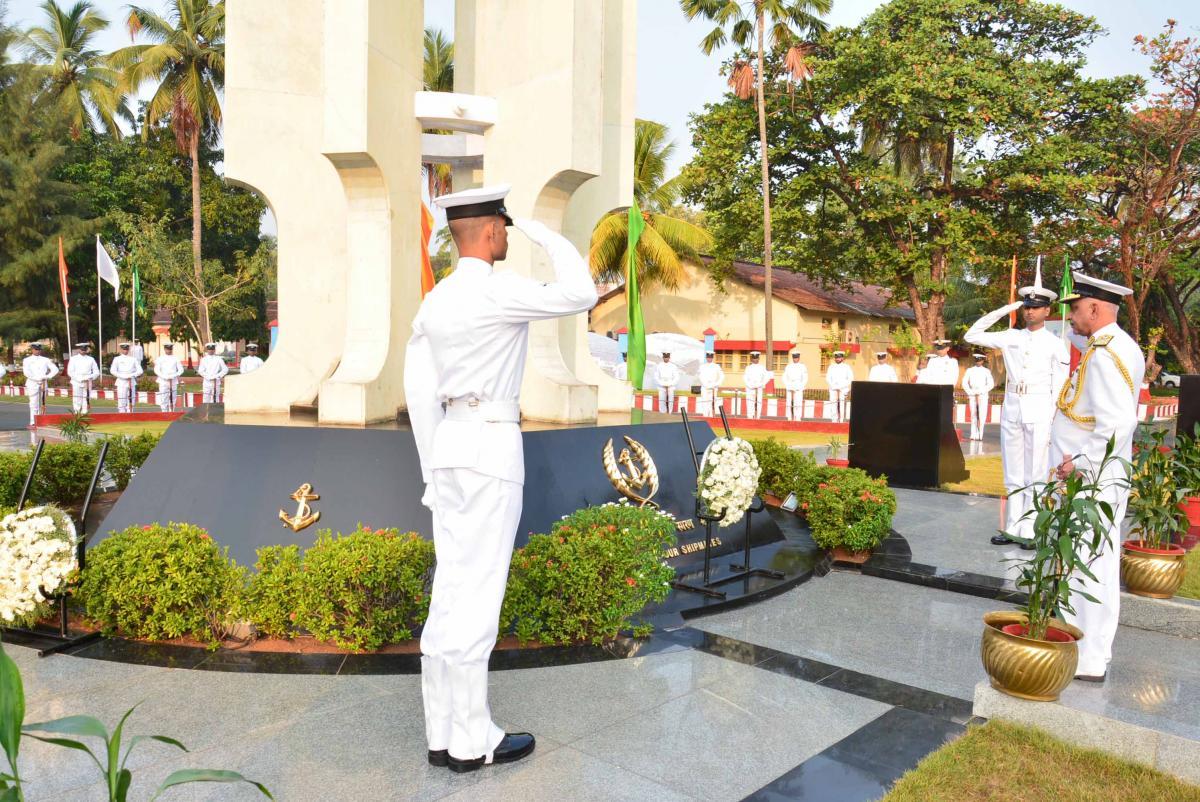
President Kovind presented the President's Colour to Naval Aviation at INS Hansa, Goa, on 6 September 2021. The arm then had nine air stations, three air enclaves and more than 250 aircraft.
Cover image: Alec Wilson from Hampton-in-Arden, UK, CC BY-SA 2.0, via Wikimedia Commons. Resized for this page. https://commons.wikimedia.org/wiki/File:Shorts_SA.6_Sealand_1_preserved_at_the_Indian_Naval_Museum,_Goa,_India.jpg
- Indian Navy
- Naval Aviation
Sources
- MoD: President's Colour to be awarded to Naval Aviation on 6th Sept, 2021 (Ministry of Defence release, republished) · Indian Bureaucracy
- President praises Indian Navy's operations Samudra Setu and Mission Sagar (PIB update, 7 September 2021) · Indian Bureaucracy
- President's Colour to be awarded to Naval Aviation on 6 September: here's all you need to know about Indian Navy's air arm · Swarajya
- Photograph: President Ram Nath Kovind presents the President's Colour to Indian Naval Aviation at INS Hansa, Goa, 6 September 2021 · Rashtrapati Bhavan Digital Photo Library
- The Glorious History of India's Aircraft Carriers · Press Information Bureau