Army Air Defence, Indian Army
Separated from the Regiment of Artillery on 10 January 1994, the Corps of Army Air Defence traces its first battery to Colaba in September 1940.
Vetnet Editorial
3 min read
At a glance
- Separate corps
- 10 January 1994 (separated from the Regiment of Artillery)
- First battery
- 1 Indian Anti Aircraft Technical Training Battery, Colaba, Bombay, September 1940
- Present name
- Corps of Army Air Defence (from April 2005)
- Regimental centre
- Army Air Defence Centre, Gopalpur, Odisha
- Motto
- Akashe Shatrun Jahi (Kill the Enemy in the Sky)
- President's Colours
- 28 September 2019, presented by President Ram Nath Kovind
- Air defence control system
- Akashteer, used in Operation Sindoor, May 2025
Sabres over Kalaikunda and Samba
Lance Naik Madalai Muthu of 104 Air Defence Battery won the Vir Chakra at Kalaikunda on 7 September 1965, when Pakistani Sabres came over the airfield and his gun brought one down, according to the record of 28 Air Defence Regiment. Muthu's corps did not then exist. He belonged to the Regiment of Artillery, as did every air defence gunner until 1994.
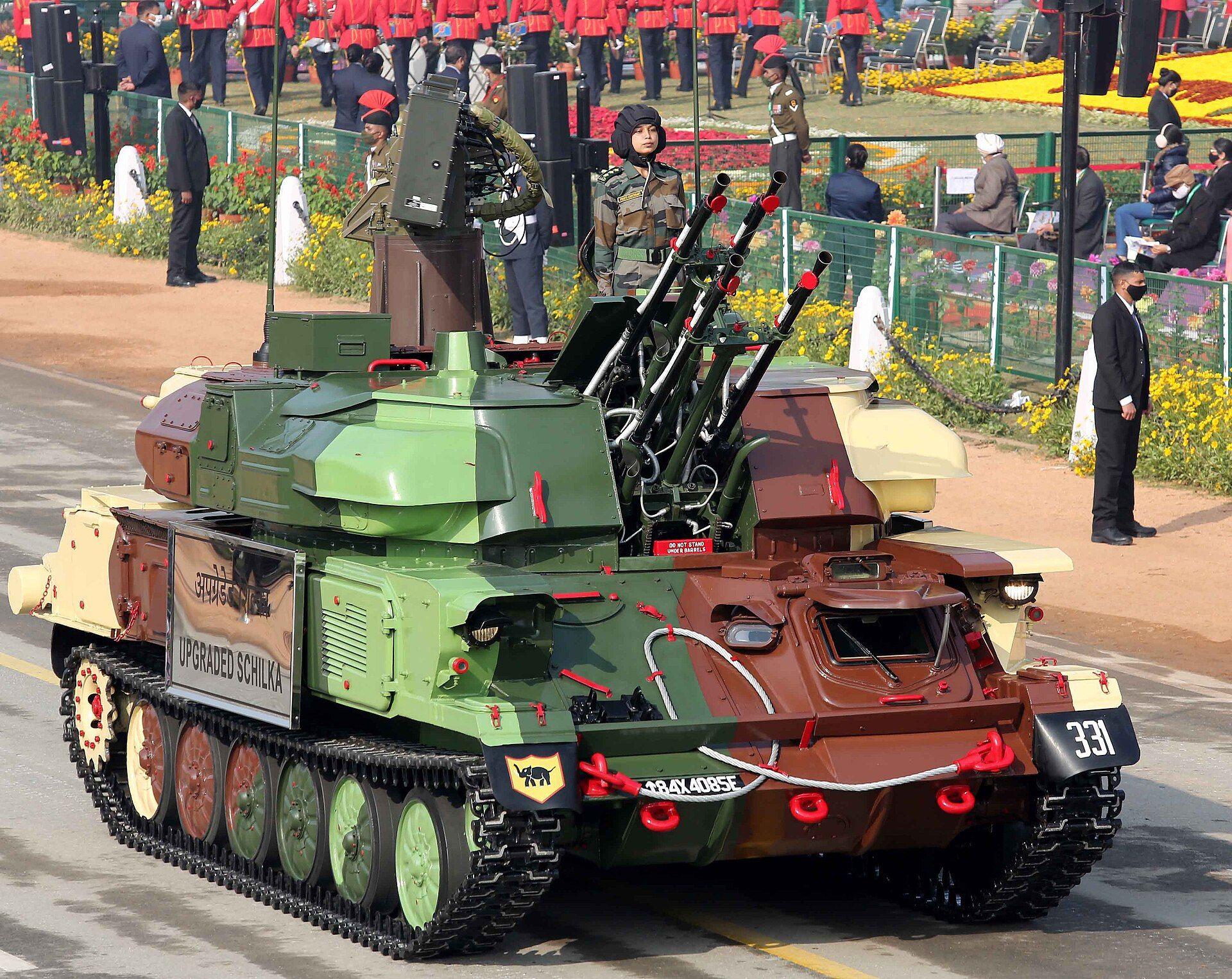
In 1971, 29 Air Defence Regiment protected 1 Corps in the Samba sector. Its own record says it shot down 11 aircraft over the war, five MiG-19s and six F-86 Sabres. Gunner Bhadreshwar Pathak won a posthumous Vir Chakra after hitting a MiG-19 and being fatally wounded the next day while resupplying his gun. Lance Havildar Bal Bahadur won the regiment's second, for two aircraft. These tallies are regimental claims and the dates of the heaviest raids vary within them.
A battery at Colaba
The first unit was 1 Indian Anti Aircraft Technical Training Battery, raised at Colaba in Bombay in September 1940. Official records cited by ThePrint give 15 September, while the Army's website has given the 14th. In the Second World War the arm fought in the Burma campaign, at Imphal and Kohima, and in Arakan, Malaya, Bahrain, Iraq and Persia. Its wartime awards included four Military Crosses and seven Indian Distinguished Service Medals.
Gopalpur, 28 September 2019
The Corps of Air Defence Artillery came into being on 10 January 1994, and in April 2005 it took its present name. The question of which date to keep has not gone away. In August 2020 ThePrint reported that the raising day would move to 15 September, to recognise the Second World War origin. The corps nonetheless marked its 32nd Corps Day on 10 January 2025.
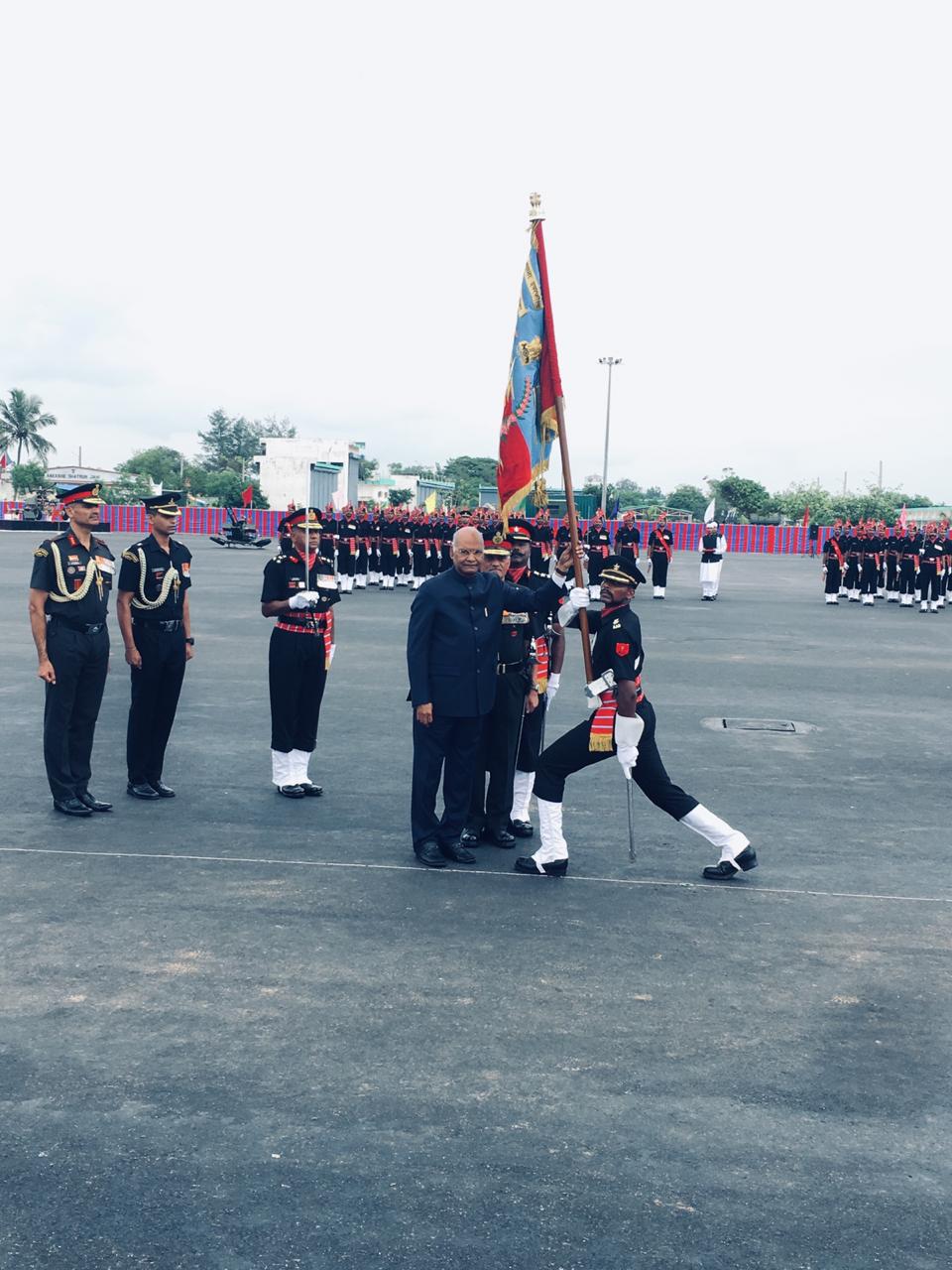
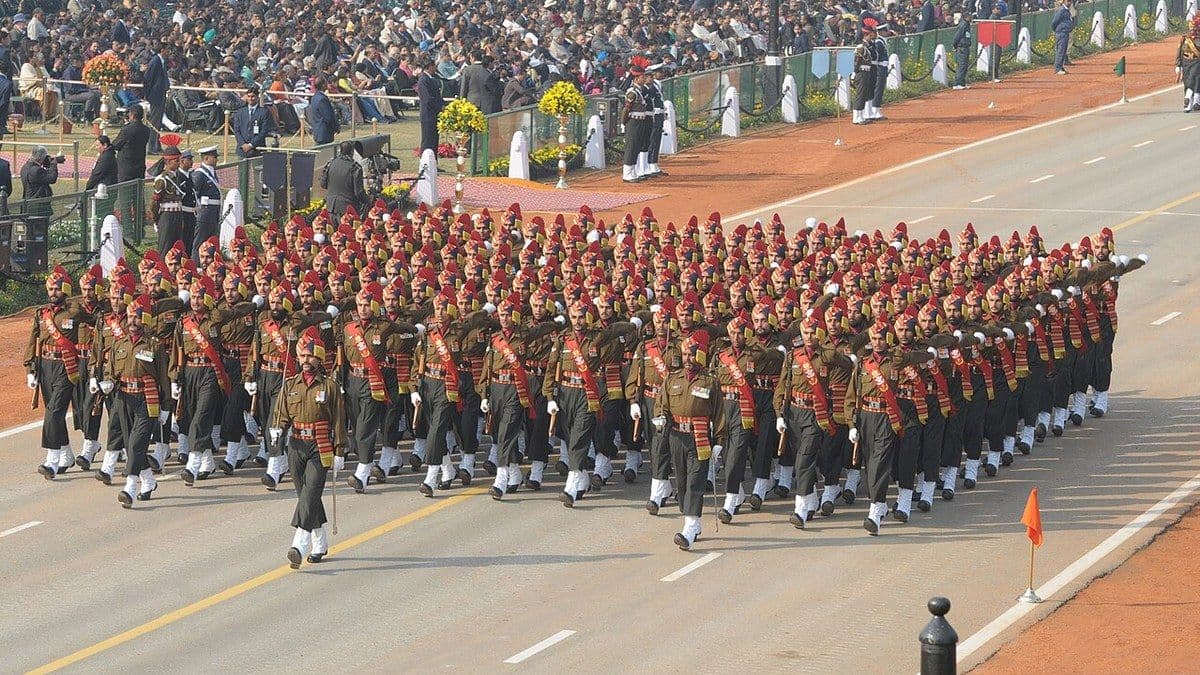
President Ram Nath Kovind presented the President's Colours at Gopalpur on 28 September 2019. The Army Air Defence Centre, on 2,700 acres, received them for the corps. Reports of the ceremony gave the corps' tally as two Ashoka Chakras, two Kirti Chakras, 20 Vir Chakras, nine Shaurya Chakras, 113 Sena Medals and 55 Mentions in Despatches.
Akashteer and May 2025
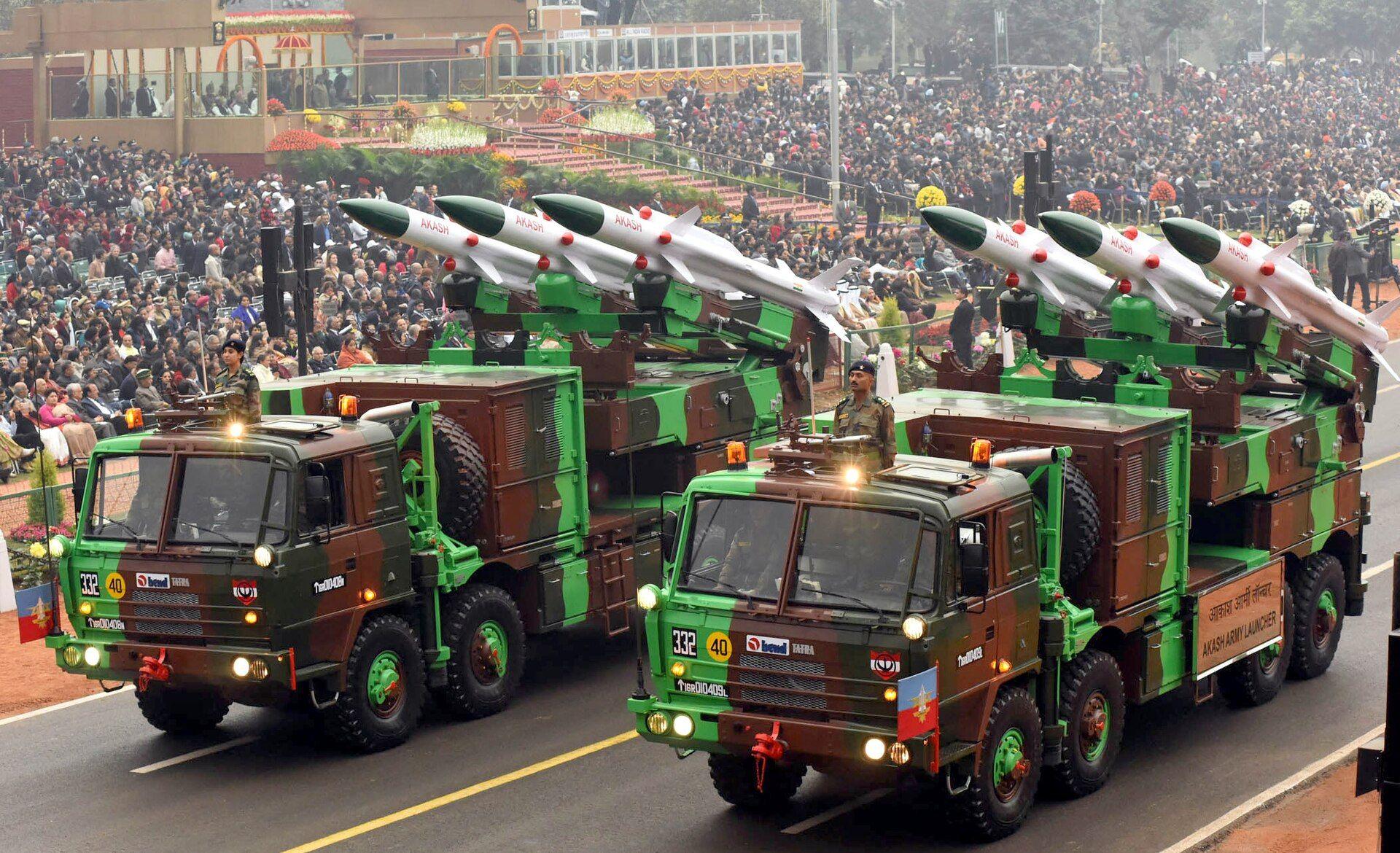
Akashteer is the Army's automated air defence control and reporting system, developed in India. The Press Information Bureau describes it as the core of the Army's air defence. It combines the pictures from several sensors, among them the REPORTER tactical control radar, 3D tactical control radars, the Low-Level Lightweight Radar and the radar of the Akash weapon system, and gives the control room, the radars and the guns one real-time air picture.
The system is mounted on vehicles, so it can move with the formations it protects. It links to the Indian Air Force's IACCS and the Navy's Trigun networks. The government says this lowers the risk of friendly fire when the services engage targets in the same airspace.
On the night of 9 to 10 May 2025, during Operation Sindoor, Pakistan launched missiles and drones at Indian military and civilian areas. In a release of 16 May 2025, the government said Akashteer had intercepted and neutralised every inbound projectile.
At a glance
- Raised: 10 January 1994 (as a separate corps); first anti-aircraft battery raised in September 1940
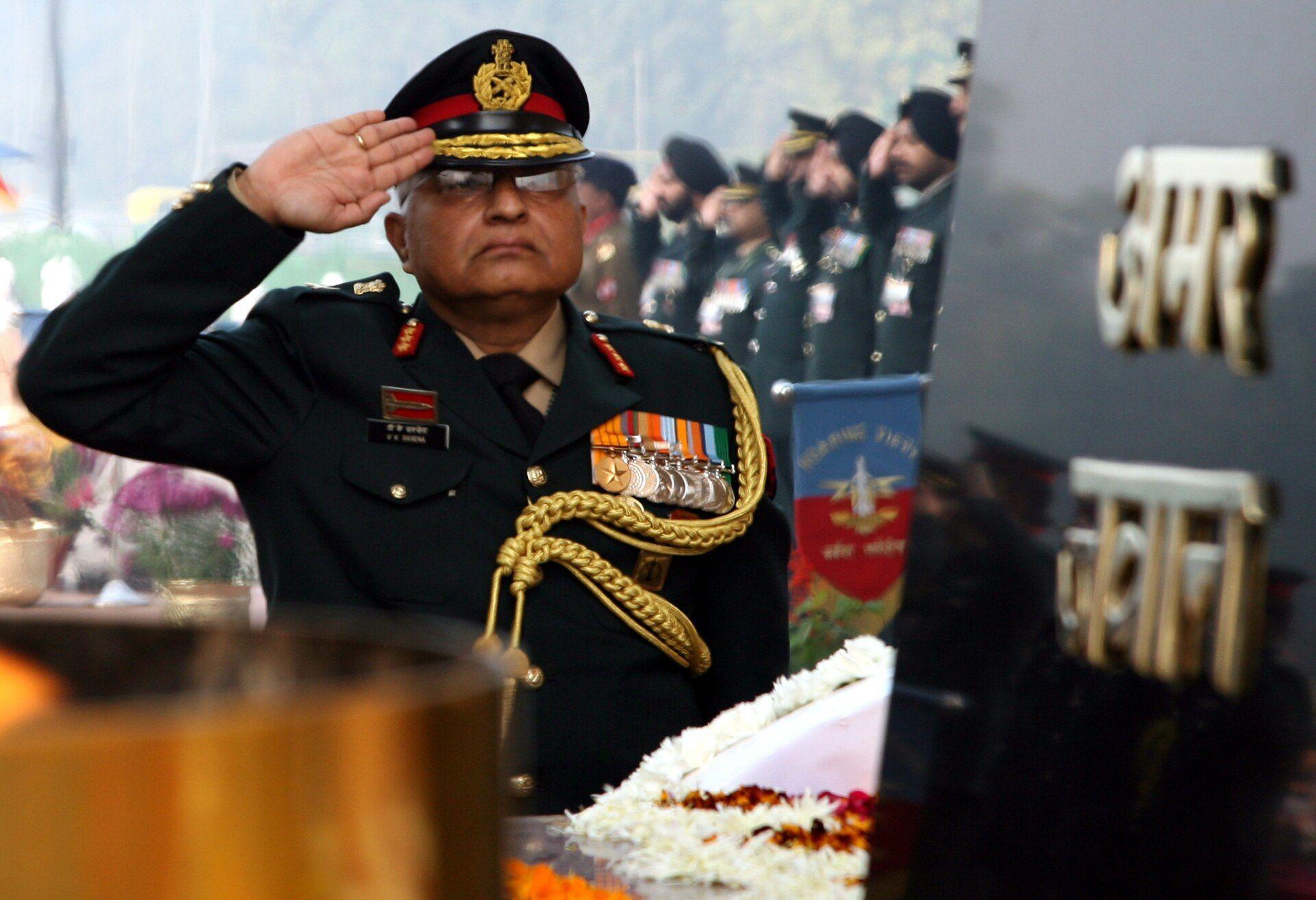
- Regimental centre: Army Air Defence Centre, Gopalpur, Odisha
- Motto: Akashe Shatrun Jahi (Kill the Enemy in the Sky)
Cover image: Jean-Paul GIBERT, Public domain, via Wikimedia Commons. Resized for this page. https://commons.wikimedia.org/wiki/File:Army_Air_Defence_Corps_Insignia_%28India%29.svg
- Indian Army
- Air Defence
- Corps of Army Air Defence
Sources
- President of India presents Colours to Corps of Army Air Defence · President's Secretariat, Rashtrapati Bhavan
- MoD | President of India awards Colours to Corps of Army Air Defence (PIB release reproduced) · Indian Bureaucracy (reproducing Press Information Bureau)
- Corps of Army Air Defence raising day to change to 15 September to recognise WW-II origin · ThePrint
- Army Air Defence changes raising day · The Tribune
- Pune: Corps of Army Air Defence celebrates 31st Raising Day · Pune Pulse
- Akashteer: The Unseen Force Behind India’s New War Capability (16 May 2025) · Press Information Bureau, Government of India