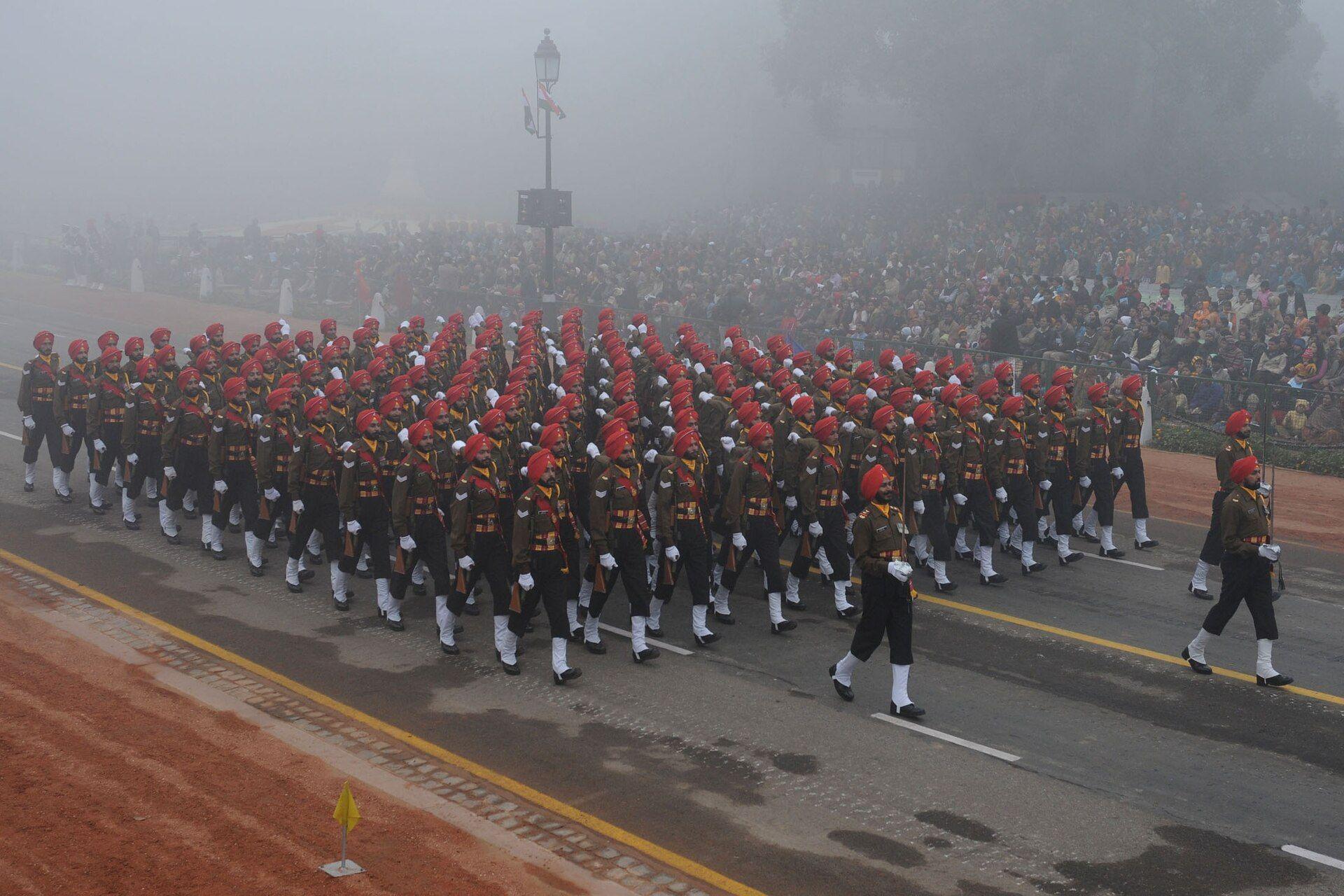
Lieutenant Colonel Shanti Swarup Rana, Ashoka Chakra
Lt Col Shanti Swarup Rana of 13 Rashtriya Rifles was killed destroying militant hideouts in the Haphruda forest, Kupwara, on 2 November 1996.
Vetnet Editorial
2 min read

At a glance
- Award
- Ashoka Chakra (posthumous)
- Unit
- 13 Rashtriya Rifles (parent battalion 3 Bihar)
- Date of action
- 2 November 1996
- Place
- Haphruda forest, Kupwara district
- Born
- 17 September 1949, Badla, Hoshiarpur, Punjab
- Commissioned
- 11 June 1977
- Memorial
- Park and statue, Rajiv Vihar, Manimajra, Chandigarh
Five bunkers in the Haphruda forest
On 2 November 1996, Lieutenant Colonel Shanti Swarup Rana, serving with 13 Rashtriya Rifles, took a force into the Haphruda forest in Kupwara district with orders to destroy two militant camps. He found four fortified hideouts holding arms, ammunition and explosives, and they were destroyed.
A fifth, better hidden bunker then opened heavy fire. Rana organised his troops, crawled to it and threw grenades inside. Two men ran out firing and he killed both. Fire from another position then wounded him seriously. He kept directing and encouraging his men. When another militant advanced on them, he charged and killed him at close quarters, taking fatal wounds in the exchange.
Six years in the ranks
Rana was born on 17 September 1949 at Badla in Hoshiarpur district, Punjab, the youngest in a family of four brothers and three sisters. He enlisted in the Corps of Signals and was later selected for the Army Cadet College at Dehradun. His profile records six years in the ranks. He was commissioned into 3 Bihar on 11 June 1977, took part in Operations Rhino, Pawan and Rakshak, and became a lieutenant colonel in 1994. Sources disagree on one posting: his Wikipedia entry also places him as second-in-command of 24 Rashtriya Rifles, while his profile gives 13.
What the citation recorded
Summary, not the official text: the award recorded the operation of 2 November 1996 in the Haphruda forest, Kupwara district. He destroyed fortified hideouts, grenaded a further bunker and killed two men who came out of it. Seriously wounded by fire from another position, he went on to kill a third man at close quarters and died of his wounds.
The family and the park at Manimajra
Rana married Savita in 1980, and they had a daughter and a son. Speaking to The Times of India in August 2025, she said their daughter was 15 and their son 13 when he was killed, and that during his 19 years of service he had served in Operation Pawan in Sri Lanka and Operation Rakshak in Jammu and Kashmir. She had been a teacher and gave up the profession after his death.
The family lived in Army accommodation for a year and then rented a house in Panchkula for two more. On the recommendation of the Army Chief they were later given a flat under the discretionary quota in Rajiv Vihar, Manimajra, in Chandigarh. The Rajiv Vihar society has developed a park in his name, and a statue of him has been installed in its central park. In 2025 there was a proposal to name his school in Dasuya town after him, and Savita Rana was among 12 Veer Naris and dependants whom the Chandigarh administration was to honour at its Independence Day function that year.
- Indian Army
- Ashoka Chakra
- 3 Bihar / 13 Rashtriya Rifles
Sources
- Ashok Chakra – Our Heroes · Indian Army
- Lt Col Shanti Swarup Rana AC · Honourpoint
- Shanti Swaroop Rana · Wikipedia
- A jawan who became officer and then an army legend · The Times of India