Squadron Leader Rakesh Sharma, Ashoka Chakra
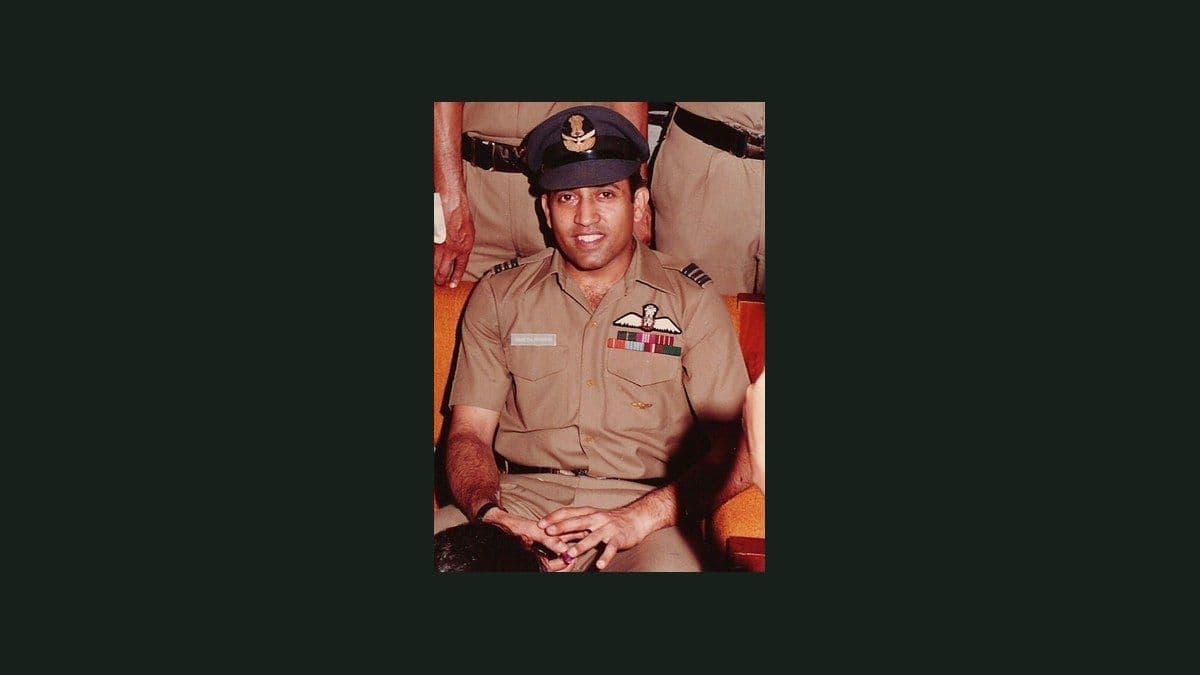
Squadron Leader Rakesh Sharma became the first Indian to orbit in space aboard Soyuz T-11 on 3 April 1984, and received the Ashoka Chakra.
Vetnet Editorial
4 min read
At a glance
- Award
- Ashoka Chakra (effective 3 April 1984)
- Service number
- 12396, Flying (Pilot)
- Mission
- Soyuz T-11 to Salyut 7, 3 to 11 April 1984
- Time in space
- 7 days, 21 hours, 40 minutes
- Born
- 13 January 1949, Patiala
- Retired
- Wing Commander, 30 June 1990
- Commissioned
- 13 June 1970
- After the flight
- Chief Test Pilot, HAL Nasik Division
Baikonur, 3 April 1984
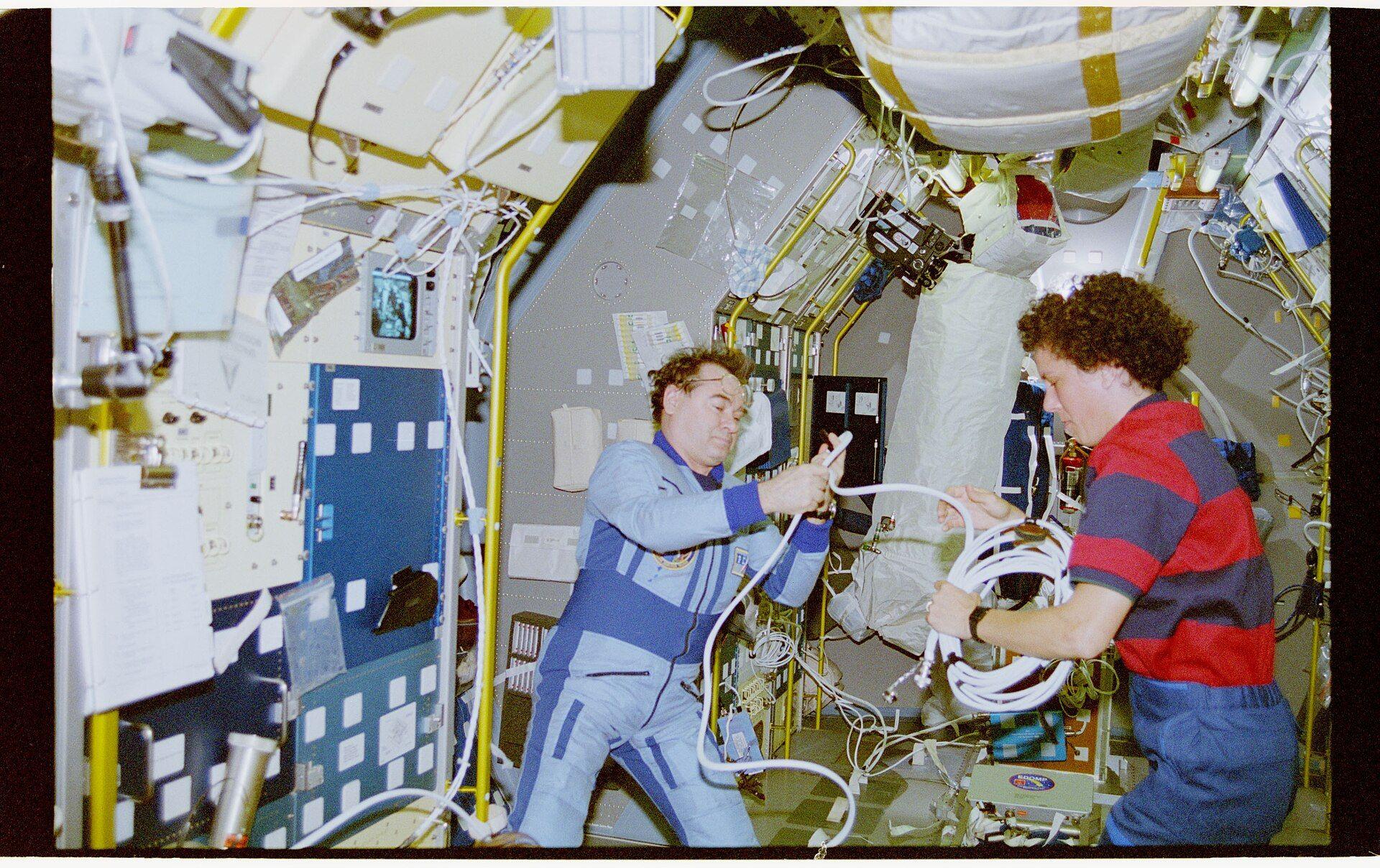
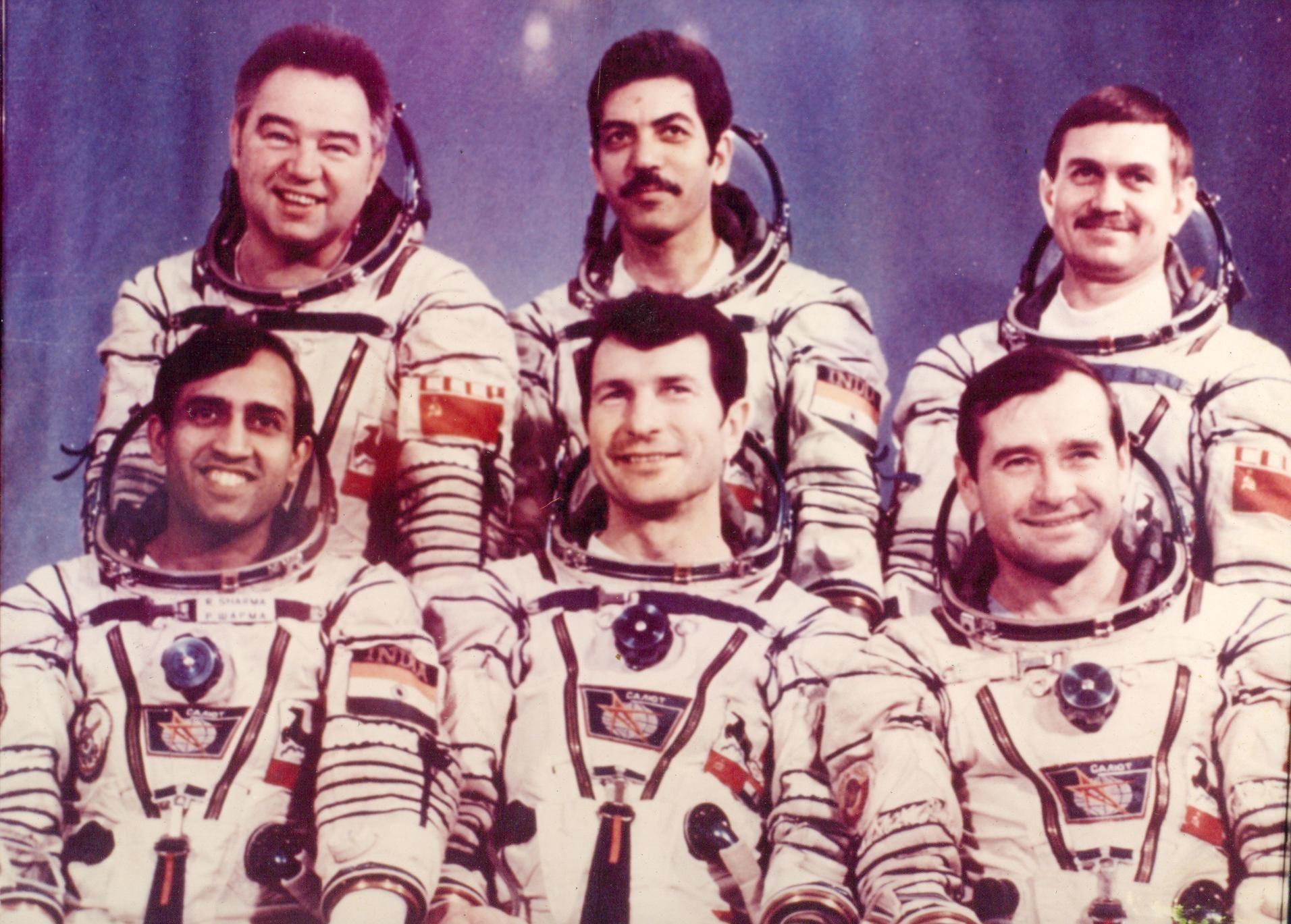
Soyuz T-11 lifted off from Baikonur on 3 April 1984 with Squadron Leader Rakesh Sharma as research cosmonaut, Yuri Malyshev in command and Gennady Strekalov as flight engineer. Sharma became the first Indian to orbit in space.
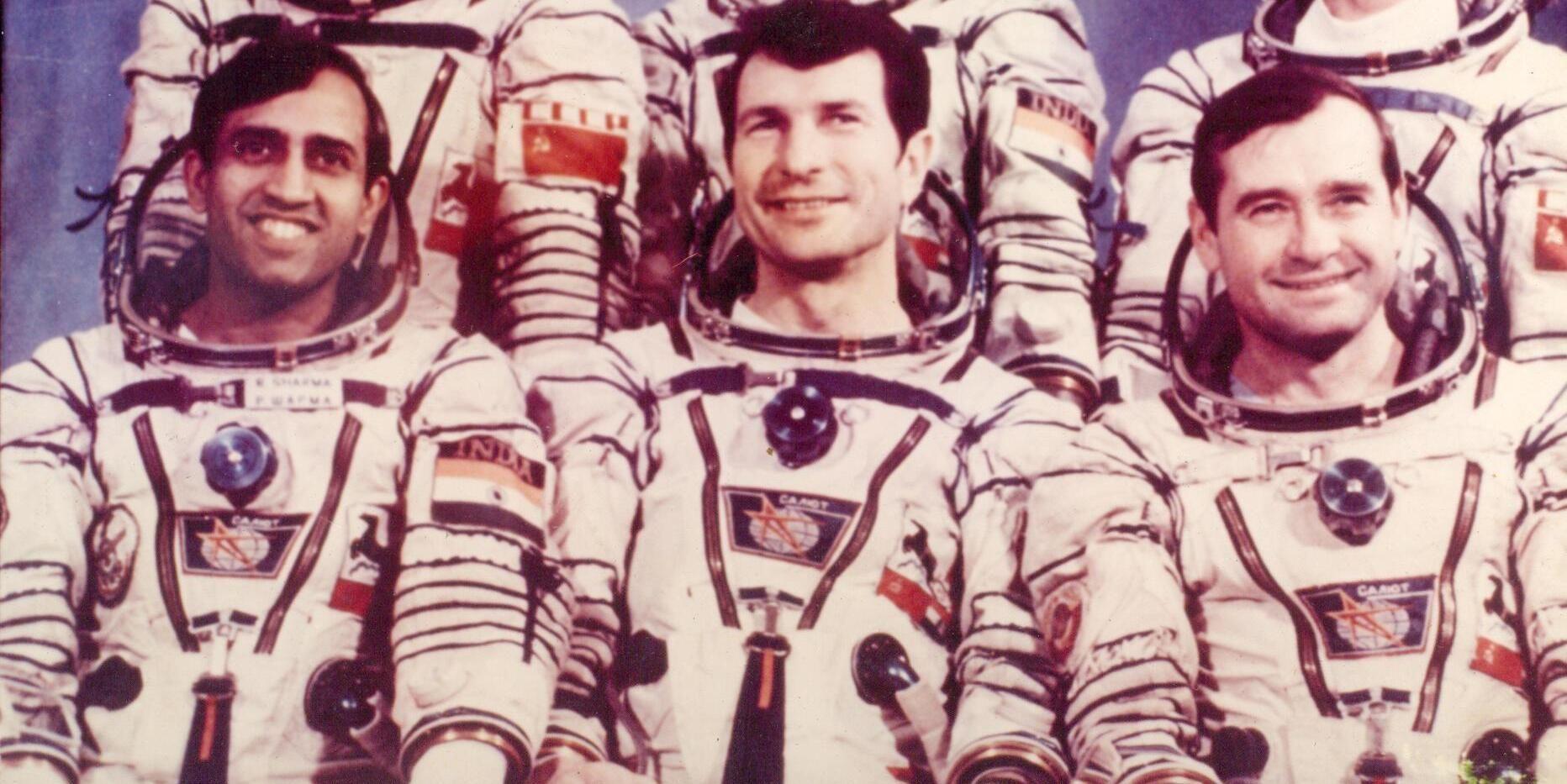
The crew docked with Salyut 7. Published accounts say Sharma's team carried out 43 experimental sessions, mainly in biomedicine and remote sensing. He landed on 11 April after 7 days, 21 hours and 40 minutes.
Saare jahan se achha
During the mission Sharma spoke to the Prime Minister, Indira Gandhi, over a live link. Asked how India looked from up there, he answered 'Saare jahan se achha', a line from Muhammad Iqbal's poem. Speaking to Outlook years later, he said the answer was not rehearsed: the crew could not see her, it was only a voice channel, and nobody had told them about the call in advance. 'I was certainly nervous,' he said.
He has been modest about what the flight achieved. He told Outlook it was 'a hugely symbolic event', said he might have reacted differently had he gone up on an ISRO launch, and explained that he never wrote an account of the flight, though publishers approached him.
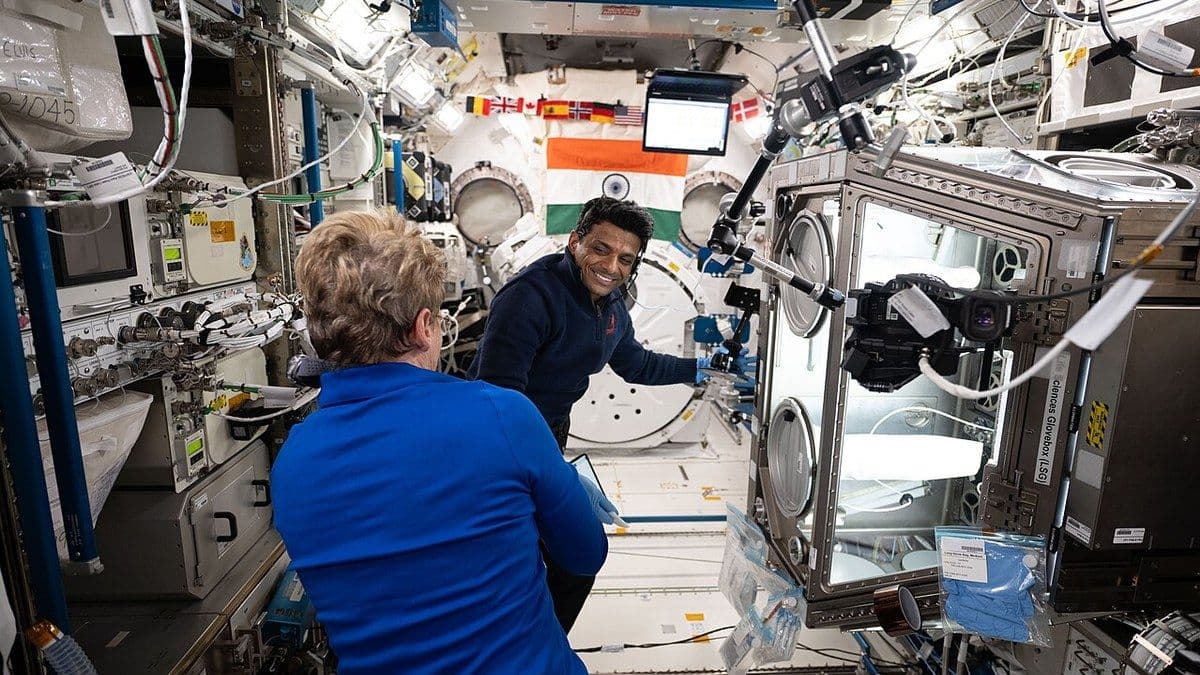
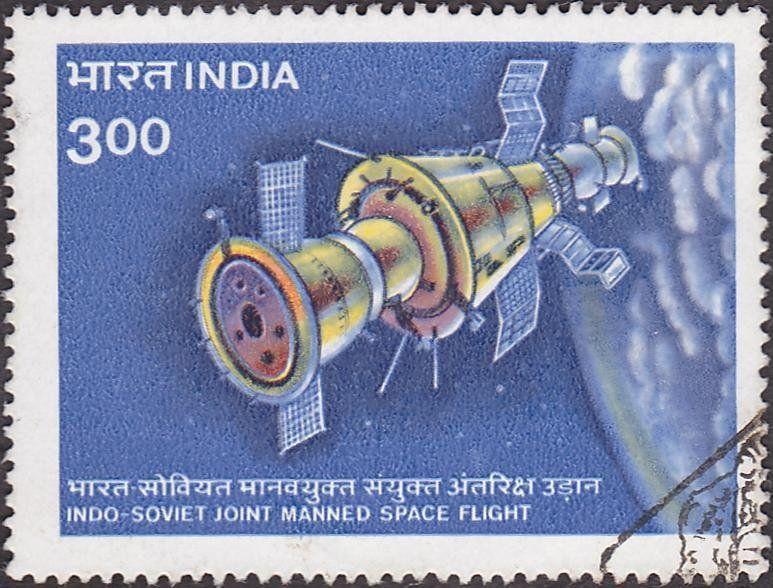
The flight made India the 14th nation to send a person into space. On its 40th anniversary, 3 April 2024, the Indian Air Force marked the day with a tribute that linked his flight to India's Gaganyaan mission.
One of 150 Pilots
The flight was the end of a two-year process. When India and the Soviet Union decided in January 1982 to send an Indian into space, Sharma volunteered. He was picked as one of two candidates from among 150 Indian Air Force pilots, then trained at the Yuri Gagarin Centre in the USSR.
The official record lists him as service number 12396 of 14 Squadron, with domicile at Secunderabad. Published accounts give his birthplace as Patiala and his birth date as 13 January 1949. He later retired as a Wing Commander.
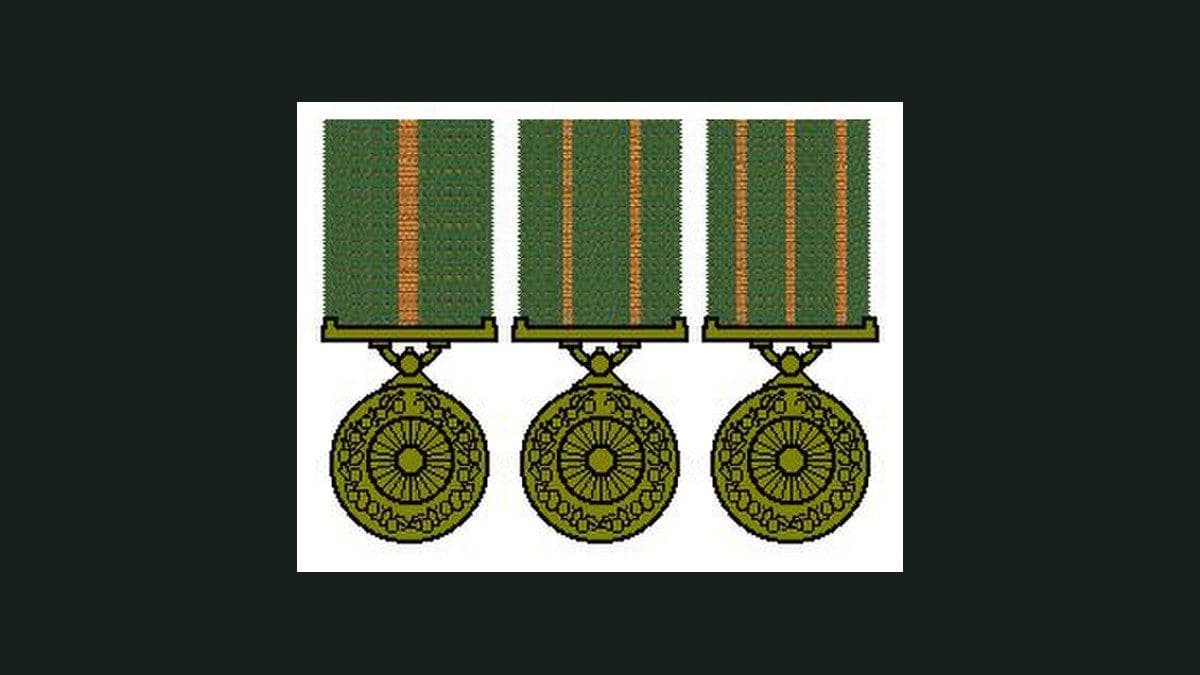
Besides the Ashoka Chakra, Sharma was made a Hero of the Soviet Union. His Ashoka Chakra was notified under No. 57-Pres/85, dated 7 May 1985, with effect from 3 April 1984.
Test pilot
Bharat Rakshak's service record shows that he came from the 35th course of the National Defence Academy and was commissioned on 13 June 1970. He was promoted Flying Officer on 13 June 1971. His branch is recorded as Flying (Pilot), originally General Duties (Pilot). He trained as a test pilot; the record lists the 3rd Experimental Test Pilots' course against 30 November 1979.
After the space flight he flew for Hindustan Aeronautics Limited. The record shows him as Chief Test Pilot at its Nasik Division from October 1987, and again from April 1990 until he took voluntary retirement on 30 June 1990.
Outlook later found him living in the hills beyond the Wellington cantonment, and described him as a fighter and test pilot all his life.
The citation
SQUADRON LEADER RAKESH SHARMA (12396) FLYING( PILOT) (Effective date of award – 3rd April 1984)
In January, 1982, when it was decided that an Indian would go into space on a Soviet space ship, Sqn Ldr Rakesh Sharma volunteered for this very challenging mission. After a very rigorous selection process, which included a most exacting medical test, he was selected as one of the two cosmonaut candidates from among 150 highly qualified and experienced pilots of the Indian Air Force. After his selection, he underwent training as a cosmonaut at YURI GAGARIN CENTRE in the USSR, where he applied himself with total devotion and dedication and won acclaim from Soviet Space experts. Sqn Ldr Rakesh Sharma completed a most arduous training schedule, with distinction and with exceptional professionalism.
On the 3rd April, 1984 Sqn Ldr Rakesh Sharma became the first Indian to orbit in space. He carried out all the scientific experiments planned for the joint Indo-Soviet Space Mission and other tasks assigned to him with great facility and excellence. Sqn Ldr Sharma not only has carved out a place for himself in the space roll of honour but has brought glory and credit to the nation.
Squadron Leader Rakesh Sharma has thus displayed most conspicuous daring and courage to become the first Indian to go into space.
Source: Ministry of Defence gallantry awards record. Reproduced as printed, including any errors in the original.
Cover image: Subhav Sharma, Public domain, via Wikimedia Commons. Resized for this page. https://commons.wikimedia.org/wiki/File:Rakesh_Sharma.jpg
- Indian Air Force
- Ashoka Chakra
- Soyuz T-11
Sources
- Service Record for Wing Commander Rakesh Sharma 12396 · Bharat Rakshak
- Rakesh Sharma: astronaut biography · Spacefacts
- Rakesh Sharma: Our First Space Man · India Today
- Feet On The Ground · Outlook
- OTD: When Rakesh Sharma Said 'Sare Jahan Se Achcha' From Outer Space · ETV Bharat