Honoring Their Sacrifice Beyond Service: A Call for Veteran Career Support
Pranesh Rajan
March 21, 2025
Overview
Veterans in India often face an uncertain career path after service. VetNet.Social is bridging the gap by providing exclusive job listings, networking opportunities, and resume-building support through Career Compass. However, a larger national effort—including government policies, corporate hiring mandates, and upskilling programs—is essential to ensure that Agnipath recruits, SSC officers, and all veterans find meaningful careers post-service.
Honoring Their Sacrifice Beyond Service: A Call for Veteran Career Support
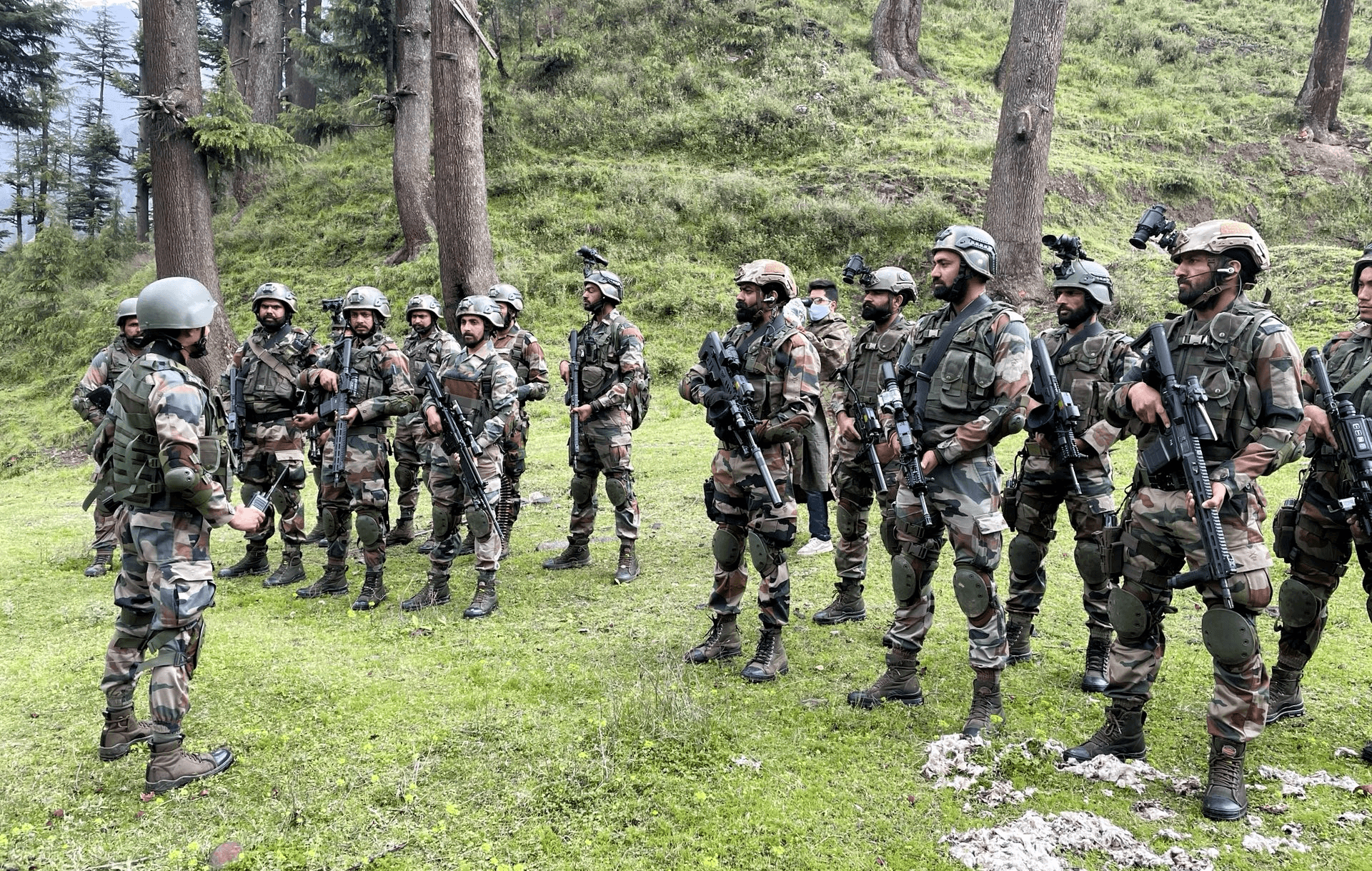
Indian soldiers dedicate their youth, strength, and unwavering commitment to protecting the nation. Their sacrifices on the battlefield are celebrated, yet when their service concludes, many are left to navigate the civilian world alone, without structured career support. The transition from military to corporate or government roles must not be an afterthought—it should be an integral part of defence planning.
The Challenge: Transitioning from Service to Civilian Careers
For many Agnipath recruits and Short Service Commission (SSC) officers, the future beyond uniform is uncertain. The Agnipath scheme, designed to modernize the military, provides only a four-year tenure, leaving thousands of trained Agniveers without guaranteed career options. Similarly, SSC officers, after 10-14 years of service, face job market hurdles where their skills are undervalued in civilian industries.
While these veterans bring exceptional leadership, crisis management, and operational expertise, corporate India often fails to recognize the true value of military training. Many businesses hesitate to hire veterans due to a perceived lack of industry-specific experience, leaving these skilled professionals in career limbo.
Bridging the Gap: The Role of VetNet.Social
VetNet.Social is leading the way in solving this challenge. As a dedicated professional and networking platform for veterans, it provides:
Exclusive job listings tailored to veterans, helping them secure leadership and decision-making roles in administration, management, and construction sectors. A professional community where veterans can connect, network, and find career opportunities. Resume-building and interview preparation support through Career Compass, ensuring veterans can create ATS-friendly resumes and stand out in corporate hiring.
What Needs to Change? A Call for National Action
While platforms like VetNet.Social are making a difference, more needs to be done at a policy and corporate level to ensure veterans have structured second-career opportunities.
Government & Corporate Hiring Mandates
Veteran Upskilling & Recognition
A National Commitment to Veteran Welfare
Standing by Our Soldiers—Beyond the Battlefield
India takes pride in its armed forces, but honoring their sacrifice means more than just ceremonial gestures. Agnipath recruits, SSC officers, and all veterans deserve a structured, dignified future where their skills are utilized to build the nation they once defended.
It’s time for corporates, policymakers, and society as a whole to actively support veterans in their post-service careers. With VetNet.Social, Career Compass, and dedicated hiring efforts, we can ensure that our soldiers continue to lead impactful lives even after their military tenure.