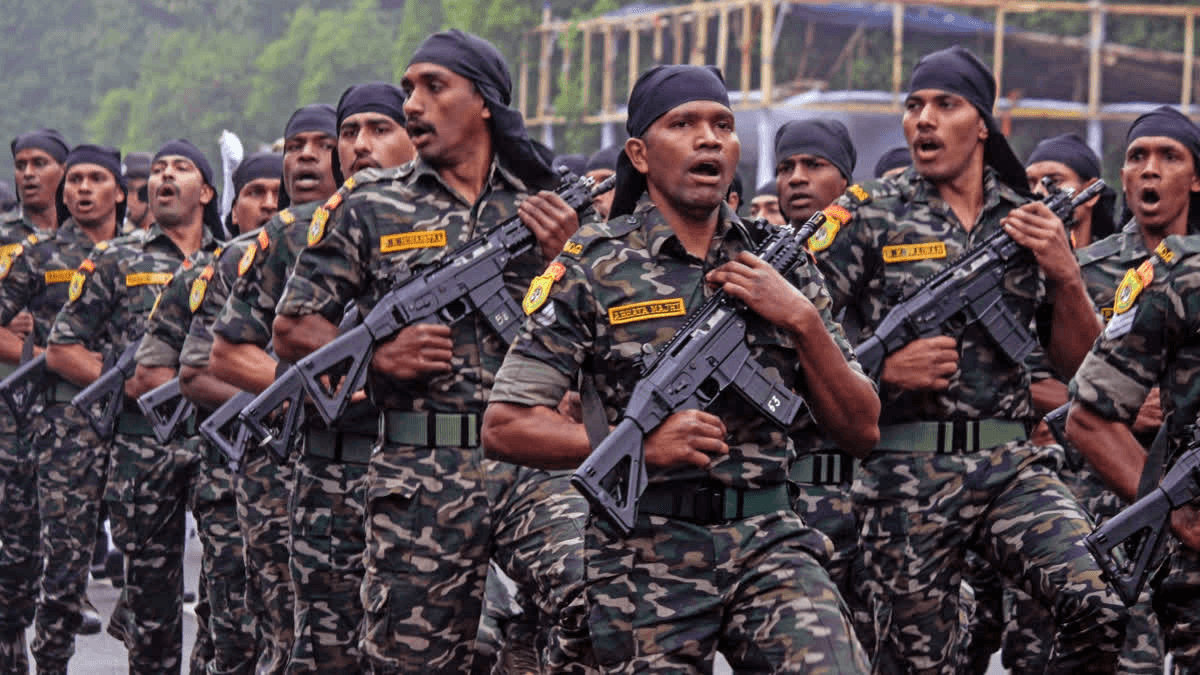
Common Mistakes Veterans Make When Applying to Jobs
Akshai Kumar
May 7, 2025
Overview
Veterans bring valuable skills to the civilian workforce, but certain common mistakes can hinder their job search. This article highlights these pitfalls and provides actionable solutions.
Common Mistakes Veterans Make When Applying to Jobs
Transitioning from military service to the civilian workforce is a significant step, but it comes with its own challenges. While veterans possess leadership, discipline, and problem-solving skills that are highly valued in any industry, they often make a few common mistakes when applying to jobs. Understanding these pitfalls is crucial for a successful career transition.
1. Using Military Jargon
One of the most common mistakes veterans make is including military-specific terms and acronyms in their resumes. Hiring managers without a military background may not understand these terms, which can make your resume difficult to read.
Solution: Translate military experience into civilian language. Instead of “Commanded a platoon,” use “Led and managed a team of 30 personnel in high-pressure environments.”
2. Creating a One-Size-Fits-All Resume
Veterans often rely on a single, generic resume for all job applications. However, this approach can prevent them from highlighting relevant skills for specific roles.
Solution: Customize your resume for each job application. Tailor your experience and skills to match the job description.
3. Focusing Too Much on Duties Instead of Achievements
Listing responsibilities without showing measurable achievements can make a resume look passive. Employers want to see the impact of your work.
Solution: Focus on achievements. Use bullet points to showcase quantifiable results, such as “Reduced operational costs by 15% through optimized logistics management.”
4. Ignoring Networking Opportunities
Veterans may assume that simply applying to jobs online is enough. However, networking is a crucial part of a successful job search in the civilian sector.
Solution: Attend industry events, connect with professionals on LinkedIn, and leverage veteran-focused platforms to build connections. Networking can lead to hidden job opportunities.
5. Being Overly Modest About Skills and Experience
Military culture often emphasizes humility, but in the civilian world, you need to market yourself. Some veterans undersell their skills or avoid mentioning their leadership experience.
Solution: Highlight your strengths confidently. Leadership, problem-solving, crisis management, and teamwork are all highly valued in corporate roles.
6. Not Preparing for Behavioral Interviews
Veterans may not be familiar with the STAR (Situation, Task, Action, Result) method commonly used in behavioral interviews. This can make them struggle to effectively communicate their experience.
Solution: Practice answering behavioral interview questions using the STAR method. For example, describe a challenging situation, your role, the actions you took, and the positive outcome.
7. Applying to Jobs Without Understanding Company Culture
Not all organizations are a good fit for veterans. Applying without understanding the company’s culture can lead to frustration or job dissatisfaction.
Solution: Research the company before applying. Understand their values, work culture, and growth opportunities to ensure it aligns with your expectations.
8. Overlooking Certifications and Skill Development
Veterans often rely solely on their military experience without pursuing certifications or additional skills that can enhance their employability.
Solution: Identify industry-relevant certifications or training programs. For example, veterans interested in project management can pursue PMP certification, while those in IT can explore cybersecurity courses.
Conclusion
Veterans have a wealth of experience and skills that can greatly benefit any organization. However, avoiding these common mistakes can make a significant difference in their job search success. By translating military experience into civilian terms, customizing applications, and confidently showcasing their achievements, veterans can position themselves as top candidates in any industry.